National Dish Sri Lanka: Sri Lankan Yellow Rice (Recipe)
In this article
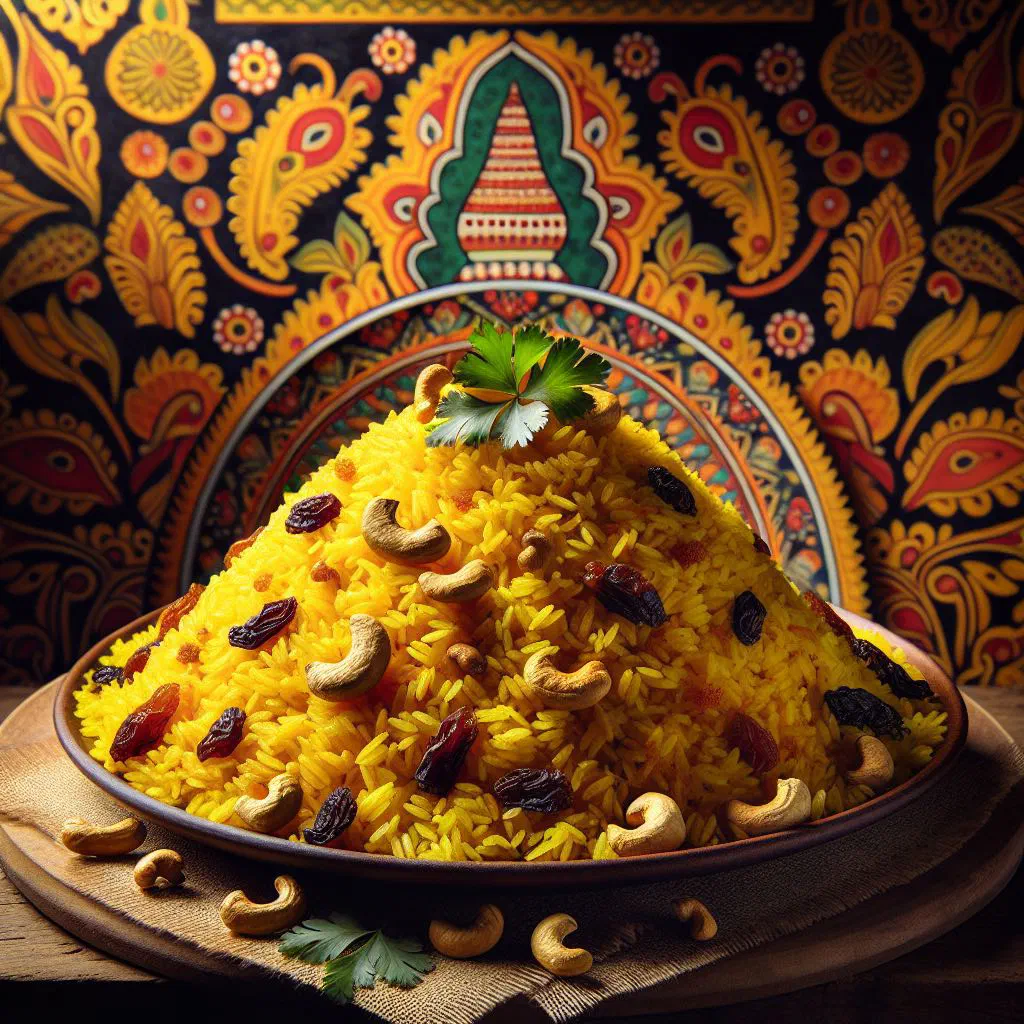
Say hello to Sri Lankan Yellow Rice, a golden, fragrant rice dish that turns any meal into a feast for the senses. Tinted a warm yellow with turmeric and perfumed with cinnamon and cloves, it is comfort food with a festive edge. In Sri Lanka it is a symbol of hospitality, served alongside spicy curries and fresh side dishes. Bring the aromas of the island straight to your own kitchen with this simple, versatile recipe.
About Sri Lankan Yellow Rice
Sri Lankan Yellow Rice is a truly aromatic rice dish and a feast for the senses. The addition of turmeric, cinnamon and whole cloves gives it a distinctive flavour and its signature golden hue. In Sri Lanka it is far more than an everyday staple. It is a symbol of hospitality and cultural richness, often served at celebrations and gatherings. Paired with a spicy curry and fresh accompaniments, it makes every meal a memorable occasion.
Ingredients (serves 1–2)
- 1 cup long-grain rice
- 2 cups water
- 1 teaspoon turmeric
- 1 cinnamon stick
- 2–3 whole cloves
- Salt to taste
- 1 tablespoon oil or butter
Shopping for the ingredients
The ingredients for Sri Lankan Yellow Rice are available in most well-stocked supermarkets. Oriental and Asian grocers often carry the best selection of spices such as turmeric and cinnamon, so they are worth a visit. Choose fresh ingredients wherever you can to draw out the fullest flavour, and consider organic produce to lift the overall quality of your dish.
Preparing the dish
Preparing Sri Lankan Yellow Rice is straightforward and takes only a few steps. First, rinse the rice thoroughly to wash away excess starch. This keeps the grains light and fluffy. Next, get your spices ready by having the cinnamon stick and cloves to hand. Good preparation is the key to unlocking the dish’s full, rounded flavour.
Step-by-step instructions
- Rinse the rice in a sieve under running water until the water runs clear.
- Heat the oil or butter in a pan and briefly fry the cinnamon stick and cloves.
- Add the drained rice and stir well to coat the grains in the spiced fat.
- Pour in the water and turmeric and bring to the boil.
- Give it one stir, cover with a lid and reduce the heat to low, letting the rice simmer for about 15–20 minutes.
- Once cooked, take the rice off the heat and let it rest for a few minutes before serving.
Gluten-free / lactose-free version
Sri Lankan Yellow Rice is naturally gluten-free and lactose-free, as long as you choose the right fat. Use vegetable oil instead of butter to make the dish suitable for anyone with a lactose intolerance. By reaching for fresh spices and rice from gluten-free sources, you can be sure the dish is enjoyable for every guest. Just remember to check that any side dishes meet the same requirements when you serve.
Tips for vegans and vegetarians
Sri Lankan Yellow Rice is a wonderful dish for vegans and vegetarians from the outset. To make it even more varied, add vegetables such as carrots, peas or peppers. These bring colour to the plate and valuable nutrients. Serve it with a selection of plant-based curries, a Dhal Curry or a Mixed Vegetable Curry works beautifully, to make the meal even more satisfying.
More tips and tricks
To make your Sri Lankan Yellow Rice even tastier, try adding a few aromatic herbs. Coriander and parsley are excellent choices that lend the dish a lovely freshness. A squeeze of lemon juice just before serving intensifies the aromas and creates a wonderful flavour experience. Experiment with the spices to find your own personal touch and craft the perfect taste.
Adapting the recipe to your taste
The Sri Lankan Yellow Rice recipe is easy to tailor to different preferences. Fancy it hotter? Simply add a pinch of chilli or any other spices you favour. For a nuttier note, scatter in some toasted nuts or seeds. Adjustments like these make the dish more flavoursome and give it a personal signature that is all your own.
Ingredient substitutions
If you do not have every ingredient for Sri Lankan Yellow Rice to hand, there are plenty of alternatives. In place of long-grain rice, you can use basmati or jasmine rice, the same fragrant grains that shine in a bowl of Ghee Rice. Turmeric can be swapped for saffron to bring a different flavour note, though the colour will not glow quite so intensely. See these substitutions as chances to vary the dish and discover new flavours.
Drink pairing ideas
A delicious plate of Sri Lankan Yellow Rice goes best with refreshing drinks. A cup of cooling Ceylon tea or a mango lassi complements the flavours of the rice perfectly. Sparkling water with a squeeze of lemon, or a simple lemonade, also make great companions. Choose a drink that harmoniously rounds off the spices in the dish.
Serving and presentation ideas
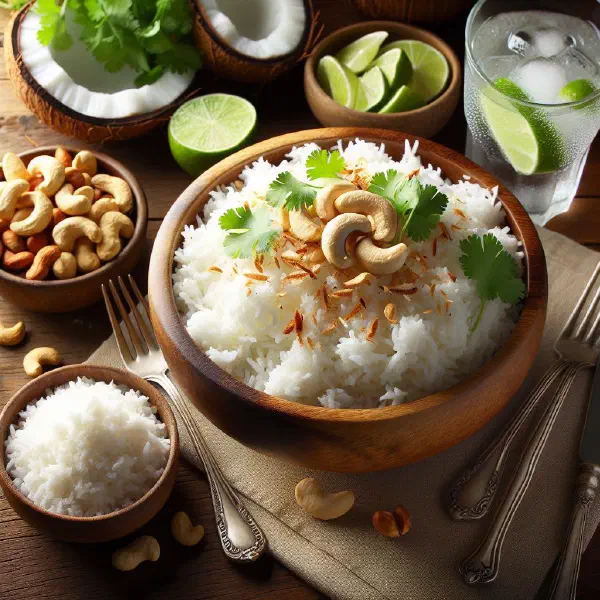
The presentation of Sri Lankan Yellow Rice can greatly enhance the whole dining experience. Serve the rice in a large bowl and garnish it with fresh herbs and colourful vegetables. Use bright plates to emphasise the vivid colours of the dish. A crisp Coconut Sambol on the side adds both colour and contrast.
A bit of history
Sri Lankan Yellow Rice is more than just a dish; it is part of the rich culture and tradition of Sri Lanka. It is frequently served at festivities and special occasions, which underlines its importance. The use of turmeric dates back to ancient times, when it was prized as a healing remedy. Today it is a firm fixture of the island’s culinary heritage, reflecting the variety and flavours of Sri Lankan cuisine.
More recipe ideas
Summary: Sri Lankan Yellow Rice
Sri Lankan Yellow Rice is a delicious and versatile dish that suits any meal to perfection. With its combination of aromatic spices and the ease with which it adapts to different tastes, it is a treat for both the palate and the eyes. Whether as part of a festive spread or an everyday plate, it brings the exotic flavours of Sri Lanka straight to your table. Let your senses be charmed by this dish and experience the culinary richness of Sri Lanka in your own kitchen.