National Dish Sri Lanka: String Hoppers (Recipe)
In this article
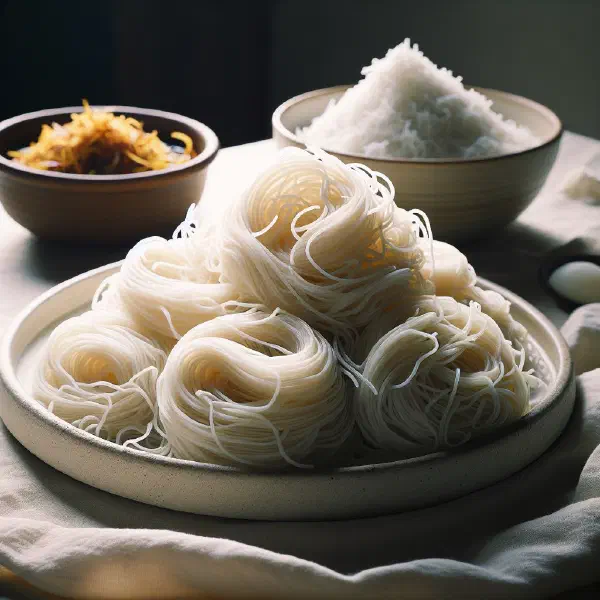
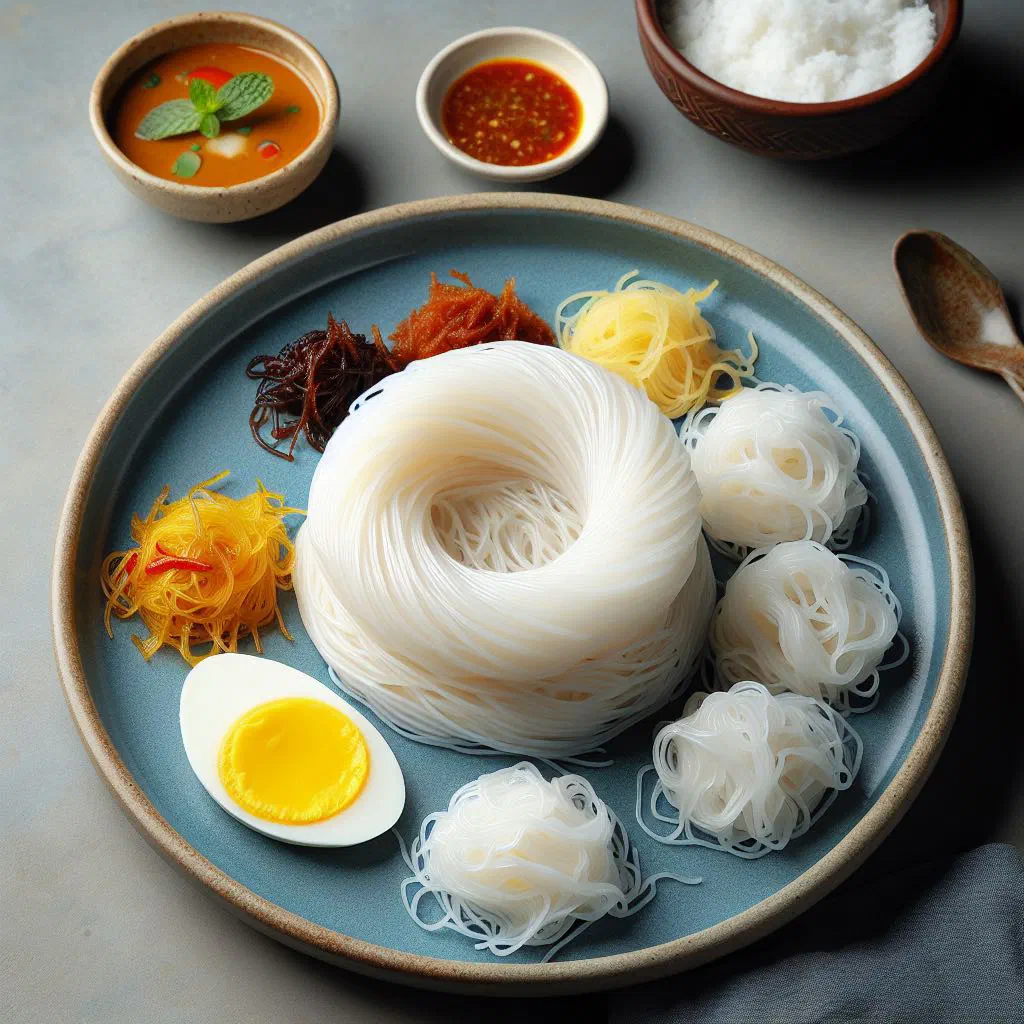
Meet String Hoppers, one of Sri Lanka’s most cherished everyday delicacies. These delicate, lace-like nests are pressed from a simple rice flour dough and gently steamed until wonderfully soft. Naturally light and easy to digest, they are the perfect partner for a fragrant curry or a spoonful of sweet coconut sauce. They bring a genuine taste of the island straight to your table.
About String Hoppers
String Hoppers, also known as Idiyappam, are a special treat within Sri Lankan cuisine. These fine, fan-shaped rice cakes are made from rice flour and water, which makes them a naturally gluten-free option. They are traditionally pressed through a special mould and then steamed, giving them their tender, delicate texture. Frequently served with a variety of curries or sweet sauces, this dish is a firm favourite at any celebratory meal.
Ingredients (serves 1–2)
- 200 g rice flour
- 200 ml water
- 1 pinch of salt
- 1 teaspoon grated coconut (optional)
- Oil, for greasing the steamer trays
Shopping for the ingredients
The ingredients for string hoppers are available in most Asian grocery shops and larger supermarkets. Rice flour is often found in the gluten-free section or among the Asian products. Look for fresh grated coconut to guarantee an authentic flavour. If you have particular preferences or dietary requirements, several of the ingredients can be swapped out easily.
Preparing the dish
Before you begin making string hoppers, have all of your ingredients to hand. Measure out the rice flour and the water, then combine the two in a bowl to form a smooth dough. The dough should be slightly sticky but still workable. If you would like to use grated coconut, add it now and mix everything together well.
Step-by-step instructions
- Lightly grease the steamer basket with oil.
- Fill the dough into a string hopper press or a piping bag and press even circles onto the steamer basket.
- Bring a pan of water to the boil.
- Set the steamer basket over the pan and steam the string hoppers for about 10 minutes.
- Carefully lift out the cooked string hoppers and serve warm.
Gluten-free / lactose-free version
String hoppers are naturally a gluten-free option, since they are made from rice flour. This quality makes them ideal for anyone with a gluten intolerance or coeliac disease. On top of that they are also free from lactose, which makes them a great choice for anyone who is lactose intolerant. You can adapt the dish beautifully to make sure it suits every one of your guests.
Tips for vegans and vegetarians
String hoppers are easily turned into a vegan dish, as you only need plant-based ingredients. The base recipe is already vegan-friendly, since it contains no animal products at all. To add extra flavour, you can mix spices or fresh herbs into the dough. Serve them with a range of vegetable curries or juicy dips for a wholesome, complete meal.
More tips and tricks
Making string hoppers takes a little practice, but with a few tips and tricks you can refine your technique. Be careful not to press the dough too firmly, so the string hoppers do not stick together during steaming. Use fresh, steaming-hot water when working the rice cakes to achieve the consistency you are after. Experiment with different accompaniments to discover new flavour combinations.
Adapting the recipe to your taste
Are you an adventurous eater, or do you have particular preferences? The wonderful thing about string hoppers is their versatility. You can vary the ingredients as you please by adding herbs or spices. Fancy something spicier? Stir in a little chilli powder. If you like a savoury edge, use an aromatic stock instead of water for the dough. A bright Coconut Sambol also makes a lovely finishing touch.
Ingredient substitutions
There are plenty of ways to adjust the recipe for string hoppers if you do not have all of the listed ingredients to hand. Instead of rice flour, you could use wholemeal flour, although this will slightly alter the flavour and texture. For a sweeter result you can add a little sugar to vary the taste combination. Using plant-based milk in place of water can also bring some interesting aromas, much like the coconut milk that enriches a Kiribath.
Drink pairing ideas
Many drinks go wonderfully with a delicious dish like string hoppers. Try a refreshing green tea or a sweet mango lassi to complement the flavours. For an alcohol-free option, a fruit smoothie made with coconut milk and pineapple is ideal. Alcoholic companions such as a light Asian beer or a fruity white wine can round the meal off nicely.
Serving and presentation ideas
Presentation is an important part of any successful meal. Arrange the string hoppers decoratively on a large plate or in a bowl and garnish them with fresh herbs or toasted grated coconut. If you are serving several curries, present these in small dishes alongside. A Dhal Curry or a spoonful of Pol Sambol work especially well here. An attractive presentation whets the appetite and makes a beautiful visual impression at any celebration.
A bit of history
String hoppers have their origins in South Indian and Sri Lankan cooking and are a much-loved breakfast dish. They are part of a long tradition in which rice is a staple food. In many families they are still prepared using time-honoured methods, and the recipes are passed down from one generation to the next. This cultural influence shows in the way they are made and in the delicious accompaniments so often served with them, from a warming Kiri Hodi to a fiery sambol.
More recipe ideas
Summary: String Hoppers
String hoppers are a fascinating and delicious dish from Sri Lankan cuisine that is simple to prepare. With just a handful of ingredients you can create a nourishing, flavoursome meal that pairs beautifully with a variety of curries or sweet sauces. Steaming makes the dish even healthier and gives you a pleasant, easily digestible meal. Give it a go and immerse yourself in the flavours of Sri Lanka.