National Dish Sri Lanka: Watalappan (Recipe)
In this article
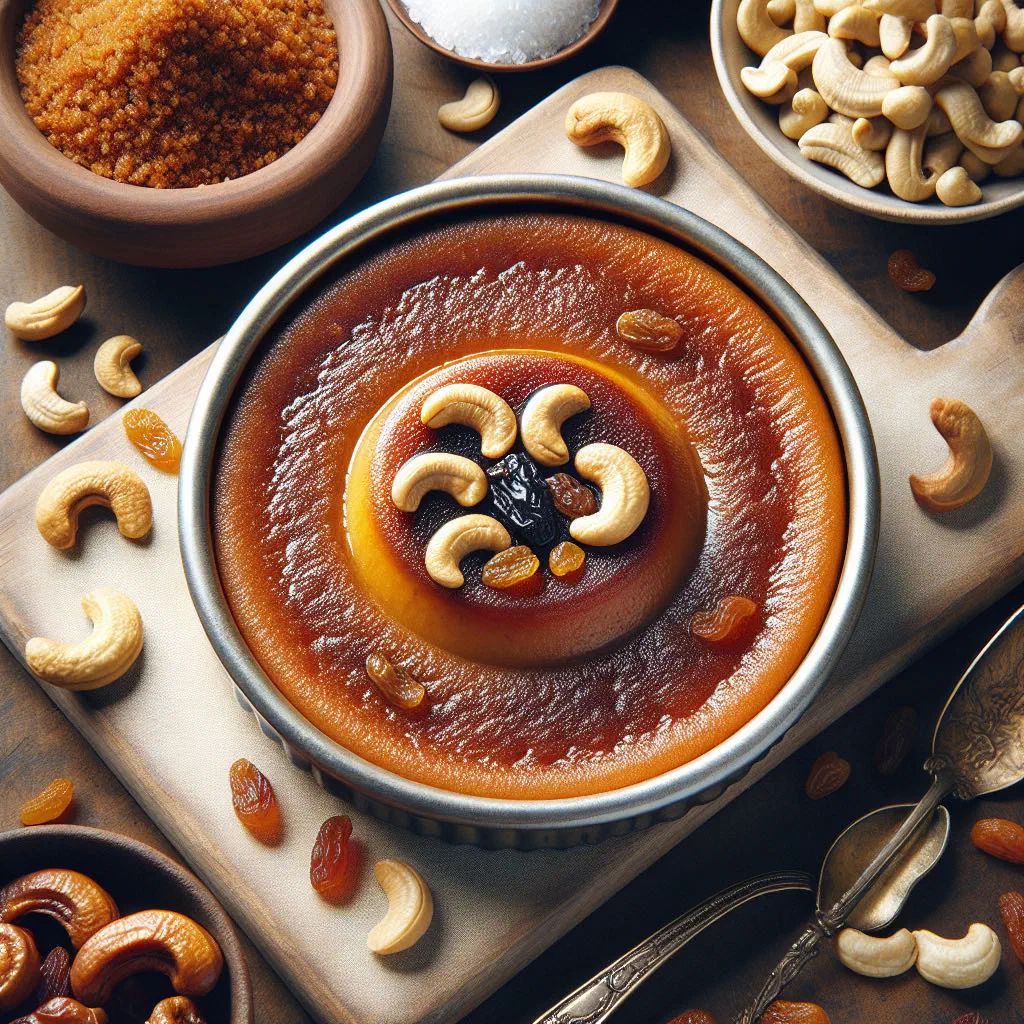
Discover Watalappan, one of Sri Lanka’s most beloved sweets, a silky steamed coconut custard laced with warm spice and a deep, caramel sweetness. Fragrant with nutmeg and cardamom and set until just wobbly, it is the pudding that turns up at weddings, festivals and every occasion worth celebrating. Rich yet delicate, it brings a taste of the island’s festive table straight into your own kitchen.
About Watalappan
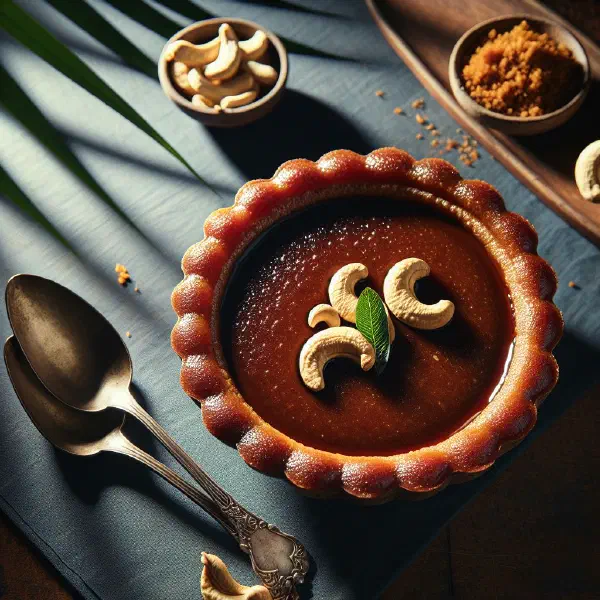
Watalappan has its roots in Sri Lankan cuisine and ranks among the country’s best-loved desserts. It is a creamy coconut pudding, typically perfumed with a blend of nutmeg and cardamom, and it is especially prized at festivities and special occasions, for its flavour and for the way it looks. Traditionally the custard is steamed in a banana-leaf bowl, which lends the dish an extra note of authenticity and a gentle, earthy aroma.
Ingredients (serves 1–2)
- 200 ml coconut milk
- 100 g brown sugar (or jaggery)
- 2 eggs
- 1 tsp nutmeg, freshly grated
- 1 tsp cardamom, ground
- A pinch of salt
- Optional: chopped nuts, for the topping
Shopping for the ingredients
The ingredients for Watalappan are available in most well-stocked supermarkets or Asian grocery shops. When buying coconut milk, choose a good-quality tin to get the best flavour and a properly rich texture. Brown sugar, or traditional jaggery, gives the dessert a deeper colour and a more intense caramel note. If you plan to use nuts, pick freshly chopped ones for the best flavour and the texture you are after.
Preparing the dish
Before you begin, gather and measure out all your ingredients. The coconut milk should be at room temperature so it blends more easily with everything else. Whisk the eggs in a separate bowl before adding them to the rest of the mixture, which helps you avoid any lumps. It is also worth weighing out the spices in advance to guarantee the perfect balance of aromas in the finished pudding.
Step-by-step instructions
- Warm the coconut milk gently in a pan.
- Add the brown sugar and stir well until it has completely dissolved.
- Pour in the whisked eggs slowly, mixing them thoroughly into the warm liquid.
- Add the nutmeg, cardamom and a pinch of salt, then stir once more to combine.
- Pour the mixture into a heatproof bowl and steam over a water bath for about 30–40 minutes.
- Once cooled, chill the dessert in the fridge for at least 2 hours before serving.
Gluten-free / lactose-free version
Watalappan is naturally gluten-free, as it contains no wheat products at all. Because it is made with coconut milk rather than cow’s milk, it is also a lactose-free option, which makes it an excellent choice for anyone with special dietary needs. Do, however, check every other ingredient for possible allergens, particularly if you decide to add nuts to the topping.
Tips for vegans and vegetarians
For a vegan version of Watalappan, the eggs can be replaced with plant-based alternatives such as mashed banana or apple purée. A set, custard-like consistency can also be achieved with the help of plant-based starch or chia seeds. The result is an equally delicious dessert that respects the principles of a vegan diet. Just make sure that ingredients such as the sugar and spices are vegan too, so the flavour experience stays intact.
More tips and tricks
To deepen the flavours of Watalappan, feel free to experiment with different spices, a hint of cinnamon or ginger can add intriguing new notes. It also helps to cover the bowl well while steaming, so the moisture stays inside and the pudding turns out lovely and moist. Giving it up to a full day to rest in the fridge will reward you with an even better, more rounded flavour.
Adapting the recipe to your taste
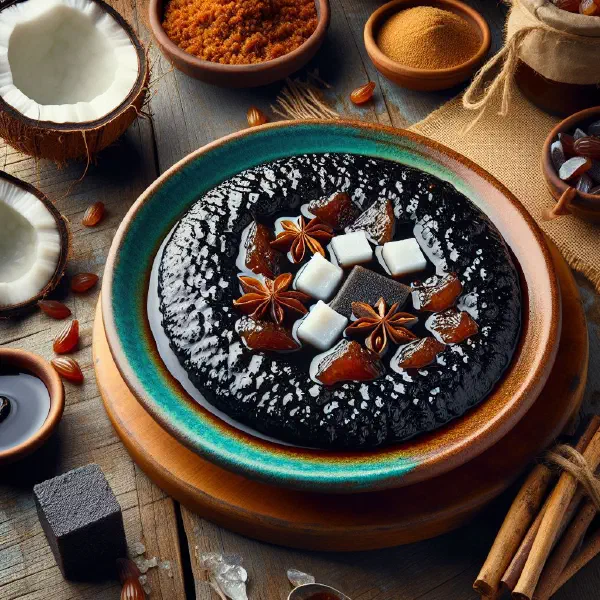
Watalappan is a wonderfully flexible dessert that adapts easily to personal preference. You can play with the sweetness by using more or less sugar, or fold in alternative sweeteners such as maple syrup. You might also vary the amount of each spice to change the intensity to suit your palate. Make the recipe your own by scattering in extra pieces of fruit or nuts, much like the coconut-rich Kalu Dodol.
Ingredient substitutions
If you do not care for coconut milk, or cannot find it, you can use other plant-based milk alternatives instead. Almond or soya milk will work, though the flavour will differ noticeably. When it comes to the sugar, alternatives such as coconut sugar can be used for a slightly more wholesome result. Try different combinations to create your own perfect Watalappan, the same spirit of coconut sweetness found in Milk Toffee.
Drink pairing ideas
A fruity lassi or an aromatic chai pairs beautifully with Watalappan and complements the dessert’s exotic aromas, a chilled Mango Lassi is an especially good match. These drinks offer a refreshing counterpoint and bring the flavours out even more. Alternatively, a light tea helps to balance the sweetness of the pudding. The key is to keep the drink gentle enough that it never overpowers the taste of the Watalappan.
Serving and presentation ideas
Presentation is an important part of enjoying Watalappan. Serve the dessert in decorative bowls or small glasses that show off its creamy texture to full effect. It looks especially inviting when finished with freshly chopped nuts or a sprig of mint. You can even use little glass lids to add a special touch and give the dessert a properly festive appearance.
A bit of history
Watalappan is deeply rooted in the cultural heritage of Sri Lanka and is a much-loved dish, often served at weddings and festivals. The story of the dessert reaches far back and reflects the rich, varied ingredients that the people of Sri Lanka have traditionally worked with. It originated among the island’s Sri Lankan Muslim community and has, over the years, become a symbol of the country’s hospitable, celebratory spirit. Every family recipe carries its own unique touch, telling the individual story of the cook, a warmth shared right across Sri Lankan cuisine.
More recipe ideas
Summary: Watalappan
Watalappan wins hearts with its simple preparation and the exotic aromas that make it such a singular dessert. With its combination of coconut milk, sweet sugar and fragrant spices, it is the perfect highlight for any celebration. This pudding is bound to leave a lasting impression on every guest. Do not be afraid to get creative and craft your own version of this delicious Sri Lankan treat.