National Dish St Kitts and Nevis: Cassava Pone (Recipe)
In this article
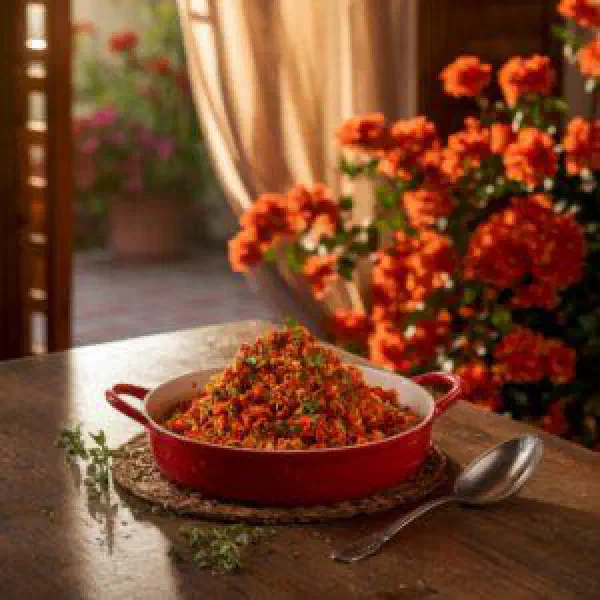
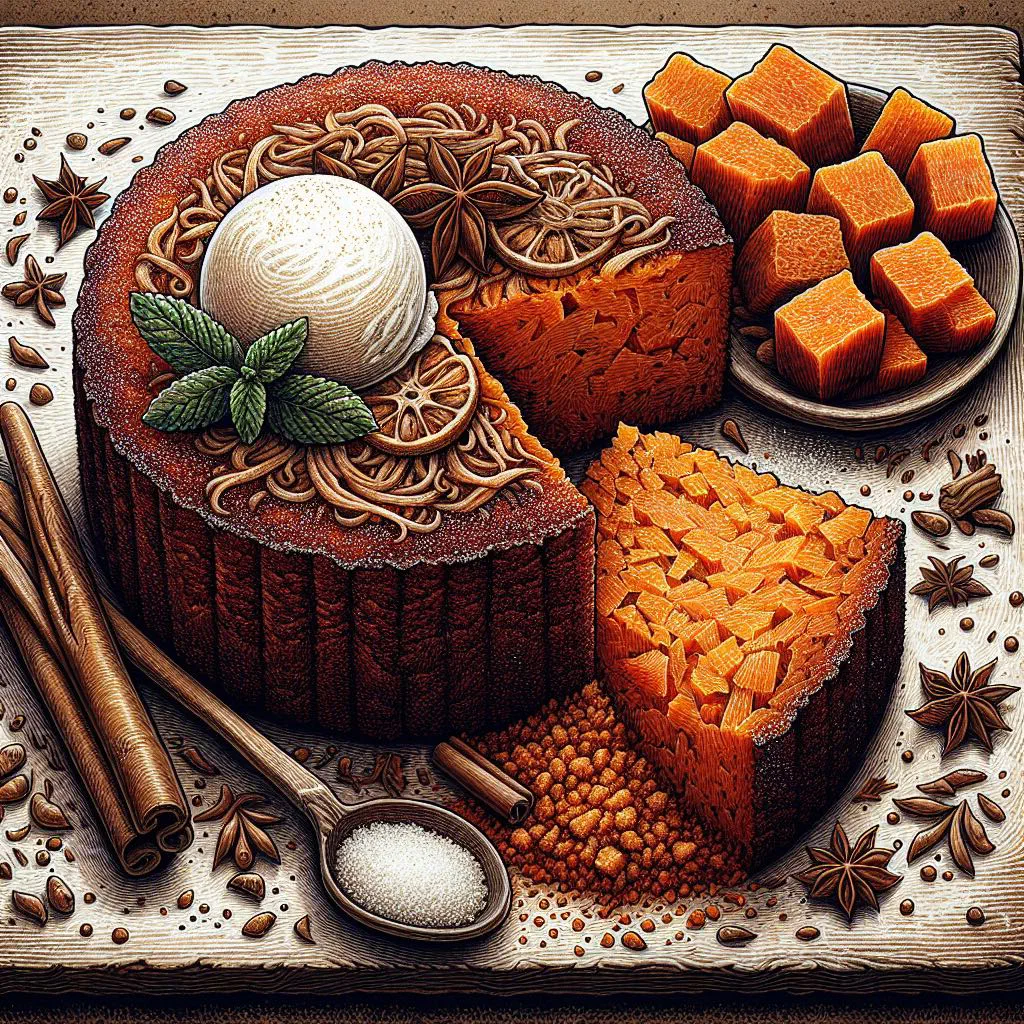
Discover Cassava Pone, the sweet, spiced bake that Caribbean kitchens have treasured for generations. Grated cassava, fresh coconut and a warm dusting of cinnamon and nutmeg come together into a dense, chewy dessert with a beautifully golden crust. It is the kind of treat that turns up at christenings, Christmas tables and Sunday gatherings across St Kitts and Nevis, and it is far easier to make at home than its rich flavour suggests.
About Cassava Pone
Cassava Pone is a traditional dessert from the Caribbean islands of St Kitts and Nevis that has won over countless hearts. This delicious treat combines the distinctive texture of cassava (also known as manioc) with a harmonious blend of coconut, spices and sugar. Cassava does not simply give the dish its characteristic consistency; it is also an important source of carbohydrates. Pone is traditionally baked for festive occasions, which underlines the special place it holds in Caribbean cooking.
Ingredients (serves 1–2)
- 250 g fresh cassava
- 100 g grated coconut
- 100 g sugar (adjust to taste)
- 1 teaspoon cinnamon
- 1 teaspoon nutmeg
- A pinch of salt
- 1 teaspoon vanilla extract
- 200 ml coconut milk
Shopping for the ingredients
When shopping for cassava pone you will want to track down fresh cassava, which is often stocked by Caribbean grocers and international supermarkets. Check that the roots are firm and free of dark patches or soft, bruised spots. Grated coconut can be bought fresh or dried, though fresh coconut gives a noticeably more intense flavour. Everything else on the list is generally easy to find and available in most ordinary supermarkets.
Preparing the dish
Before you start on the pone, it is important to prepare the cassava properly. Peel the roots, cut them into small pieces and wash them thoroughly so that any grit or residue is removed. It also pays to have the remaining ingredients measured out and standing ready, so that the mixing and baking run smoothly from start to finish without any last-minute scrambling.
Step-by-step instructions
- Purée the prepared cassava in a blender or food processor until you have a smooth mass.
- Add the grated coconut, sugar, cinnamon, nutmeg, salt, vanilla extract and coconut milk to the cassava.
- Mix everything well until the batter is completely uniform.
- Pour the mixture into a greased baking tin and spread it out evenly.
- Bake in a preheated oven at 180 °C for around 45–60 minutes, until the surface is golden brown.
- Leave to cool before serving, then cut into squares.
Gluten-free / lactose-free version
One of the great advantages of cassava pone is that it is naturally gluten-free and lactose-free. Cassava is an excellent alternative for anyone with a gluten intolerance, while coconut milk provides a completely dairy-free base. That makes this dessert ideal for a wide range of dietary needs. Do check the spices and sugar as well, just to be sure they contain no hidden gluten or lactose-based additives.
Tips for vegans and vegetarians
Cassava pone is already a vegan option, since every ingredient is plant-based, and it suits a vegetarian diet just as well. There is no need to substitute anything at all. To vary the sweetness, vegans can reach for maple syrup or agave nectar in place of the sugar, which brings its own gentle depth of flavour, the same trick that works nicely in Coconut Candy.
More tips and tricks
To get the very best from your pone, adjust the baking time to suit your own oven and check regularly that the top is turning golden brown rather than dark. Experimenting with different spices can open up new flavours too: a pinch of ginger or cardamom gives the pone an intriguing edge. Keep an eye on the consistency of the batter as well. It should be thick and scoopable, never runny.
Adapting the recipe to your taste
Cassava pone is easy to tailor to personal preference. Add dried fruit such as raisins or dried mango for a fruitier note, or scatter in nuts like almonds or cashews for extra crunch. You can also divide the mixture into several small portions before baking and try a different combination in each one. That way every serving turns out a little different, which makes it perfect for sharing at a party.
Ingredient substitutions
If you do not have every ingredient to hand, several substitutions work well in cassava pone. Desiccated coconut flakes stand in perfectly for freshly grated coconut. For a deeper, more caramel-like sweetness, use brown sugar or coconut sugar. And if coconut milk is unavailable, almond or soya milk will give a similar consistency. Adjust the quantities slightly as you go to get the balance of flavour just right.
Drink pairing ideas
Several drinks complement cassava pone beautifully. A refreshing hibiscus tea, served warm or chilled, matches the sweet, spiced notes wonderfully, and a homemade Sorrel Drink does much the same job. Caribbean cocktails such as piña colada or a mango daiquiri add a tropical lift. For an alcohol-free pairing, fresh pineapple or mango juice rounds off the experience nicely.
Serving and presentation ideas
Presentation can make all the difference in turning cassava pone into a real showpiece. Serve it on an attractive plate and garnish with fresh fruit such as mango or pineapple. A drizzle of coconut cream or a light dusting of cinnamon over the top creates a lovely visual effect. Make sure the pieces are cut evenly so that the platter looks inviting, the result should feel both relaxed and quietly classic.
A bit of history
Cassava originated among the indigenous cultures of Latin America, and its use spread across the Caribbean over the centuries. Here, turning cassava into much-loved dishes such as pone became part of the culinary tradition, alongside savoury staples like Cassava Dumplings. Cassava pone itself is a fine example of how local ingredients and aromas are combined to create something unique and delicious. This dessert carries real cultural as well as culinary value in St Kitts and Nevis cuisine.
More recipe ideas
Summary: Cassava Pone
In short, cassava pone is a fascinating and thoroughly delicious dessert that brings the flavours of the Caribbean straight to the table. With its sweet marriage of cassava and coconut, it makes a perfect snack or a fitting end to any celebration. The simple recipe leaves plenty of room for adaptation and variation, so there is something here for every palate. Give this warming bake a try and let Caribbean cooking work its magic on you.