National Dish St Kitts and Nevis: Sugar Cake (Recipe)
In this article
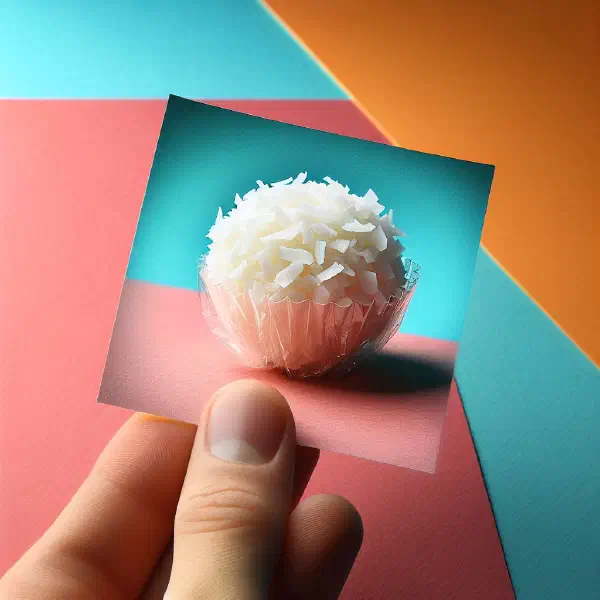
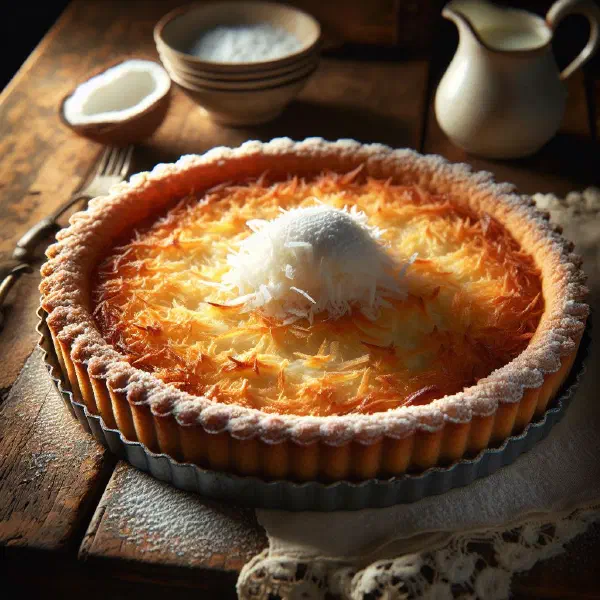
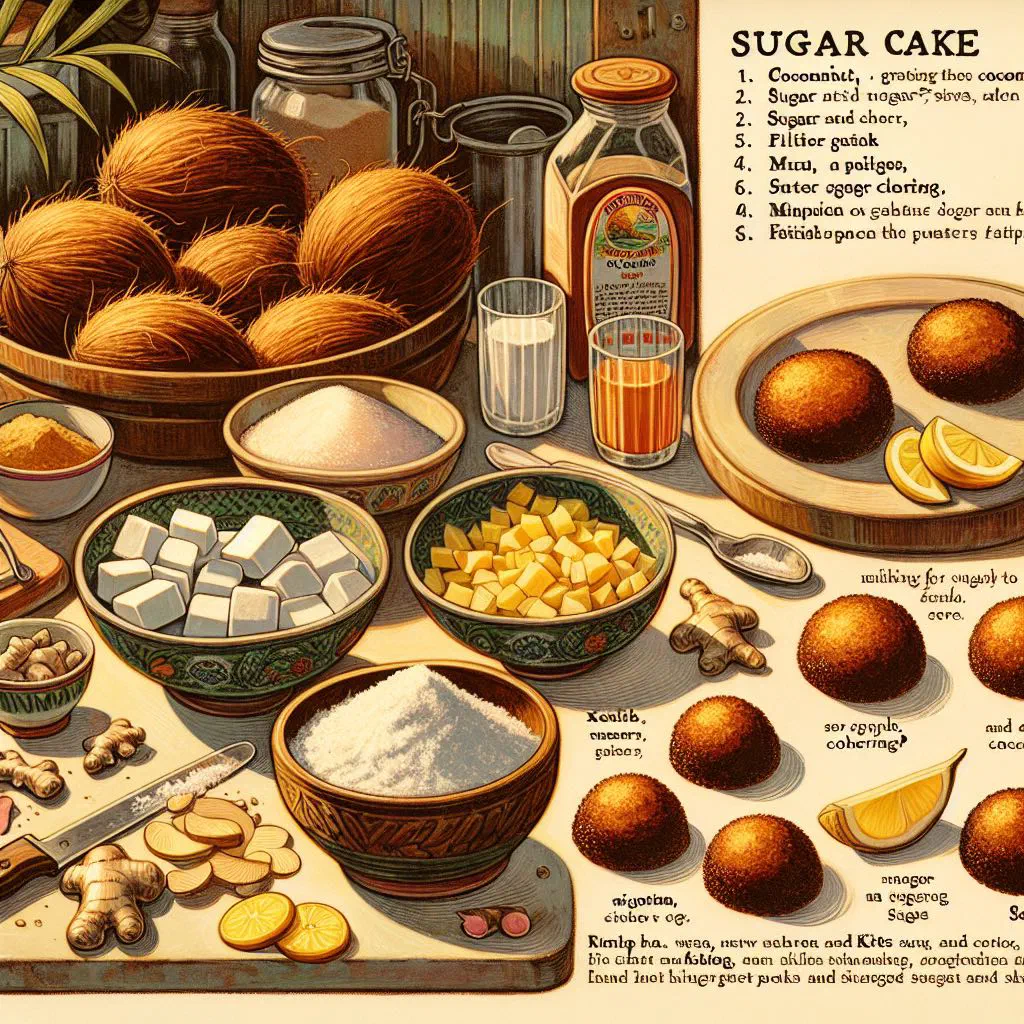
Meet Sugar Cake, the sweet little coconut confection that islanders from St Kitts and Nevis have been making for generations. Just a handful of storecupboard ingredients, fresh coconut, sugar and a splash of vanilla, turn into chewy, fragrant squares with a gently crisp edge. It is the kind of treat that appears at church fairs, family gatherings and roadside stalls alike, and it brings a proper taste of the tropics into your own kitchen with very little fuss.
About Sugar Cake
Sugar Cake is a traditional national dish of St Kitts and Nevis, defined by its very good pairing of coconut and sugar. The straightforward method and the very short ingredient list make it an ideal choice for anyone drawn to Caribbean cooking. This little sweet offers a distinctive flavour and a tender yet slightly crunchy texture that makes it an absolute pleasure. Sugar Cake brings a piece of the tropics straight to your table.
Ingredients (serves 1–2)
- 1 cup freshly grated coconut
- 1 cup sugar
- 1/4 cup water
- 1/2 teaspoon vanilla extract
- A pinch of salt
Shopping for the ingredients
The ingredients for Sugar Cake are easy to find in most supermarkets. Freshly grated coconut matters most, as it is what gives the sweet its authentic flavour. Frozen grated coconut is a perfectly good fallback if fresh is not available. Sugar is the main ingredient and supplies all the sweetness, while vanilla extract rounds out the aroma with a warm, mellow note.
Preparing the dish
Before you start making Sugar Cake, make sure everything is laid out and ready. Grate the coconut freshly unless you are working with a frozen pack, and measure out the sugar and the water in advance so the cooking runs smoothly. The method is uncomplicated and calls for no special skills, so even complete beginners can expect a satisfying result first time round.
Step-by-step instructions
- Put the sugar and water into a saucepan and heat over a medium flame until the sugar has completely dissolved.
- Add the freshly grated coconut, the vanilla extract and a pinch of salt, then stir well.
- Let the mixture continue to bubble over medium heat until it thickens and begins to pull away from the sides of the pan.
- Pour the mixture into a shallow tin and leave it to cool before cutting it into pieces.
Gluten-free / lactose-free version
One great advantage of Sugar Cake is that it is naturally gluten-free and lactose-free. The main components are freshly grated coconut and sugar, which makes this sweet an excellent option for anyone with dietary restrictions. It is a welcome choice for those who must, or simply prefer to, avoid such ingredients. Enjoy this Caribbean treat without any worries about allergens.
Tips for vegans and vegetarians
For vegans and vegetarians, Sugar Cake is a wonderful indulgence, since every ingredient is plant-based. Just take care that no animal products such as milk or eggs sneak in during preparation. Vanilla extract is vegan too, as long as it contains no animal-derived additives. That means every sweet-toothed guest can tuck in with a clear conscience.
More tips and tricks
To deepen the flavour of Sugar Cake, try folding in toasted nuts or dried fruit. This adds an extra bit of crunch and enriches the taste at the same time. Keep a close eye on the temperature while cooking, as too high a heat will scorch the sugar and turn the sweet bitter. Experiment with different aromatics such as cinnamon or cardamom to give it a personal signature.
Adapting the recipe to your taste
Everyone has their own preferences, and Sugar Cake is very accommodating. If you like things less sweet, simply reduce the amount of sugar without harming the texture. You can also try different forms of coconut, such as dried coconut chips, to shift the flavour in a new direction. Be creative and rework the recipe until it matches your own taste exactly, the same spirit of improvisation that shapes a good Cassava Pone.
Ingredient substitutions
If you cannot get hold of fresh coconut, desiccated coconut works well in its place. Choose an unsweetened variety so it balances the sweetness of the sugar rather than adding to it. Instead of ordinary sugar you might use muscovado or coconut blossom sugar for a slightly less refined alternative. Adjustments like these keep the recipe flexible without losing what makes Sugar Cake what it is.
Drink pairing ideas
Plenty of drinks suit Sugar Cake and complement its sweetness. A refreshing coconut water cooler is ideal for underlining the tropical character. A tall glass of homemade limeade or a fruity Caribbean cocktail would also make a fine companion, as would a chilled Sorrel Drink. These combinations create a harmonious tasting experience that heightens the island atmosphere still further.
Serving and presentation ideas
The presentation of Sugar Cake can be lifted with a little imagination. Arrange the pieces on a colourful platter and garnish them with fresh mint leaves or slices of fruit. This not only looks appealing but adds a burst of freshness as well. A few drops of coconut milk, or a decorative drizzle of chocolate sauce, can make the plate especially striking.
A bit of history
Sugar Cake has a long history within Caribbean culture. It was traditionally prepared for festive occasions and reflects the local abundance of coconut and sugar cane. Those ingredients are popular not only in St Kitts and Nevis but throughout many neighbouring islands, showing up in everything from Guava Cheese to countless other confections. Thanks to its many variations and its long lineage, Sugar Cake is a genuine part of the heritage of St Kitts and Nevis cuisine.
More recipe ideas
Summary: Sugar Cake
In short, Sugar Cake is far more than a pleasant recipe; it represents a deep cultural link to the Caribbean. With its simple ingredients and its uncomplicated method, it makes a perfect snack or a lovely dessert. The scope for variation and adaptation makes it a flexible sweet that can be tuned to suit almost any palate. Give it a go and bring the flavour of St Kitts and Nevis straight into your own kitchen.