National Dish St. Lucia: Cassava Cakes (Recipe)
In this article
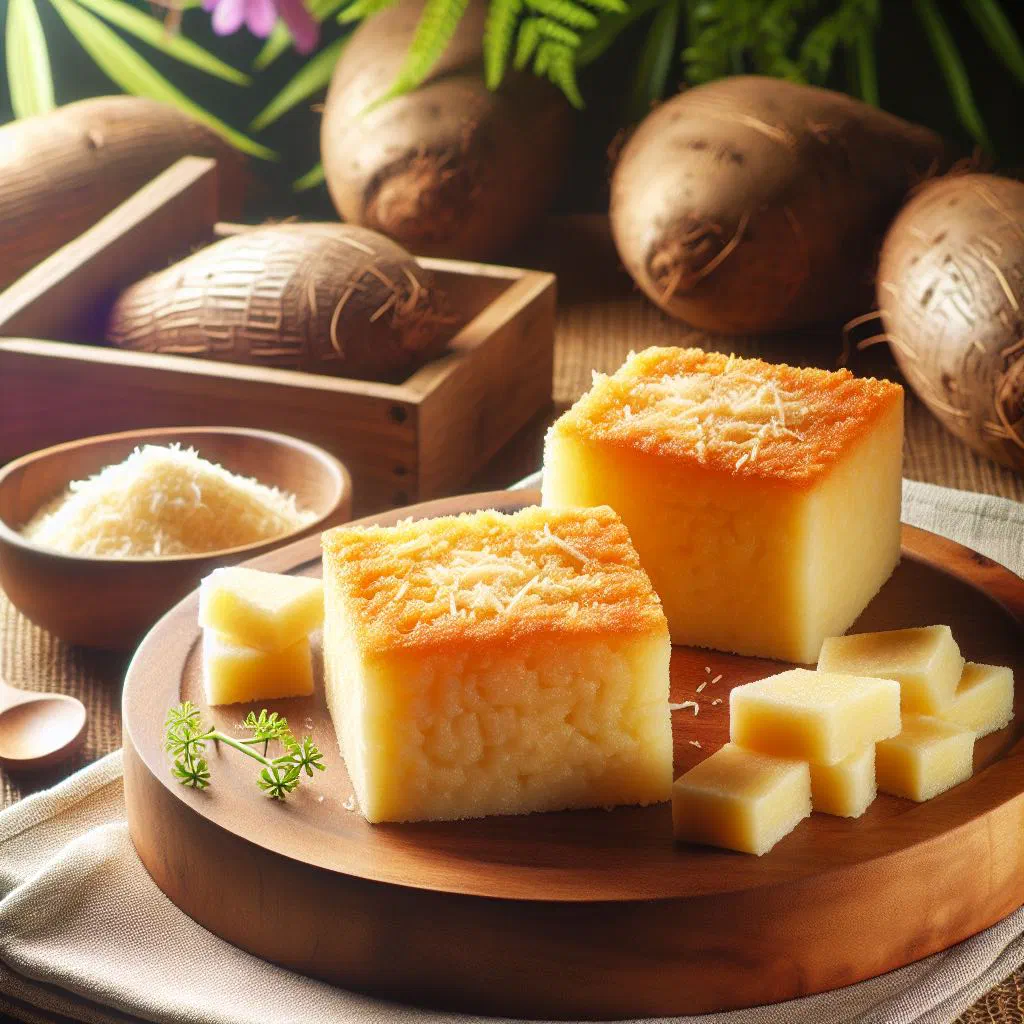
Meet Cassava Cakes, one of St. Lucia’s most cherished sweet bakes and a little parcel of Caribbean sunshine. Grated cassava, fragrant coconut and warm spices come together in small golden cakes that are naturally gluten-free and entirely plant-based. They are simple enough for a weekday afternoon yet special enough for guests, and they carry the unmistakable tropical warmth of the island in every bite.
About Cassava Cakes
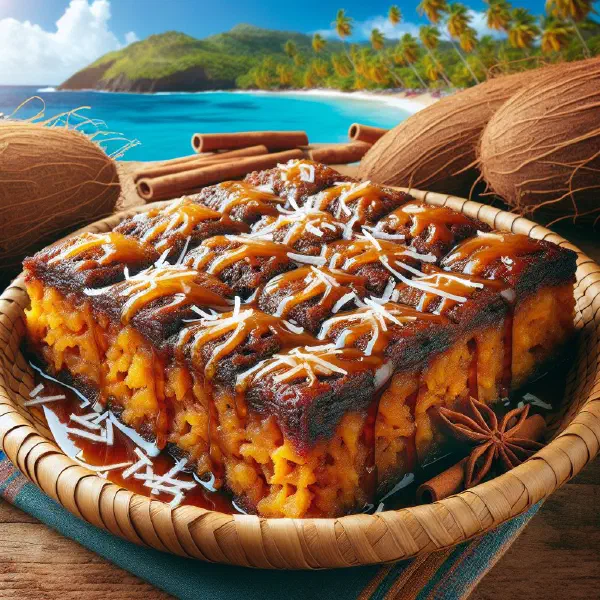
Cassava Cakes are a much-loved national dish of St. Lucia, capturing the tropical warmth and distinctive flavour of the Caribbean. This naturally gluten-free recipe is built on grated cassava, also known as manioc, and is enriched with coconut and fresh spices. The little cakes work equally well as a snack or as a dessert, and they are enormously popular with islanders and visitors alike. Cassava Cakes are therefore a culinary speciality and an expression of St. Lucian culture.
Ingredients (serves 1–2)
- 2 cups grated cassava
- 1 cup desiccated coconut
- 1/2 cup sugar
- 1 teaspoon vanilla extract
- 1 teaspoon baking powder
- A pinch of salt
- Water, as needed
Shopping for the ingredients
To make Cassava Cakes well, it is worth sourcing the right ingredients. Grated cassava, available frozen or fresh in many international supermarkets and Asian or Caribbean grocers, is the backbone of the recipe. Desiccated coconut can be used either fresh or dried, depending on what you can find. Choose good-quality produce wherever possible so that the authentic Caribbean flavour comes through clearly, the same principle that makes a simple Coconut Bake taste so good.
Preparing the dish
Preparing Cassava Cakes is refreshingly straightforward and calls for no special skills at the stove. Begin by rinsing the grated cassava thoroughly to wash away excess starch. This one step gives the cakes a pleasant texture and helps keep them naturally gluten-free. Have all the other ingredients weighed out and ready before you begin, and the whole process becomes far easier and more relaxed.
Step-by-step instructions
- Preheat the oven to 180 °C.
- In a large bowl, combine the grated cassava, desiccated coconut, sugar, vanilla extract, baking powder and salt, mixing thoroughly.
- Add just enough water, if needed, to bring the mixture to a soft, dough-like consistency.
- Grease a baking tin and spoon the mixture in, levelling the surface.
- Bake the cassava cakes for around 30 minutes, until golden brown.
- Leave to cool before slicing and serving.
Gluten-free / lactose-free version
Cassava Cakes are naturally gluten-free, since they contain no wheat products at all. That makes them an ideal choice for anyone with a gluten intolerance. They also suit lactose-free diets, as no dairy is required at any stage. Almost everyone can therefore enjoy this delicious bake, whatever their dietary requirements happen to be.
Tips for vegans and vegetarians
If you eat vegan, Cassava Cakes are a wonderful option, because the recipe contains no animal products whatsoever. Simply check that ingredients such as the sugar have not been refined using animal-derived processing aids. You can also adjust the quantity of sugar to suit your own palate. Vegan baking can be tricky, but this recipe offers a genuinely tasty solution for anyone avoiding animal produce.
More tips and tricks
For the best results, take care to rinse the cassava well before use. This helps to reduce any faint bitterness that can sometimes be present. Herbs and additional spices can be added freely to vary the character of the cakes. Consider a little cinnamon or nutmeg to deepen the aroma and create an appealing layer of flavour, a trick that also works beautifully in Cassava Pone.
Adapting the recipe to your taste
The flexibility of Cassava Cakes makes it easy to adjust the recipe to your personal preferences. Feel free to fold in extras such as chocolate chips or dried fruit to broaden the flavour profile. Experimenting with different sweeteners, honey or agave syrup, for instance, can also yield interesting results. In this way you create your own version of a traditional dish and make it something entirely your own.
Ingredient substitutions
If you dislike desiccated coconut or react badly to it, it can be replaced with ground almonds or oats. For a less sweet result, simply reduce the sugar or reach for an alternative sweetener. The recipe adapts readily, letting you soften the texture and tune the flavour to different tastes. Every attempt can bring a fresh and interesting variation on Cassava Cakes.
Drink pairing ideas
Refreshing drinks are a natural match for Cassava Cakes. A classic Caribbean rum punch or a fresh fruit juice of pineapple and mango both work splendidly. For an alcohol-free option, serve lightly spiced Coconut Water, which underlines the tropical notes of the cakes. Drinks like these round off the experience and transport you straight to the Caribbean.
Serving and presentation ideas
To present your Cassava Cakes attractively, arrange them on a handsome plate and garnish with fresh fruit. A sprig of mint or a squeeze of lime juice adds a bright splash of colour. These details not only look inviting but bring extra aroma to the table as well. Do not forget to choose a serving style that suits the occasion. It is the finishing touch that impresses guests.
A bit of history
Cassava Cakes look back on a long history in Caribbean cooking and form an important part of St. Lucia’s culinary tradition. They are a fine example of how local ingredients and cultural influences meet in a single dish. Cassava has been a staple on the island for generations, as it grows easily and provides a dependable source of food. This bake is therefore not merely tasty but also a genuine piece of St. Lucia’s cultural identity, sitting comfortably alongside the rest of St. Lucian cuisine.
More recipe ideas
Summary: Cassava Cakes
Cassava Cakes are a simple, delicious bake that brings the flavours of the Caribbean into your own home. With their mixture of grated cassava, coconut and warm spices they offer a genuinely distinctive taste, and they suit a great many dietary needs besides. This recipe is an excellent way to introduce something exotic to your everyday cooking. Let it inspire you, and enjoy a little piece of St. Lucia.