National Dish St Lucia: Cassava Dumplings (Recipe)
In this article
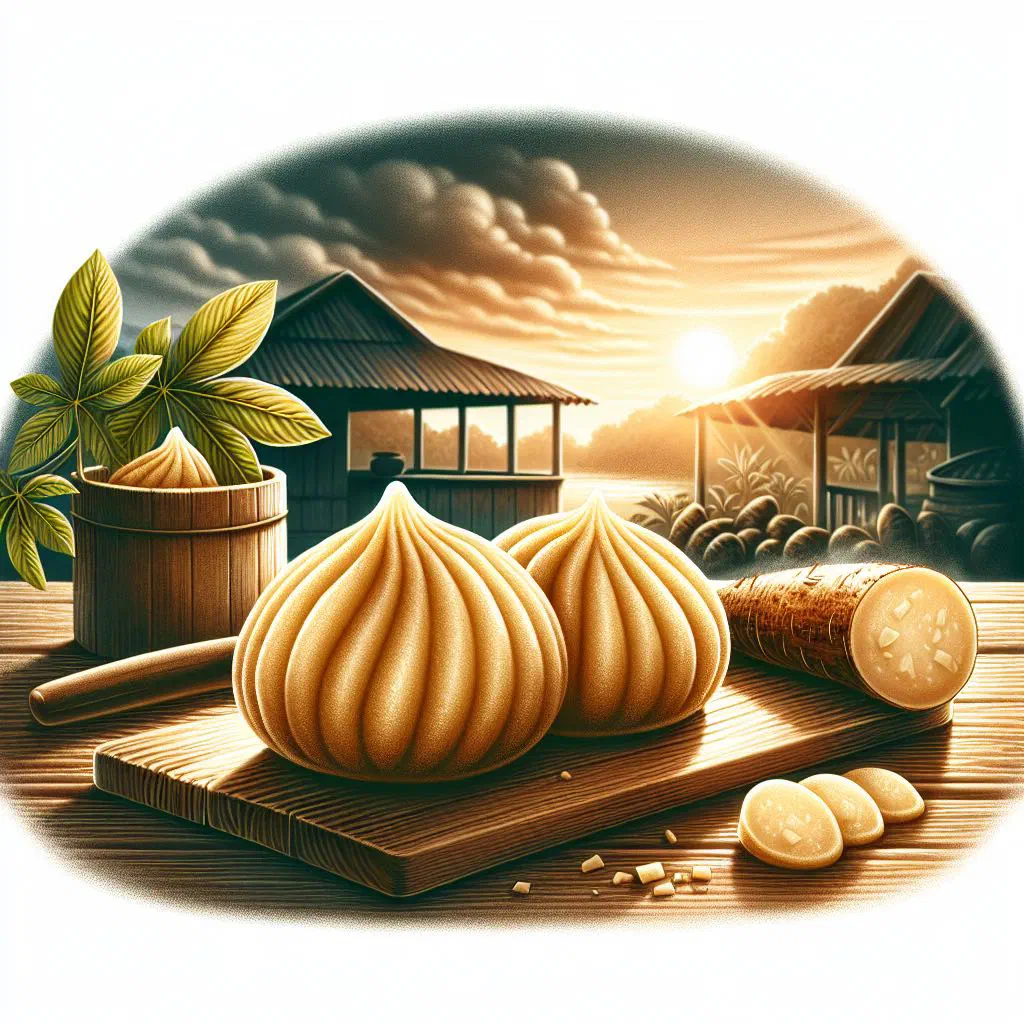
Discover Cassava Dumplings, a much-loved bite from St Lucia. Made from the humble starchy cassava root, these little dumplings turn wonderfully crisp on the outside while staying soft and savoury within. They are quick to put together, need barely a handful of ingredients, and bring a genuine taste of the Caribbean to your kitchen. Perfect as a snack, a side dish or something to hand round with drinks.
About Cassava Dumplings
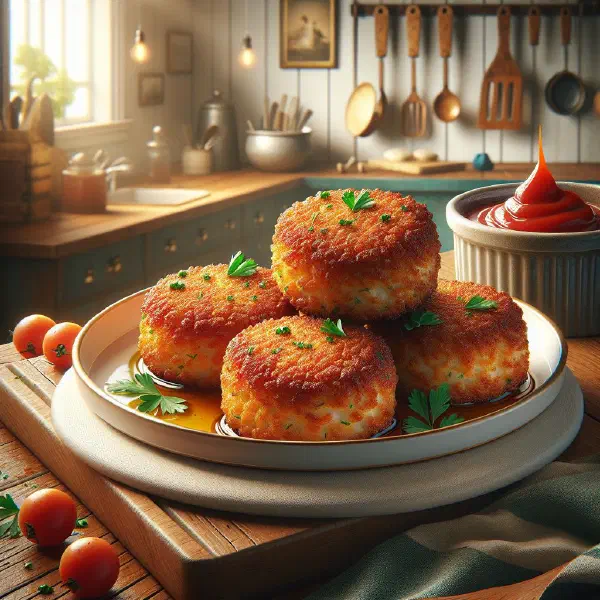
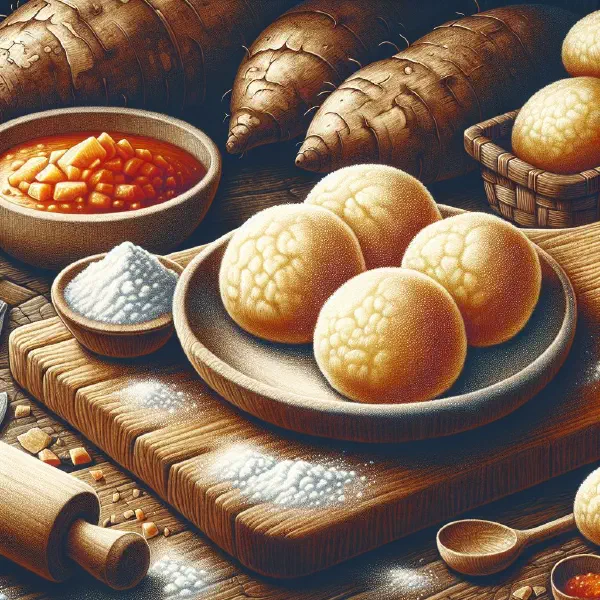
Cassava Dumplings are a traditional St Lucian dish built around the starchy cassava root. What sets these savoury dumplings apart is the contrast between their crisp golden crust and the soft, well-seasoned centre. They are as simple to make as they are satisfying, and they carry the warmth of the islands with them. Cassava is remarkably versatile, which is exactly why it turns up in so many local dishes, from these dumplings to a sweet, spiced Cassava Pone.
Ingredients (serves 1–2)
- 500 g cassava (fresh or frozen)
- 1 teaspoon salt
- Water, as needed
- Vegetable oil, for frying
- Herbs and spices of your choice (thyme, paprika)
Shopping for the ingredients
The ingredients for cassava dumplings are available in most supermarkets and in specialist Caribbean or African grocers. Pay particular attention to the quality of the cassava, as it shapes both the flavour and the texture of the finished dish. Choose roots that are free of dark patches or any sign of mould. Local markets are often the best place to find the freshest produce.
Preparing the dish
Before you start cooking, peel the cassava thoroughly and cut it into small pieces. This helps it boil evenly and makes mashing far easier. If you are using frozen cassava, let it thaw completely first. Have your herbs and spices measured out and ready too, so that everything moves smoothly once the pan is on the heat.
Step-by-step instructions
- Bring the peeled cassava to the boil in a pan of water and cook for 20–30 minutes, until soft.
- Drain the cooked cassava and mash it in a bowl until smooth.
- Add the salt along with your chosen herbs or spices and mix thoroughly.
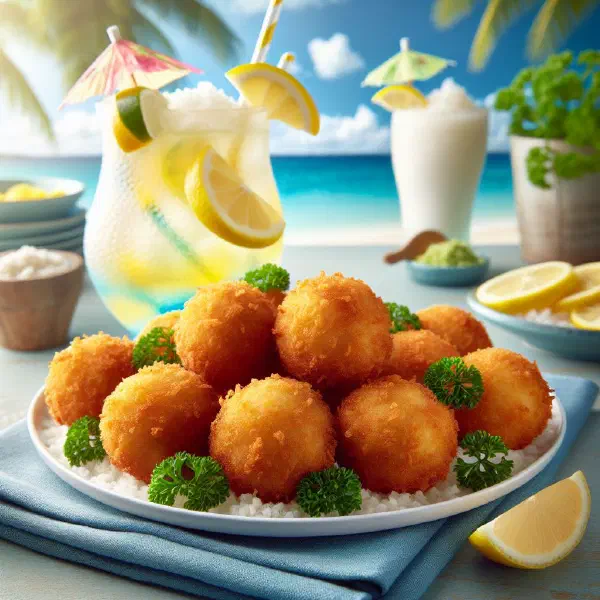
- Shape the mixture into small dumplings and fry them in hot vegetable oil until golden brown.
- Drain the dumplings on kitchen paper and serve warm.
Gluten-free / lactose-free version
Cassava dumplings are naturally gluten-free and lactose-free, since they rely on nothing but the cassava root itself. That makes them an excellent choice for anyone with a gluten intolerance or a dairy allergy. Do check that any additional seasonings are free from gluten and dairy as well, and stick to pure vegetable oil for frying to keep the dish light and allergy-friendly.
Tips for vegans and vegetarians
These dumplings are ideal for vegans and vegetarians, as they contain no animal products at all. To boost the nutritional value, try folding mixed vegetables through the mash. Fresh coriander or parsley lifts the flavour and adds a welcome freshness. For a more protein-rich version, work in a little mashed bean filling, a trick borrowed from a hearty pot of Stewed Lentils, which makes the dumplings far more filling.
More tips and tricks
Timing is everything with cassava dumplings. Boiling the root for too long spoils the texture, while undercooking leaves the dumplings hard in the middle, so taste a piece as it cooks. Fry over medium heat so the outside crisps up properly without the inside drying out. Working with slightly damp hands also makes shaping the mixture much less sticky.
Adapting the recipe to your taste
There is plenty of room to make this recipe your own. For a hotter version, add chilli powder or finely chopped fresh chillies. Grated cheese or other richer additions work well too if you want something more indulgent. Just keep an eye on the consistency so the dumplings hold their shape in the pan.
Ingredient substitutions
If cassava proves hard to find, sweet potato or yam makes a very good stand-in, both of which behave similarly and give an interesting twist on the original, much as they do in a Sweet Potato Pie. Instead of plain vegetable oil, try frying in coconut oil for an extra layer of Caribbean flavour. Make any changes gradually so the character of the dish stays intact.
Drink pairing ideas
A number of drinks bring out the island character of cassava dumplings. A cold, fiery Ginger Beer or a tart hibiscus tea works beautifully. If you would like something alcoholic, a rum cocktail or a fruity punch captures the mood perfectly. Plain water with a squeeze of lime is a lighter option that pairs just as well with the savoury dumplings.
Serving and presentation ideas
Presentation adds a great deal to the pleasure of this dish. Pile the dumplings into a large, brightly coloured bowl to show off their golden crust. Garnish with fresh herbs such as coriander or parsley for a little contrast. Set out a few dips alongside, garlic sauce or a hot salsa, so guests can choose how they like them.
A bit of history
Cassava has a long history in Caribbean cooking and was a staple food of the region’s indigenous peoples long before European contact. Making cassava dumplings was traditionally as much a social occasion as a culinary one, with families gathering to prepare and share them. Today they remain a firm part of the food culture of St Lucia and are often served at celebrations and special occasions, standing alongside classics of St Lucian cuisine such as Green Fig and Saltfish. Every bite carries a taste of the islands and a sense of shared heritage.
More recipe ideas
Summary: Cassava Dumplings
Cassava dumplings are a delicious traditional dish from St Lucia, easy to prepare and bursting with the flavours of the Caribbean. With only a few ingredients you can create something that is both versatile and genuinely wholesome. The recipe adapts happily to your own tastes, whether you prefer extra spice, different fillings or a change of herbs. Enjoy not just the cooking and the eating, but the rich island heritage that comes with every plate.