National Dish St. Lucia: Plantain Porridge (Recipe)
In this article
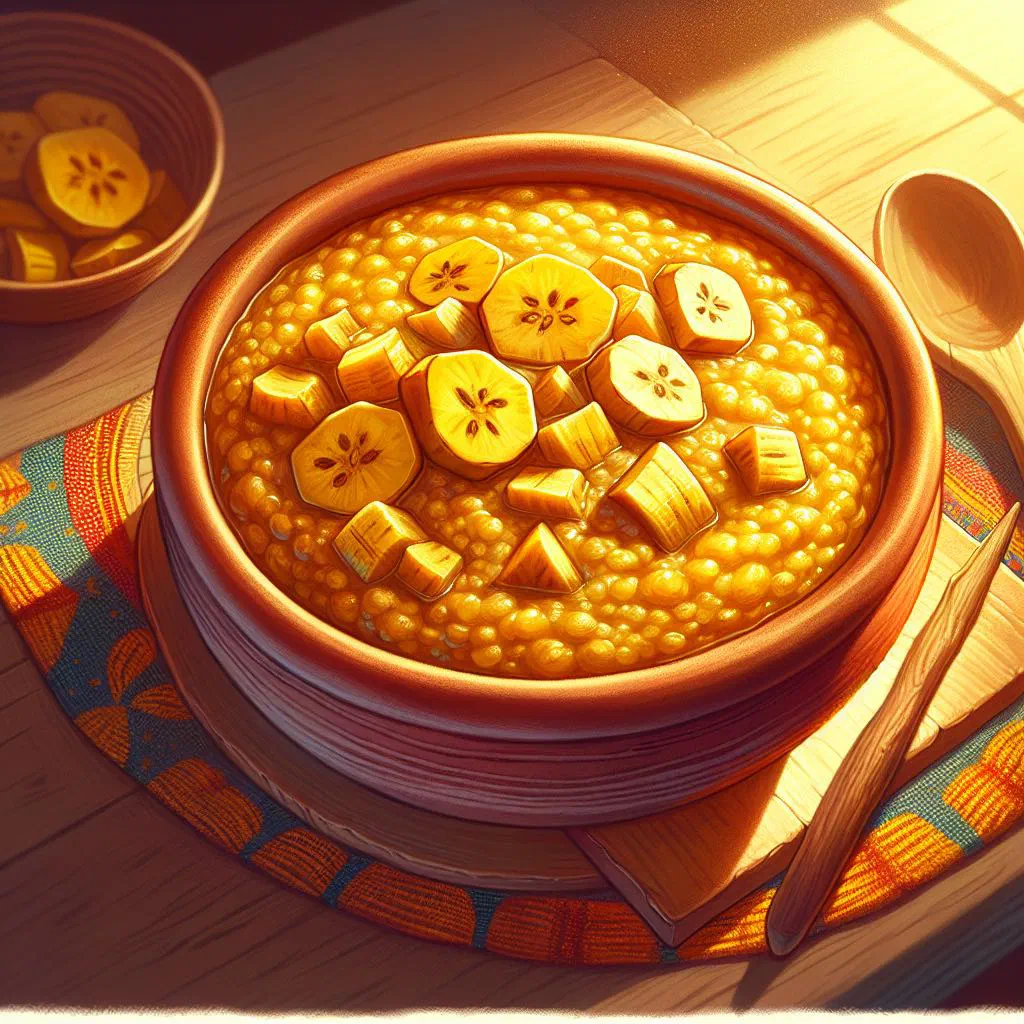
Wake up to Plantain Porridge, the creamy Caribbean breakfast that St. Lucians have loved for generations. Ripe plantains simmered in coconut milk with warming spices turn into a silky, naturally sweet bowl that keeps you going all morning. It takes barely twenty minutes and asks for nothing more than a pan and a spoon, yet it tastes like a slow island sunrise.
About Plantain Porridge
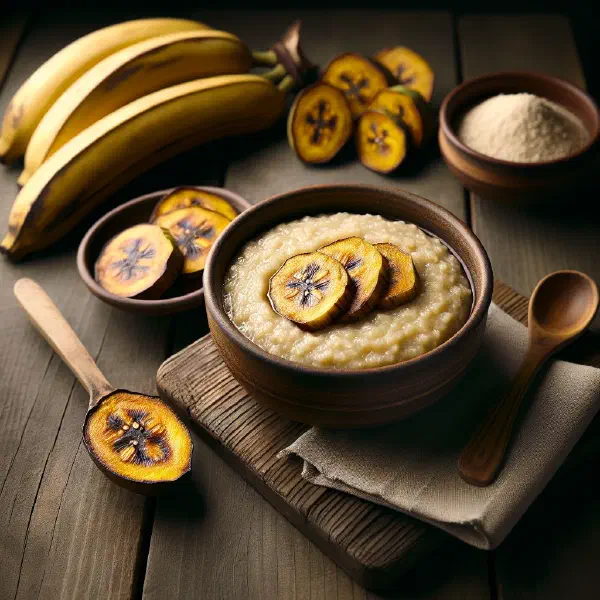
Plantain Porridge is a traditional breakfast dish from St. Lucia, known for its velvety texture and its distinctive flavour. It brings together ripe plantains and a handful of fragrant spices, cinnamon, nutmeg and a whisper of vanilla. The combination makes for a rich, nourishing start to the day that fuels the body properly. It is genuinely simple to prepare, and it carries a piece of the Caribbean straight into your own kitchen.
Ingredients (serves 1–2)
- 2 ripe plantains
- 400 ml coconut milk
- 1 teaspoon ground cinnamon
- 1/2 teaspoon grated nutmeg
- 1 teaspoon vanilla extract
- 1–2 tablespoons honey or maple syrup, to taste
- A pinch of salt
Shopping for the ingredients
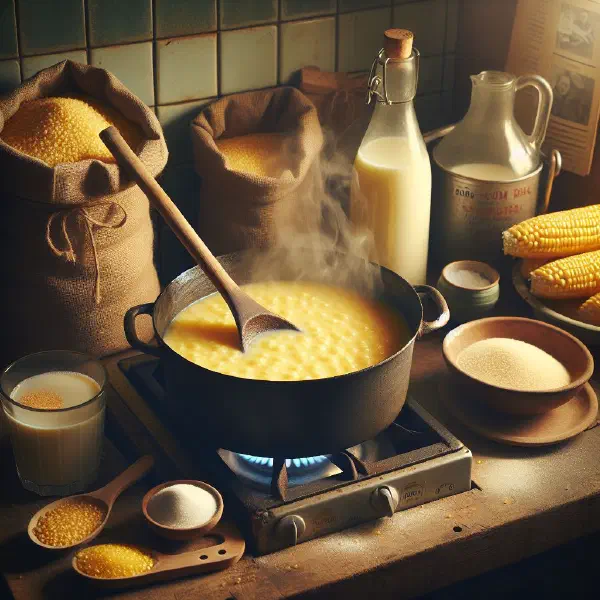
To make a good plantain porridge you will need fresh plantains, which you will find in well-stocked supermarkets, Caribbean grocers and most market stalls. Make sure they are properly ripe, as ripeness is what gives the porridge its sweetness and creaminess. Coconut milk is easy to track down in any supermarket or health-food shop. Spices such as cinnamon and nutmeg deserve a permanent place in the cupboard anyway, the same warm notes that lift a bowl of Cornmeal Porridge, and they give this dish its signature character.
Preparing the dish
Begin by peeling the plantains and cutting them into small pieces. The riper the fruit, the sweeter the finished porridge will be, so choose accordingly. The quality of your ingredients has a real effect on the flavour here, since there is nowhere for a dull plantain to hide. A few minutes of tidy preparation keeps the cooking itself quick and unhurried, and breakfast arrives in no time at all.
Step-by-step instructions
- Put the sliced plantains in a saucepan, pour over the coconut milk and bring to the boil.
- Lower the heat to medium and let the mixture simmer, stirring now and then, until the plantains are soft.
- Gradually add the spices, the vanilla extract, the honey or maple syrup and a pinch of salt.
- Blend with a stick blender until you reach a smooth, creamy consistency.
- Ladle into bowls and finish with extra fruit or nuts if you like.
Gluten-free / lactose-free version
Plantain Porridge is naturally gluten-free and lactose-free, since it contains no cereal grains and no dairy at all. That makes it an excellent option for anyone with coeliac disease or lactose intolerance. Do check the coconut milk you buy, though, as some brands slip in unwanted additives. Other plant milks work perfectly well too if you fancy varying the flavour.
Tips for vegans and vegetarians
This porridge is a natural fit for vegans and vegetarians, because every ingredient is plant-based from the start. Simply swap the honey for agave syrup or another plant sweetener to keep the recipe fully vegan. You can also enrich the bowl with nuts, seeds or fresh fruit to raise its nutritional value. Small adjustments like these make the porridge both tastier and more sustaining.
More tips and tricks
For an especially good plantain porridge, try adding a little peeled and grated fresh ginger to give the bowl a gentle warmth. Nuts or dried fruit scattered over the top provide welcome crunch and contrast, in much the same way they do on Banana Fritters. Play with the spice quantities until you find the balance you like best. Stirring through other fruit now and then is another easy way to keep the recipe interesting.
Adapting the recipe to your taste
Plantain Porridge takes happily to adjustment, so shape it around your own preferences. Experiment with different sweeteners such as agave syrup or stevia to hit the level of sweetness you want. Different plant milks will change both the texture and the flavour, so it is worth trying a few. When it comes to spices there are no rules at all, and everyone can settle on their own perfect blend.
Ingredient substitutions
If plantains are nowhere to be found, other starchy fruits and roots such as sweet potato, or even oats, will stand in, although the flavour shifts a little. Almond or soya milk can replace the coconut milk, bearing in mind that the aroma changes with it. Skip artificial sweeteners and reach for natural ones instead to keep the health benefits intact. The spices, too, can be varied according to what you have without any real loss.
Drink pairing ideas
Fresh juices work beautifully alongside plantain porridge, a blend of pineapple and orange picks up the fruity notes nicely. Herbal teas such as ginger or peppermint are another good choice, adding a refreshing edge to the meal. A tropical smoothie makes a healthy and delicious companion as well, especially a fruit-forward one like a Tropical Fruit Smoothie. Combine them as you please to bring out the flavours of the porridge.
Serving and presentation ideas
To show off your plantain porridge, serve it in deep bowls or colourful plates that set off its golden tone. Decorate with fresh berries, nuts or even edible flowers for a celebratory touch. A thoughtful garnish does more than look pretty. It makes breakfast feel like an occasion. Finish with an attractive spoon and the whole presentation comes together.
A bit of history
Plantain Porridge has its roots in Caribbean cooking and appears at breakfast tables across the region, St. Lucia very much included. It is eaten as a strengthening start to the day and reflects the rhythms and traditions of island life. The reliance on plantains speaks to the importance of local produce and to a genuine affection for St. Lucian cuisine. Over the years the recipe has evolved gently, yet it remains a simple, satisfying staple.
More recipe ideas
Summary: Plantain Porridge
Plantain Porridge is a filling, nourishing breakfast that holds a treasured place in Caribbean kitchens. Ripe plantains, warm spices and coconut milk combine into a bowl that tastes wonderful and does the body good. Because it adapts so readily to personal preference and creative additions, it suits a wide range of diets. Let its easy preparation tempt you, and greet your next morning with a little island joy.