National Dish St Vincent and the Grenadines: Coconut Tart (Recipe)
In this article
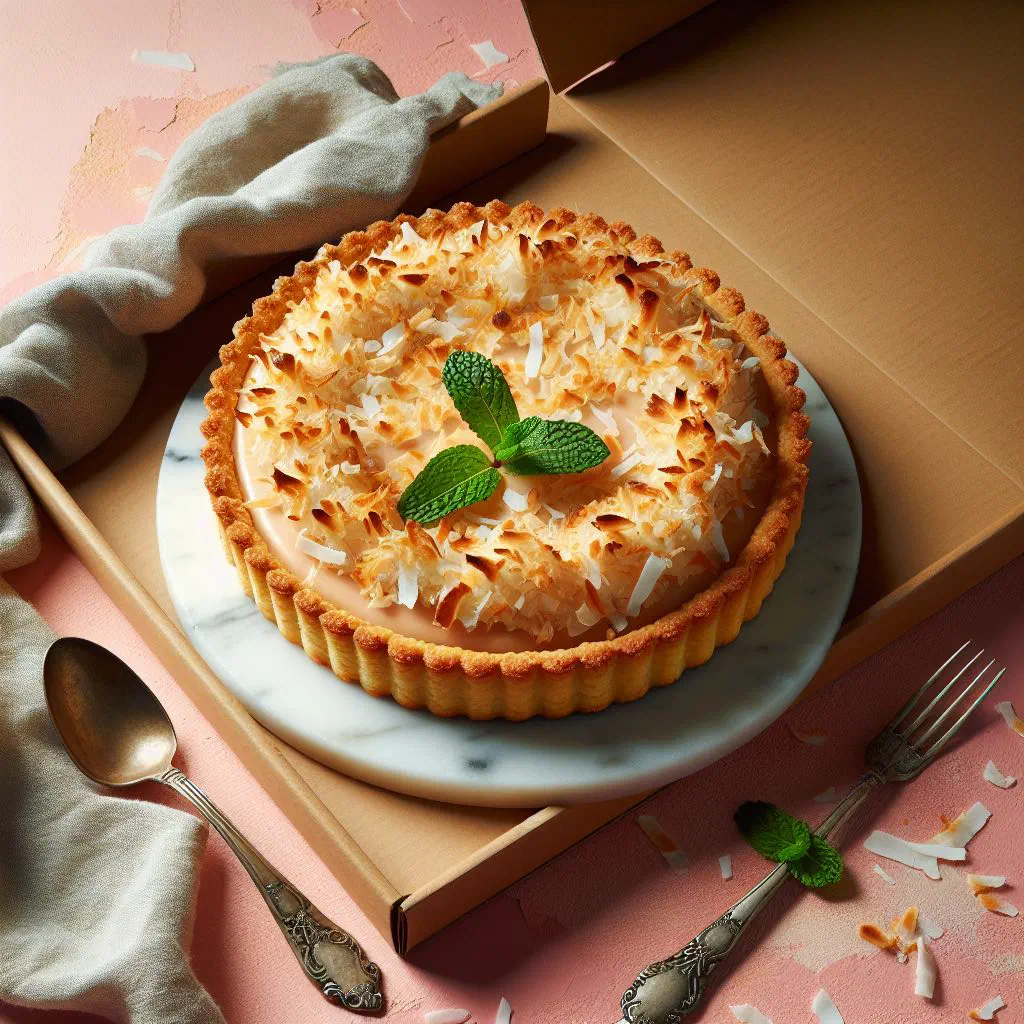
Meet the Coconut Tart, a golden Caribbean bake that turns a handful of humble store-cupboard ingredients into something quietly spectacular. Sweet grated coconut meets tender, buttery pastry, and the result is a dessert that feels equally at home on a festive family table or on a plate beside an afternoon cup of tea. It is a recipe passed down through generations on St Vincent and the Grenadines, and one that carries the warmth of the islands in every slice.
About Coconut Tart
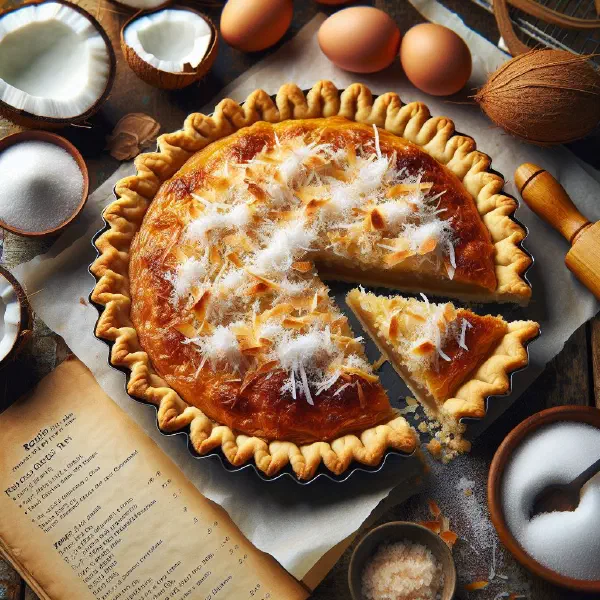
The Coconut Tart is the national dish of St Vincent and the Grenadines, and it wins over anyone who tries it with its unmistakable flavour. This delicious bake pairs the creamy sweetness of coconut with a tender shortcrust base, making it a perfect treat for any occasion. The coconut tart brings the Caribbean straight to your table. The recipe often stretches back over several generations and is a symbol of the islands’ cultural richness.
Ingredients (serves 1–2)
- 1 cup grated coconut
- 1/2 cup sugar
- 1/4 cup butter, melted
- 1/2 cup milk
- 1 egg
- 1 cup plain flour
- 1 teaspoon baking powder
- A pinch of salt
- Vanilla extract, to taste
Shopping for the ingredients
When shopping for the ingredients for your coconut tart, pay close attention to the quality of the coconut. Freshly grated coconut gives the tart a far more intense, natural flavour than the dried kind. Make sure the milk and butter are fresh too, as both have a considerable influence on the texture and taste of the finished bake. Most of the ingredients are available in your local supermarket or in an Asian grocery, so tracking everything down should be no trouble at all.
Preparing the dish
Before you start making the coconut tart, a little groundwork is needed. Lay out all your ingredients in advance so the process runs smoothly from start to finish. It is also worth preheating the oven to 180°C so it has reached the right temperature by the time the tart is ready to go in. On top of that, grease a baking tin with butter and dust it lightly with flour to stop the tart from sticking.
Step-by-step instructions
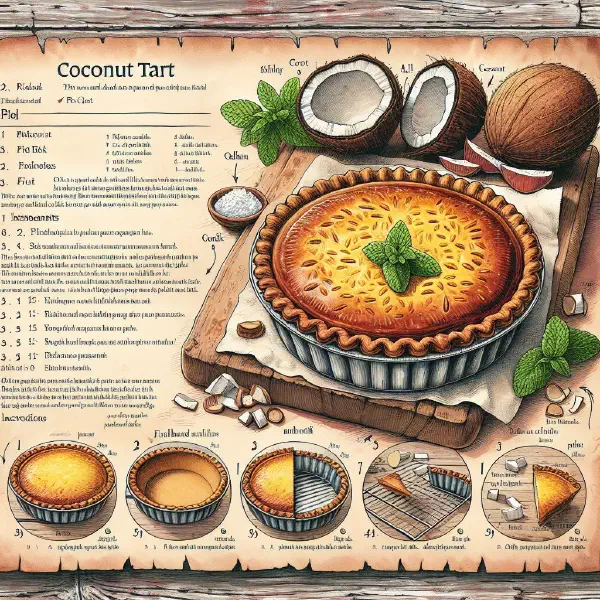
- In a large bowl, beat the butter and the sugar together until creamy.
- Add the egg and the vanilla extract and mix well.
- Stir in the grated coconut and the milk until everything is thoroughly combined.
- In a separate bowl, combine the flour, baking powder and salt, then work this mixture gradually into the wet ingredients.
- Pour the batter into the prepared tin and spread it out evenly.
- Bake for about 25–30 minutes, until golden brown and a skewer comes out clean.
- Leave to cool thoroughly before serving.
Gluten-free / lactose-free version
For a gluten-free coconut tart, use a shop-bought gluten-free flour blend that works as a 1:1 replacement for wheat flour. Do check that the other ingredients, such as the coconut and the sugar, are gluten-free as well. If you would like to make the tart lactose-free, plant-based alternatives such as coconut milk or almond milk work beautifully in place of dairy milk, with margarine or coconut oil standing in for the butter. That way, anyone with particular dietary needs can still enjoy a slice.
Tips for vegans and vegetarians
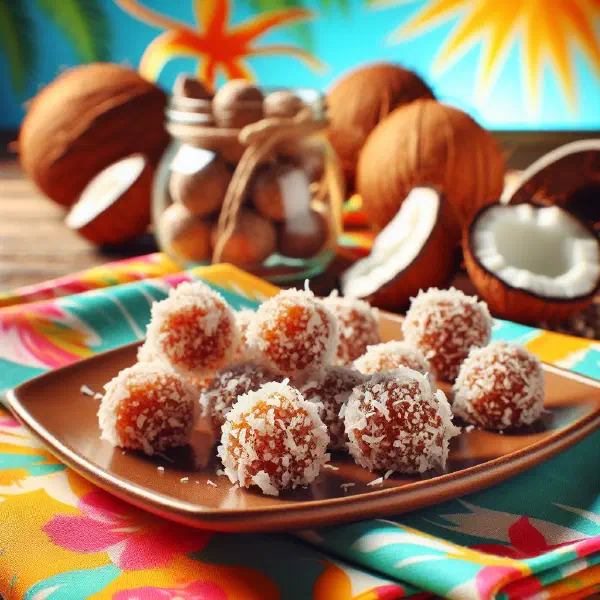
Vegans can adapt the coconut tart easily by replacing the egg with a chia or flaxseed mixture. Simply stir one tablespoon of ground chia or linseed into three tablespoons of water and let it sit for a few minutes until it thickens. For a vegetarian version no major changes are needed, though using organic ingredients wherever possible is a nice way to support sustainability. Choosing plant-based alternatives for the remaining ingredients makes the dessert accessible to a far wider circle of guests, much like the naturally dairy-free Coconut Drops.
More tips and tricks
A few practical tips will help you get the very best out of your coconut tart. Use ingredients at room temperature, as they combine more readily and give a lighter, airier crumb. Keep an eye on the baking time as well; every oven behaves differently, and what you are aiming for is an evenly golden-brown surface. Let the tart cool completely before slicing, since it firms up as it cools and may crumble if you cut into it while still warm.
Adapting the recipe to your taste
The coconut tart is easy to adapt to suit your own preferences. Add different nuts or dried fruits for extra texture and flavour, almonds and walnuts both pair wonderfully with coconut. For something a little different, a scattering of chocolate chips or a pinch of cinnamon will refine the dessert and give it a personal signature. Those with a fondness for spice may enjoy the same trick used in a good Cassava Pone.
Ingredient substitutions
If some ingredients are not to hand, there are alternatives that work just as well. Instead of sugar, honey or agave syrup will lend the coconut tart a gentler, more natural sweetness. If you cannot find a suitable pastry flour, oat flour or almond flour will do the job and add an interesting note of their own. Whether it is the coconut or the milk, reaching for flavoured alternatives such as vanilla or chocolate milk can make the eating experience even more exciting.
Drink pairing ideas
Several drinks make a fine companion to a slice of coconut tart. A freshly brewed herbal tea, mint or chamomile, say, balances the sweetness beautifully. The tart also pairs splendidly with a cool, fruity cocktail such as a piña colada, which brings its own coconut note to the table. A classic fresh lime and mint mocktail is another refreshing match, as is a chilled glass of Sorrel Drink.
Serving and presentation ideas
Presentation can lift the whole coconut tart experience. Serve the tart on a colourful plate and garnish it with fresh coconut shavings or a small spoonful of whipped cream. Fruit such as mango or slices of pineapple adds a bright, fresh note, and a little Tropical Fruit Salad on the side never goes amiss. A drizzle of chocolate sauce and a few mint or lemon leaves will improve both the look and the flavour of the dessert.
A bit of history
The coconut tart has a history closely bound up with the culture of St Vincent and the Grenadines. The region is known for its tropical fruit, and the use of coconut in so many traditional recipes underlines just how plentiful and beloved the ingredient is here. The tart is a popular dessert and a fixture at festive occasions and family gatherings, where it is served to celebrate community and good cheer. It embodies the traditional values and hospitality of Vincentian cuisine, which makes it a cornerstone of the region’s culinary identity.
More recipe ideas
Summary: Coconut Tart
In short, the coconut tart is a treat for the palate and a reflection of the traditional food culture of St Vincent and the Grenadines. Simple to make and endlessly adaptable, it is the perfect dessert for any occasion. Whether gluten-free, vegan or reworked to match your own preferences, the coconut tart slots easily into any kitchen. Savour every bite and let the flavours of the Caribbean work their magic.