National Dish St Vincent and the Grenadines: Cow Heel Soup (Recipe)
In this article
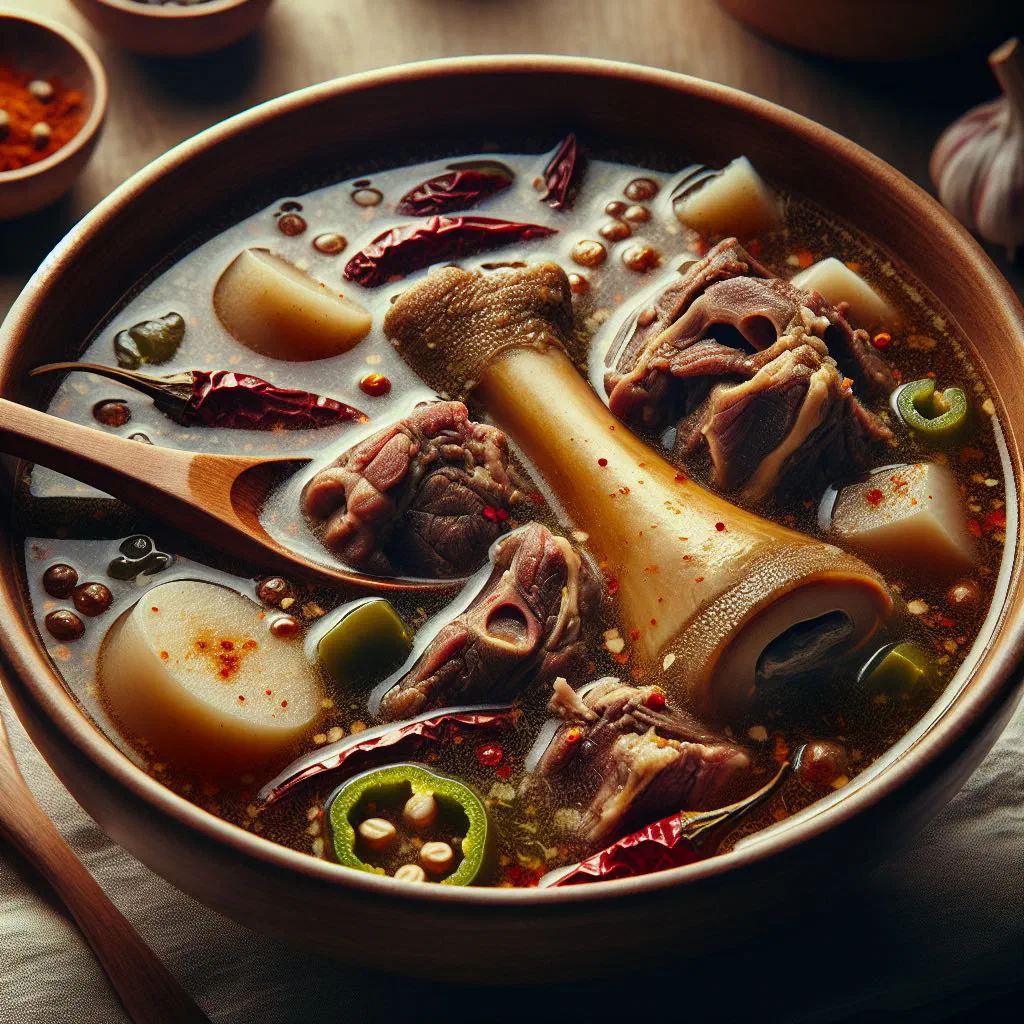
Meet Cow Heel Soup, the slow-simmered classic of St Vincent and the Grenadines. Rich, gently gelatinous and warmed through with thyme and fiery Scotch bonnet, it is the sort of pot that fills a kitchen with anticipation long before anyone sits down. Islanders make it for Sunday lunches, celebrations and cool evenings alike, and once you have tasted it you will understand why. Here is how to bring that same deep Caribbean comfort to your own table.
About Cow Heel Soup
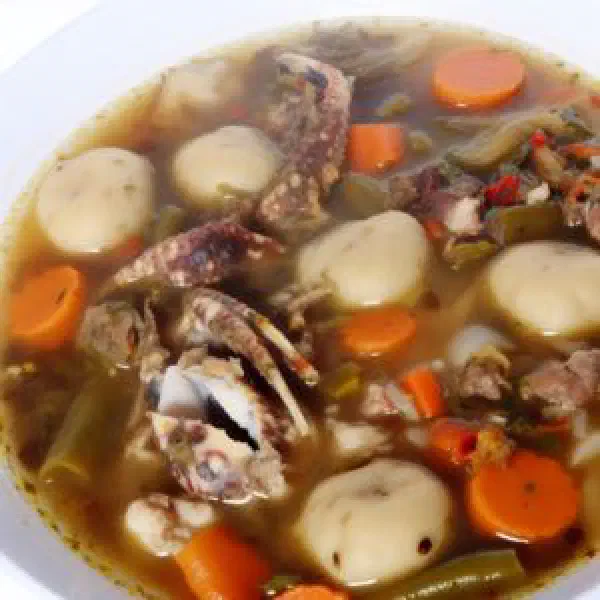
Cow Heel Soup is a much-loved national dish of St Vincent and the Grenadines, prized for its unmistakable flavour and its genuinely nourishing qualities. It is not merely a meal but a symbol of cultural identity for the region. The main ingredient, cow heel, is simmered together with an abundance of fresh vegetables and aromatic seasonings until everything turns meltingly tender. The soup is often served at special occasions and festivities, which secures it a firm place in the hearts of the islanders.
Ingredients (serves 1–2)
- 500 g cow heel, thoroughly washed
- 1 medium onion, chopped
- 2 cloves of garlic, chopped
- 2 carrots, sliced
- 1 potato, diced
- 2–3 sticks of celery, chopped
- 1–2 Scotch bonnet chillies (to taste)
- Fresh herbs (thyme, parsley)
- Salt and pepper to taste
- Water (about 1.5 litres)
Shopping for the ingredients
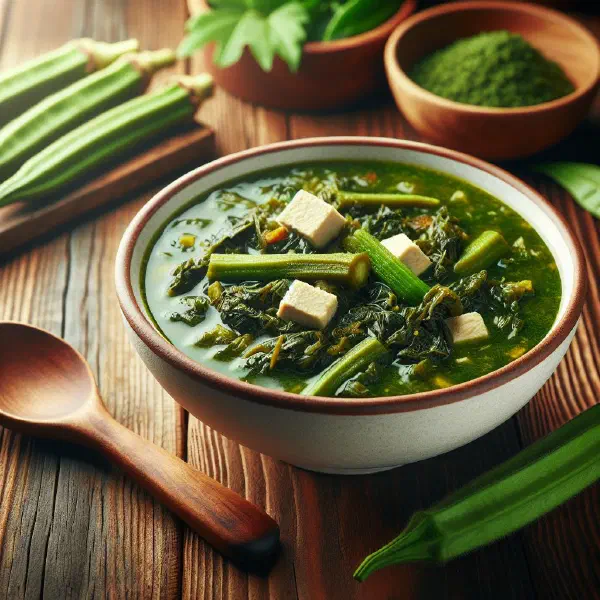
When shopping for cow heel soup, the quality of the ingredients really matters. Visit a local market or a butcher who can supply fresh cow heel alongside seasonal vegetables. The freshness of these ingredients contributes enormously to the full aroma and depth of flavour of the finished soup. Do not forget the fresh herbs either, as they are essential for balance and fragrance, the same principle that lifts a good Callaloo Soup.
Preparing the dish
Preparing cow heel soup involves washing and cutting everything carefully before the pot goes on. Make sure the cow heel is scrubbed thoroughly beforehand so that no unpleasant odours carry into the broth. The vegetables should be rinsed and cut into evenly sized pieces so they cook at the same rate. These steps are decisive if you want the best possible texture and flavour.
Step-by-step instructions
- Bring the cow heel to the boil in a large pot of water, then simmer over medium heat for about 1–2 hours until tender.
- Add the vegetables (onion, garlic, carrots, potato, celery) and bring back to the boil.
- Stir in the herbs, salt, pepper and the Scotch bonnet chillies, then let the soup simmer for a further 30 minutes.
- Take the pot off the heat and rest it for a few minutes so the flavours settle before serving.
Gluten-free / lactose-free version
Cow heel soup is naturally gluten-free and lactose-free, which makes it an excellent choice for anyone with particular dietary needs. If you use a ready-made stock or soup base, check the label for hidden gluten or dairy derivatives. The dish can be enjoyed in its classic form with no adjustments at all. Working with fresh, unprocessed ingredients is the surest way to keep it suitable for every guest.
Tips for vegans and vegetarians
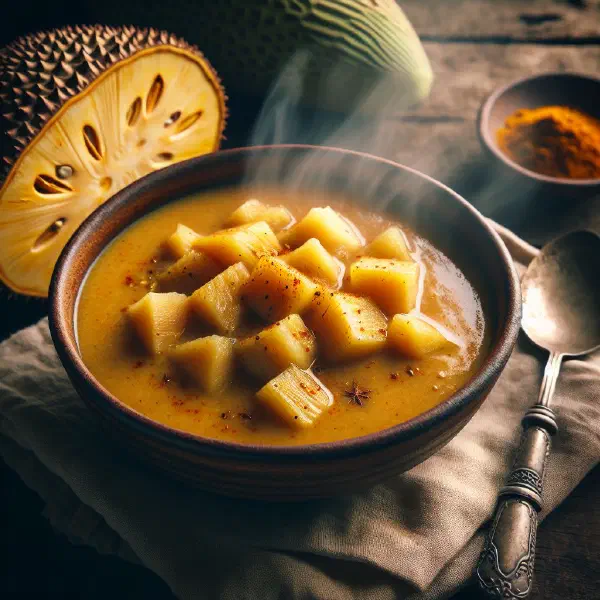
Although traditional cow heel soup is built around meat, vegans and vegetarians can create a delicious plant-based version. In place of cow heel, try seitan or jackfruit as a meat alternative. Adding extra vegetables and pulses increases both the nutritional density and the aroma of the soup. Experiment with different seasonings as well, so the pot still carries that familiar island character.
More tips and tricks
To make cow heel soup even tastier, a few small techniques go a long way. Lightly toast the spices before adding them to intensify their aromas. Slow cooking over low heat produces a deeper flavour and a richer, silkier consistency. Give yourself plenty of time at the stove so the different layers of flavour can unfold completely.
Adapting the recipe to your taste
Cow heel soup lends itself beautifully to personal preference. If you would rather have something milder, reduce the number of chillies or leave them out altogether. You can equally add different vegetables depending on the season or on what you happen to enjoy, the approach that also makes Pigeon Peas And Rice so endlessly variable. That way the soup becomes a culinary experience entirely your own.
Ingredient substitutions
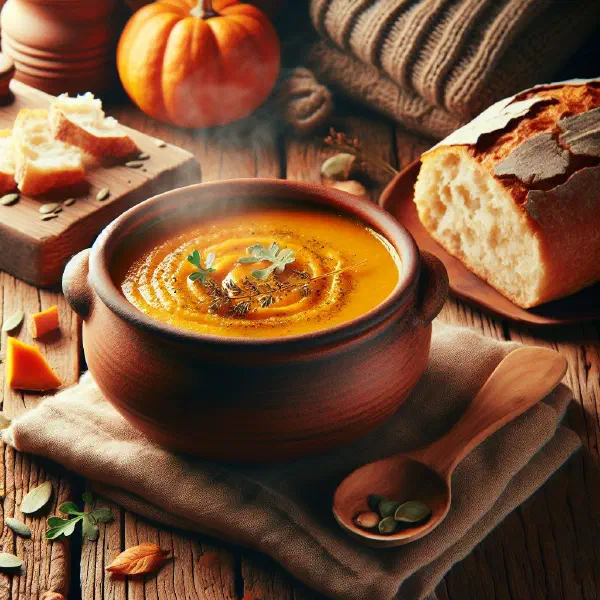
If certain ingredients are not available, you can slot alternatives into the soup without losing its spirit. Instead of cow heel, a meaty option such as chicken legs works well, as do plant-based choices like tofu. Among the vegetables, sweet potato or pumpkin are both excellent and lend the broth a gently sweeter note, much as they do in a good Pumpkin Soup. Adjustments like these let you vary the pot according to availability and taste.
Drink pairing ideas
A hearty cow heel soup goes with a range of drinks that complement its savoury depth. A fresh Caribbean rum cocktail makes a wonderful companion and draws out the aromas of the broth. For a non-alcoholic option, a fruity punch or a naturally sweet cordial such as Sorrel Drink works beautifully. These drinks are refreshing and add to the festive mood of the table.
Serving and presentation ideas
Thoughtful presentation can improve the whole experience considerably. Serve the soup in colourful traditional bowls that reflect the Caribbean setting. Fresh herbs or a squeeze of lime juice can be added as a garnish for a bright accent of colour and flavour. Good bread or crisp crackers on the side round the meal off nicely.
A bit of history
Cow heel soup has a history rooted deep in the culture of St Vincent and the Grenadines. Shaped originally by the island’s indigenous peoples and later by African influences, the dish acquired a wide range of flavours and preparations. Over the years it became more than a meal, developing into a social occasion at which communities gather to eat together and share stories. The soup remains an important part of the culinary heritage of Vincentian cuisine and an expression of community and togetherness.
More recipe ideas
Summary: Cow Heel Soup
Cow heel soup is a nourishing, deeply flavourful dish that gathers up the colours and aromas of the Caribbean in a single pot. Thanks to its fresh ingredients and aromatic seasonings, it offers no end of scope for adaptation. It remains a fixture of Vincentian food culture and an invitation to try something new. With its rich heritage and its sheer warmth, cow heel soup is guaranteed to be a highlight on any menu.