National Dish St Vincent and the Grenadines: Dukunu (Recipe)
In this article
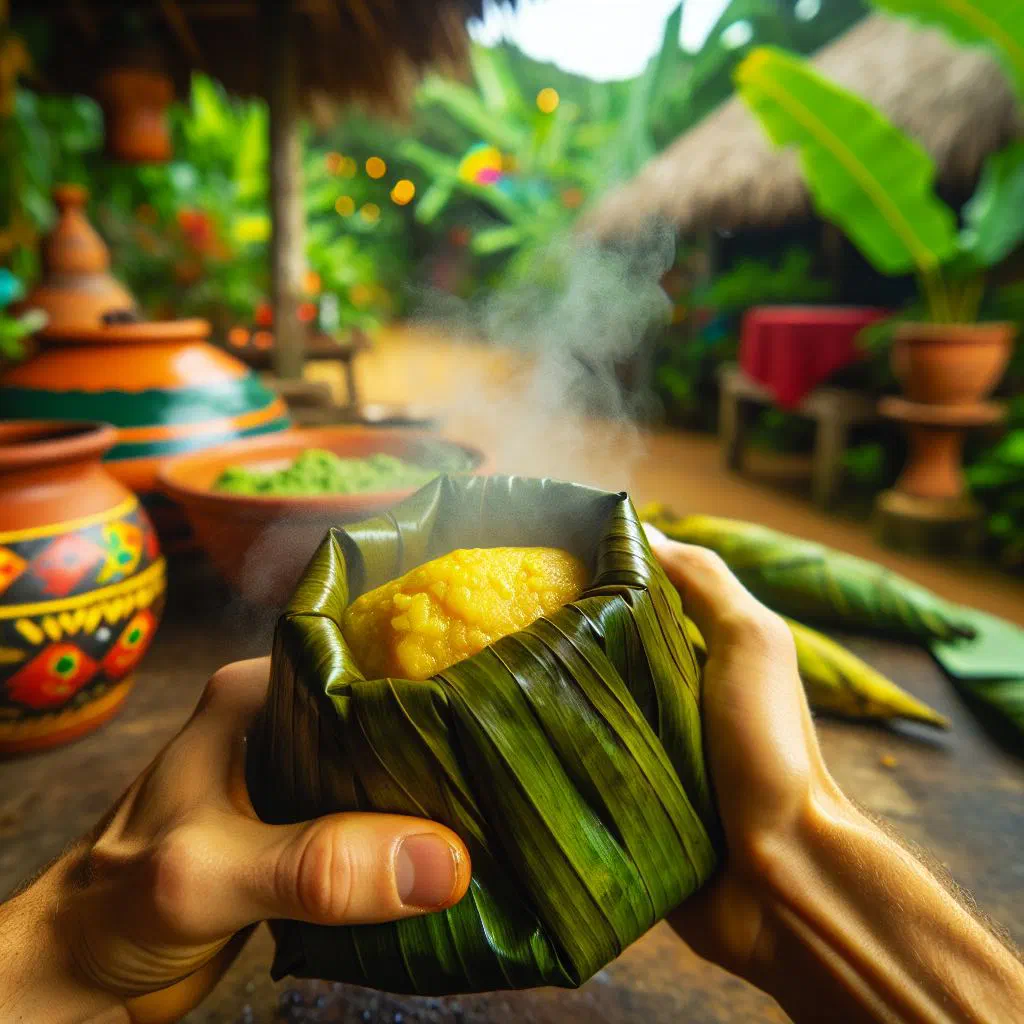
Meet Dukunu, a steamed cornmeal parcel that has been made in Vincentian kitchens for generations. Sweet and savoury at the same time, it wraps a simple mixture of maize and coconut inside a fragrant banana leaf and lets gentle steam do the rest. The leaf perfumes the dough as it cooks, giving each little bundle an aroma you simply cannot get from a saucepan. Unwrap one while it is still warm and you have the Caribbean on a plate.
About Dukunu
Dukunu is a traditional dish from St Vincent and the Grenadines that is cherished right across the Caribbean. It is built mainly from cornmeal, coconut and a handful of warming spices. The mixture is wrapped in banana leaves and then steamed, a method that gives the finished parcels a unique fragrance and an incomparable taste that is sweet and savoury all at once.
Ingredients (serves 1–2)
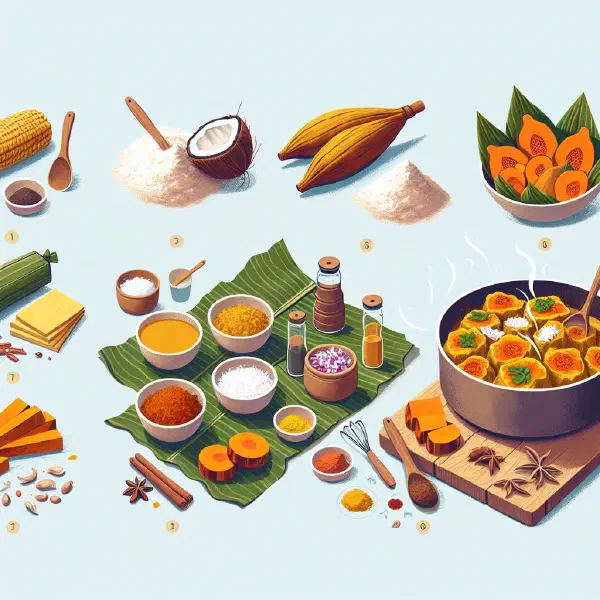
- 1 cup cornmeal
- 1/2 cup grated coconut
- 1 cup water
- 1 tablespoon sugar (optional)
- 1 teaspoon baking powder
- A pinch of salt
- (optional) spices of your choice, such as cinnamon or nutmeg
- Banana leaves, for wrapping
Shopping for the ingredients
The ingredients for dukunu are easy to find in most Asian or Caribbean grocery shops. Choose fresh, good-quality produce to get the best possible flavour. The banana leaves matter in particular, since they perfume the dish while it steams. The grated coconut can be bought fresh or dried and brings a pleasant sweetness to the recipe.
Preparing the dish
Before you start cooking, prepare the banana leaves. They need to be washed thoroughly and warmed briefly so they become supple and easier to fold. Meanwhile, combine all the dry ingredients, cornmeal, sugar, salt and any spices, in a bowl and mix them well. Having every utensil to hand before you begin keeps the whole process running smoothly, much as it does when you are shaping Boiled Dumplings.
Step-by-step instructions
- In a bowl, stir together the cornmeal, the grated coconut, the sugar, the salt and the baking powder.
- Add the water slowly until you have a smooth, spoonable batter.
- If you like, stir in the spices and mix well.
- Lay a piece of banana leaf on a flat surface and spoon a small amount of the mixture onto it.
- Fold the leaf carefully around the mixture and seal the ends securely.
- Continue until all of the mixture has been used up.
- Place the wrapped parcels in a steamer basket and steam for about 30 minutes.
- Lift the dukunu out of the leaves and serve.
Gluten-free / lactose-free version
Dukunu is naturally gluten-free, since it is made mainly from cornmeal. For a lactose-free version, simply make sure that no additional dairy products creep into the mix. Using coconut as the main source of fat keeps the dish both tasty and wholesome, so anyone with an intolerance can enjoy it without worry.
Tips for vegans and vegetarians
Dukunu suits vegans and vegetarians perfectly, as every main ingredient is plant-based. Play around with different spices or herbs to vary the flavour from batch to batch. You can also enrich the batter with plant-based milk instead of water for a creamier consistency. Small adjustments like these keep the dish interesting however often you make it.
More tips and tricks
For the best results, warm the banana leaves briefly before you use them. This makes them far more flexible and stops them splitting as you fold. It is also worth steaming in a well-ventilated basket so the steam can circulate evenly. That way the dukunu cooks through uniformly and keeps its characteristic springy texture.
Adapting the recipe to your taste
The dukunu recipe takes happily to adjustment. For a sweeter result, add more sugar or another sweetener of your choice. If you prefer bolder, more savoury flavours, work in extra spices such as chilli or a Creole seasoning blend. You can also experiment with fillings, roasted vegetables or beans, for instance, to make the parcels more substantial.
Ingredient substitutions
If you have no cornmeal to hand, rice flour makes a tasty alternative, though it will change the texture slightly, so it is worth a trial run. Instead of coconut you can use other nut or seed flours to vary the recipe, in the same spirit as the swaps that work well in Cassava Pone. Whichever route you take, make sure the substitute suits the flavours you are aiming for.
Drink pairing ideas
Dukunu goes beautifully with Caribbean drinks that echo its flavours. A refreshing mango juice or a chilled Sorrel Drink both make excellent companions. Rum cocktails also fit the mood and underline the island character of the meal. Keep whatever you pour light and fresh so it does not mask the delicate taste of the parcels.
Serving and presentation ideas
Dukunu can be presented in a wonderfully playful way. Serve it straight from the opened banana leaves for a rustic look that guests always enjoy. Fresh herbs such as coriander or mint make a lovely garnish and add a bright accent, while a small squeeze of lime juice lifts the whole plate.
A bit of history
Dukunu has its roots in the traditional kitchens of the Caribbean and reflects the region’s indigenous culture. The dish is not only delicious but carries a long history shaped by the islands’ first inhabitants and by later colonial influences. It appears often at festivals and family gatherings, where it is made in large batches so that everyone can share, a hallmark of St Vincentian cuisine and its sociable table.
More recipe ideas
Summary: Dukunu
Dukunu is an essential culinary experience from St Vincent and the Grenadines. It gathers the flavours of the Caribbean into one satisfying little parcel that manages to be sweet and savoury at the same time, and its traditional wrapping and steaming make it an ideal choice for friends and family. Enjoy the authentic taste of these fascinating islands in your own kitchen.