National Dish St Vincent and the Grenadines: Lobster Souse (Recipe)
In this article
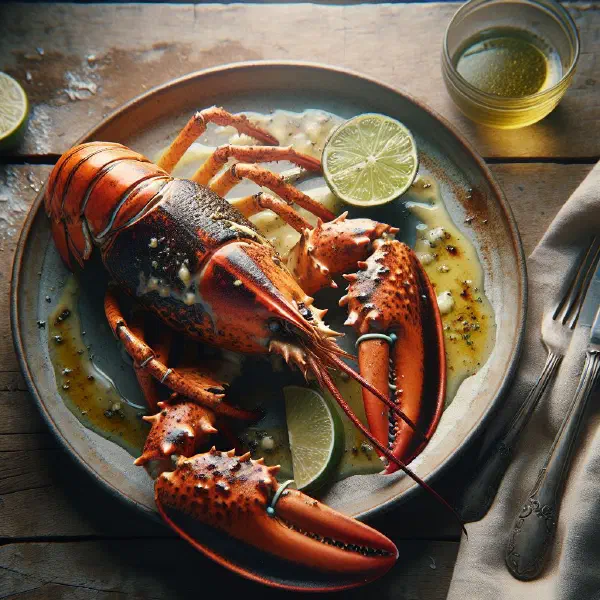
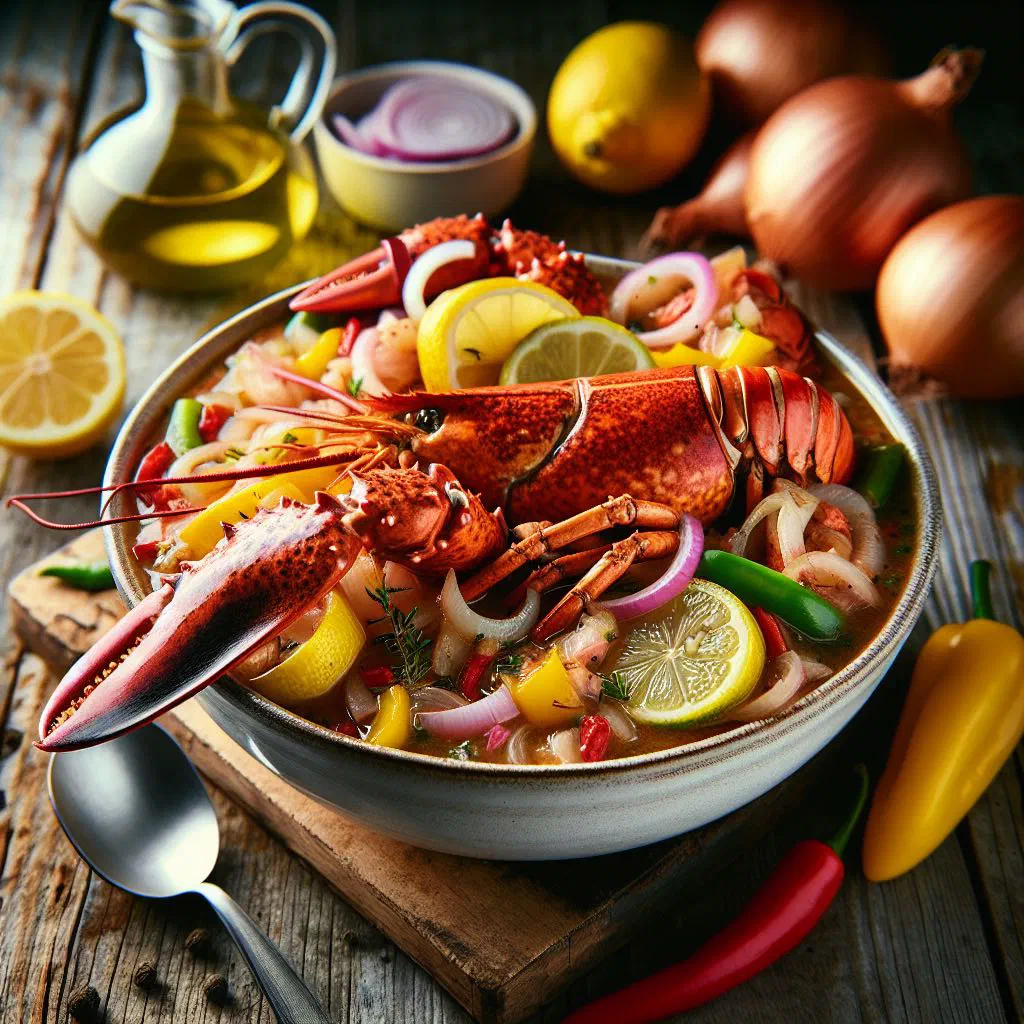
Meet Lobster Souse, the bright, chilled seafood dish that St Vincent and the Grenadines has made its own. Sweet lobster meat is tossed in a sharp, herb-flecked marinade of lime juice, onion and cucumber until every bite tastes of sea breeze and sunshine. It is light rather than rich, refreshing rather than heavy, and it comes together with very little cooking, the perfect thing to serve when the weather is warm and the company is good.
About Lobster Souse
The national dish of St Vincent and the Grenadines is Lobster Souse, a delicacy that wins over seafood lovers and curious cooks alike. It is built around succulent lobster, steeped in a tangy marinade that rounds off the flavour beautifully. The combination of lime, onion, cucumber and freshly chopped herbs brings the aromas of the Caribbean straight to the plate. In hot weather the dish is not only a treat for the palate but a genuinely cooling one too.
Ingredients (serves 1–2)
- 250g fresh lobster
- 1 small onion
- 1 lime (juiced)
- 1 small cucumber
- Fresh herbs (coriander or parsley, for example)
- Salt and pepper to taste
Shopping for the ingredients
When shopping for lobster souse, look out for fresh lobster, ideally from a sustainable catch. Visit your local fish market or put your trust in a good greengrocer to get the freshest produce. Make sure the onions and cucumbers are firm and crisp, as that is what gives the best flavour. Fresh herbs can be picked up in a supermarket or at a market stall and will intensify the aromas of the finished dish.
Preparing the dish
Good preparation is essential if the flavours of lobster souse are to come through properly. Start by cleaning the lobster thoroughly and cutting it into bite-sized pieces. Chop the onions finely, and either dice the cucumber or slice it into fine strips, depending on your own preference. The fresh herbs should be finely chopped as well, so their aroma is released into the marinade.
Step-by-step instructions
- Cook the lobster in a pan of salted water until done, then leave it to cool.
- In a large bowl, combine the cooked lobster pieces with the chopped onion, cucumber and fresh herbs.
- Squeeze the juice of one lime over the mixture and stir well.
- Season with salt and pepper and chill in the fridge for at least 30 minutes.
- Stir once more before serving and arrange on an attractive plate.
Gluten-free / lactose-free version
Lobster souse is naturally gluten-free and lactose-free, which makes it an ideal choice for anyone with those intolerances. No special adjustments are needed for the dish to meet both requirements. Enjoy it without a second thought and savour the light, refreshing texture of the ingredients.
Tips for vegans and vegetarians
Although lobster souse is traditionally made with lobster, vegan and vegetarian versions work well too. Replace the lobster with tofu, marinated jackfruit or even a mixture of tropical vegetables for a similar eating experience. Marinate these alternatives exactly as you would the lobster and follow the same method throughout. That way everyone at the table gets a taste of the Caribbean.
More tips and tricks
To lift the overall flavour of lobster souse, add a hint of chilli or paprika to the marinade if you like a bit of heat. Another option is a little fresh ginger or garlic for extra depth. Give your creativity free rein and adjust the dish to suit your own preferences. Just remember to let the ingredients steep properly before serving so the flavours have time to open up.
Adapting the recipe to your taste
Lobster souse takes very kindly to personal touches. Keep the marinade sharp and minimal for a clean, briny result, or make it fuller and warmer with extra herbs and a spoonful of chilli, much the way a Lobster Curry leans into spice rather than acidity. You can also vary the ratio of seafood to vegetables, letting the cucumber take a bigger role for a lighter, salad-like plate.
Ingredient substitutions
If you cannot find lobster, prawns are an excellent alternative and just as light and delicious. For the vegetables, avocado or peppers work alongside or instead of cucumber and bring different textures and flavours into play. Each of these swaps creates a whole new flavour profile while keeping the Caribbean spirit intact. Experiment with different ingredients to arrive at your own version of the dish.
Drink pairing ideas
Lobster souse goes wonderfully with refreshing drinks such as a cool glass of white wine or a tropical rum cocktail made with fresh fruit. A blend of lime and pineapple juice also underlines the flavours of the dish nicely, and a classic Caribbean beer makes a fine partner. For something more local, a bowl of Conch Water alongside keeps the whole meal firmly in island territory.
Serving and presentation ideas
Presentation matters if lobster souse is to look as appetising as it tastes. Serve it in a handsome shallow bowl or on a large plate lined with fresh salad leaves. A few edible flowers or slices of lime make a good garnish and add a splash of colour. A well-arranged plate not only looks the part but genuinely sharpens your guests’ appetites.
A bit of history
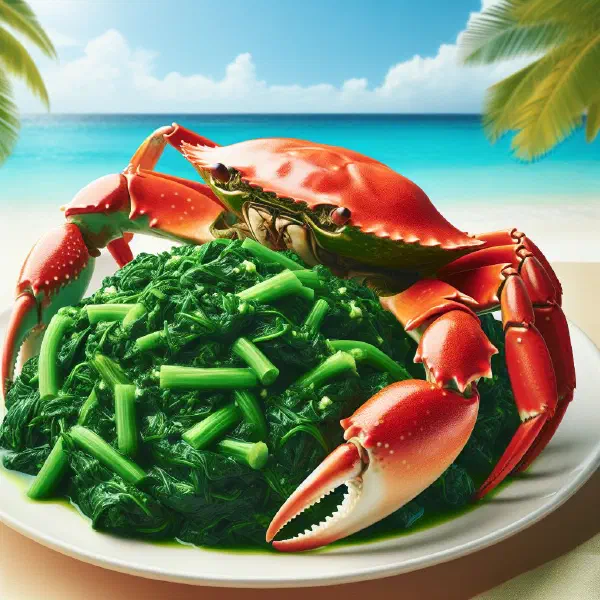
Lobster souse has its roots in Caribbean culture and is a fine example of the range of flavours found across the region. It is often served at celebrations and festivals, reflecting the traditions of the islanders themselves. The use of fresh seafood and local produce shows how closely people here are tied to their land and their sea, the same instinct that shapes dishes like Callaloo and Crab across Vincentian cuisine. This delicacy is satisfying, but it is also an expression of culture and community.
More recipe ideas
Summary: Lobster Souse
In short, lobster souse is not simply a dish but a culinary experience that shows off the flavours of the Caribbean at their best. With fresh ingredients and a straightforward method, it is perfectly suited to warm days. Let this tradition inspire you and enjoy the fresh flavours of St Vincent and the Grenadines.