National Dish St Vincent and the Grenadines: Mahi Mahi Creole (Recipe)
In this article
Meet Mahi Mahi Creole, a sunlit plateful from St Vincent and the Grenadines that puts firm, sweet fish together with a lively sauce of tomatoes, peppers and warm spices. It is the sort of dish that tastes of sea air and market stalls: quick to cook, generous in colour and full of the bold Caribbean flavours the islands are known for. Whether it heads up a festive dinner or a relaxed barbecue, it brings the tropics straight to your table.
About Mahi Mahi Creole
Mahi Mahi Creole is a traditional dish of St Vincent and the Grenadines that celebrates the unmistakable flavours of the Caribbean. The recipe pairs the delicate taste of fresh mahi mahi with a spiced medley of tomatoes, sweet peppers and fragrant herbs. Vivid colours and deep, savoury aromas make it a genuine highlight at any table, and the technique is simple enough for a weeknight. It sits happily alongside island staples such as Fried Fish Creole, which builds on the very same creole seasoning tradition.
Ingredients (serves 1–2)
- 300 g fresh mahi mahi
- 1 large tomato, diced
- 1 pepper (red or yellow), diced
- 1 onion, chopped
- 2 cloves of garlic, chopped
- 1 teaspoon ground cumin
- 1 teaspoon paprika
- 1 tablespoon olive oil
- Salt and pepper to taste
- Fresh herbs (parsley or coriander), to garnish
Shopping for the ingredients
When shopping for Mahi Mahi Creole, the fish is the ingredient worth taking your time over. Look for fresh mahi mahi with a clean sea smell and a glossy, translucent surface, dull or dry-looking flesh is a sign it has been sitting too long. A local fish market is usually the best source, though good supermarket counters and quality frozen fillets will do the job. For everything else, a market stall or greengrocer will give you the ripest tomatoes and peppers.
Preparing the dish
Before you start cooking Mahi Mahi Creole, wash and prepare all the ingredients so everything is within reach. Cut the diced vegetables to a similar size so they soften at the same rate, and portion the mahi mahi into evenly sized pieces so the fish cooks through without drying out at the edges. Good preparation keeps the cooking itself calm and quick. This is a dish that comes together in minutes once the pan is hot.
Step-by-step instructions
- Heat the olive oil in a large frying pan over a medium heat.
- Add the chopped onion and garlic and fry gently until soft and fragrant.
- Stir in the diced tomato and pepper, then cook until the vegetables have softened.
- Season the mixture with cumin, paprika, salt and pepper.
- Add the mahi mahi pieces and cook for about 5–7 minutes, until the fish is just done and tender.
- Serve hot, garnished with fresh herbs.
Gluten-free / lactose-free version
Mahi Mahi Creole is naturally gluten-free and lactose-free, which makes it an easy choice for anyone with intolerances. Because every main ingredient is fresh and unprocessed, there are no hidden sources of gluten or dairy to worry about. Just check that any ready-made spice blends you use are certified gluten-free, as some contain anti-caking agents or flour. Pair it with plain rice or Roasted Breadfruit and the whole meal stays free of both.
Tips for vegans and vegetarians
For vegans and vegetarians the recipe adapts with very little effort. Swap the mahi mahi for firm tofu or tempeh, both of which hold their shape in the sauce and soak up the spices beautifully. Pressing the tofu first and searing it before it goes into the creole base gives you a much better texture. Finished with fresh herbs and whatever vegetables you like best, it makes a bright and satisfying plant-based meal.
More tips and tricks
A few small tricks make Mahi Mahi Creole even easier. Chop the vegetables ahead of time so the cooking is a matter of minutes, and taste the sauce before the fish goes in. That is your last chance to adjust the seasoning without overworking the fillets. Resist the urge to stir once the fish is in the pan; a gentle shake keeps the pieces whole. A squeeze of lime at the end lifts everything and adds a welcome freshness.
Adapting the recipe to your taste
The beauty of Mahi Mahi Creole is how readily it bends to personal preference. Like it fiery? Add fresh chillies or a little scotch bonnet, the pepper that gives so much Vincentian cooking its heat. Prefer something gentler? Ease back on the spices and let the clean flavour of the fish come forward. You can also stretch the sauce with okra, courgette or sweetcorn to make it go further.
Ingredient substitutions
If you cannot get hold of everything, there are plenty of alternatives. Any firm white fish stands in well for mahi mahi, cod, halibut, snapper or the jackfish used in Fried Jackfish all work. Frozen peppers and tinned tomatoes are perfectly good when fresh ones are out of season, and smoked paprika makes a fine swap for sweet paprika if you want more depth. Fresh ingredients always taste best, but there is enough flexibility here to cook the dish almost anywhere.
Drink pairing ideas
Refreshing drinks are the natural partner for Mahi Mahi Creole. A fruity Caribbean cocktail such as a rum punch or a mojito matches the spice without fighting it, and a crisp white wine works equally well. For an alcohol-free option, freshly pressed juices or a tart Sorrel Drink are hard to beat. Choose something that echoes the tropical flavours and the meal takes care of itself.
Serving and presentation ideas
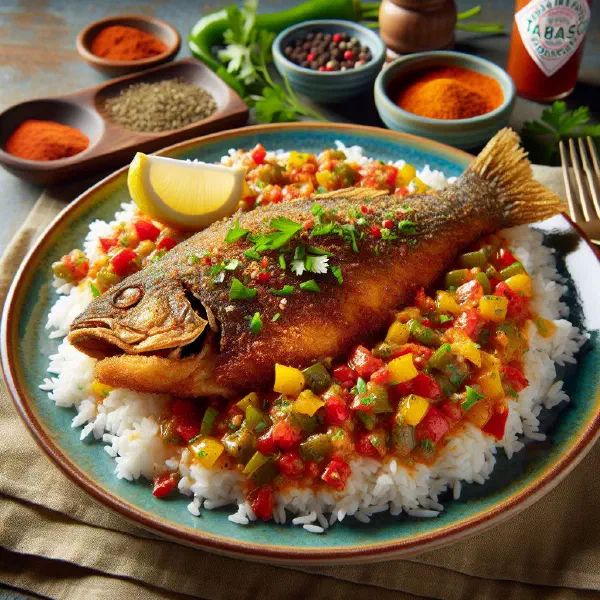
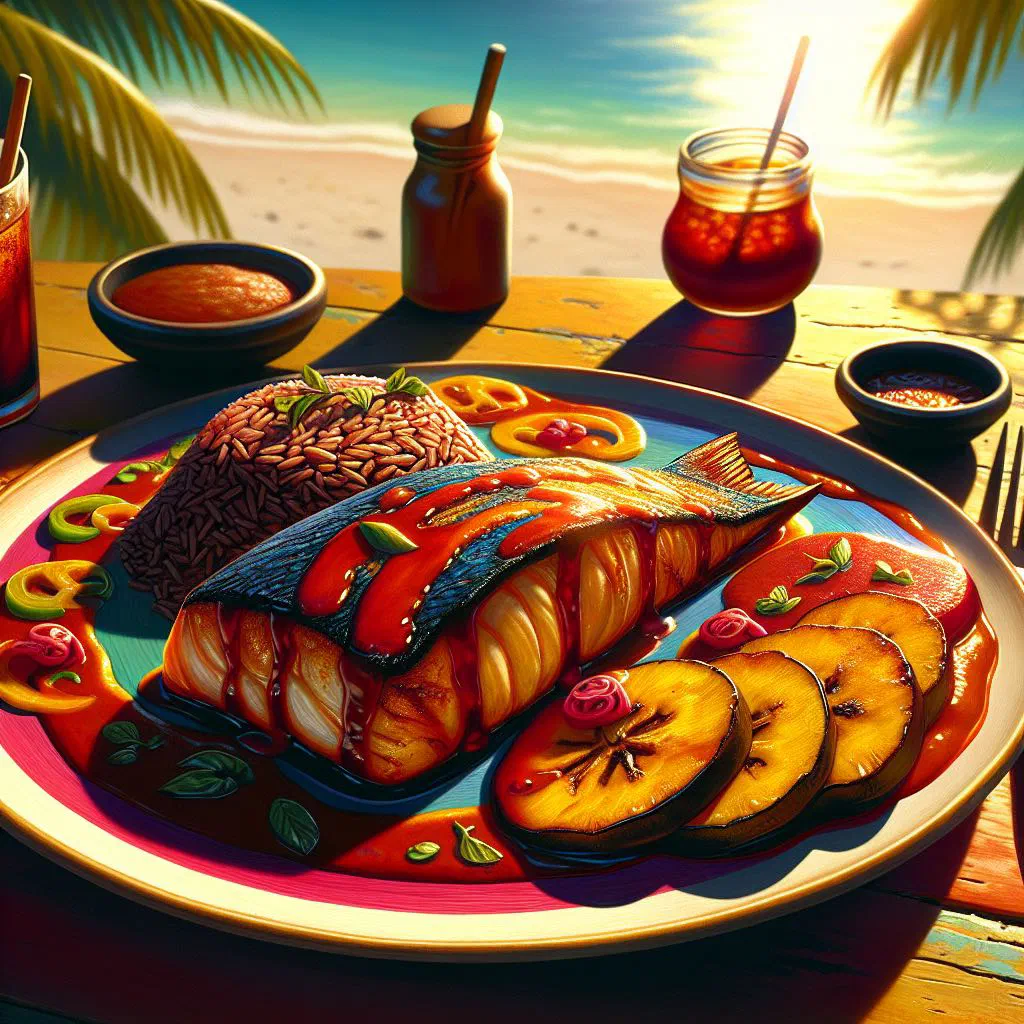
Presentation adds a great deal to Mahi Mahi Creole. Serve it on colourful plates and finish with fresh herbs and a wedge of lime for a bright, appetising look. Rice or fried plantain on the side balances the colours and textures nicely, and a spoonful of the sauce poured over the fish keeps everything glossy. A well-laid table with a few shared dishes turns it into a proper occasion.
A bit of history
Mahi Mahi Creole is rooted deep in the culinary traditions of the Caribbean, where creole cooking grew out of the meeting of African, Indigenous and European kitchens. Mahi mahi itself is prized across the region, both as an excellent eating fish and as a mainstay of local fishing communities. The dish reflects the reliance on what the sea and the land provide, a defining feature of St Vincentian cuisine. Cooking it is a small taste of that history.
More recipe ideas
Summary: Mahi Mahi Creole
Mahi Mahi Creole is a straightforward, thoroughly delicious dish that captures the flavours of the Caribbean in a single pan. Fresh ingredients, a short cooking time and endless room to adjust the seasoning make it as suited to a celebration as to a quiet supper at home. Serve it hot with plenty of sauce and something cold to drink, and you have a little piece of St Vincent and the Grenadines in your own kitchen.