National Dish St Vincent and the Grenadines: Pepper Pot (Recipe)
In this article
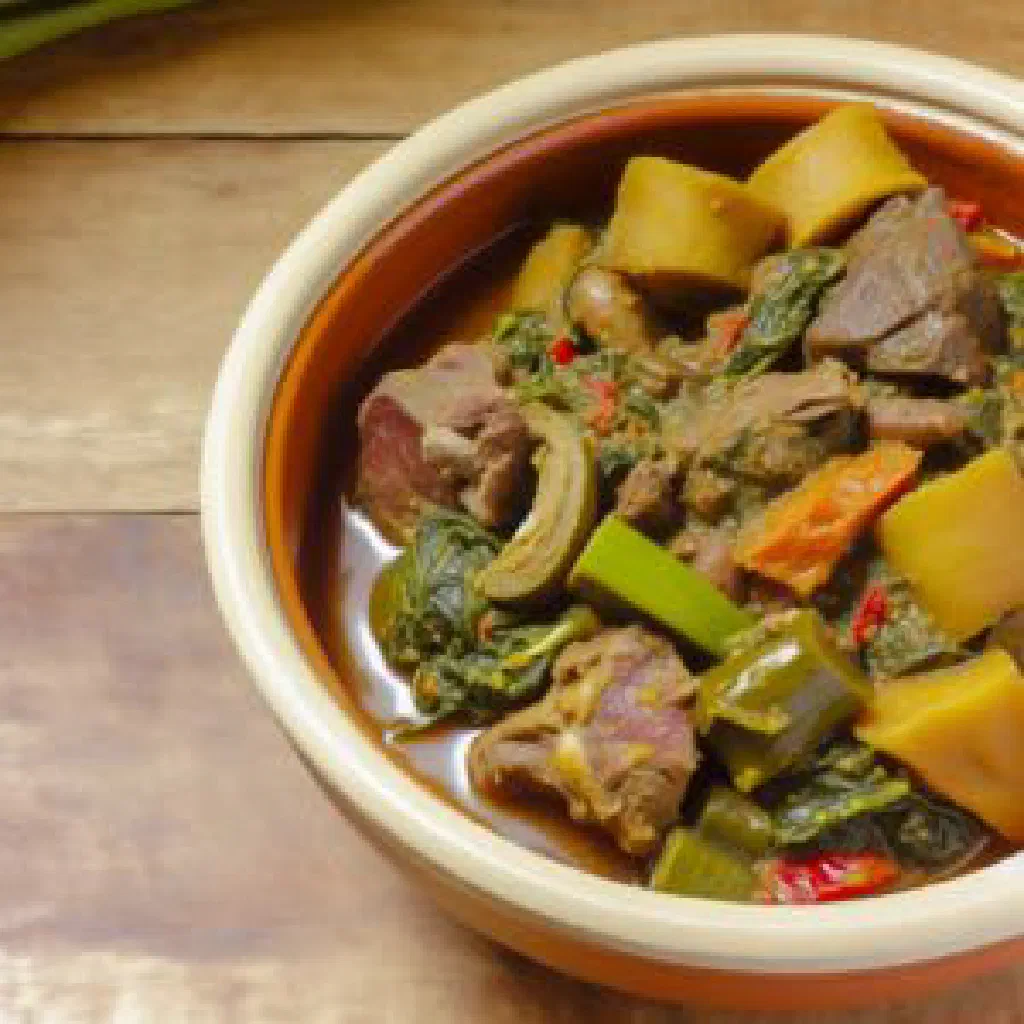
Few dishes capture the warmth of the eastern Caribbean quite like Pepper Pot, the slow-simmered stew that St Vincent and the Grenadines serves whenever there is something worth celebrating. Tender meat, fiery peppers and a deep, spice-laden broth come together over a couple of unhurried hours on the hob. It is the sort of pot that fills the house with aroma long before anyone sits down to eat, and one that tastes even better shared.
About Pepper Pot
Pepper Pot is a traditional and deeply flavoursome national dish from St Vincent and the Grenadines, known above all for its peppery bite and its long, layered aromas. The dish is a stew that brings together tender pieces of meat, most often beef or goat, with a harmonious blend of aromatic spices and fresh herbs. It appears again and again at festive occasions, where its purpose is as much social as culinary, one big pot, shared by everyone at the table. A single spoonful is an invitation to travel through the Caribbean and taste its unmistakable character.
Ingredients (serves 1–2)
- 500 g beef or goat meat, diced
- 1 onion, chopped
- 2 cloves of garlic, chopped
- 2–3 scotch bonnet peppers, whole or chopped
- 1 teaspoon allspice
- 1 teaspoon black peppercorns
- 2–3 sprigs of thyme
- 1–2 bay leaves
- 1 litre beef stock
- Salt to taste
- 2 tablespoons vegetable oil
Shopping for the ingredients
To do Pepper Pot justice, seek out fresh, good-quality ingredients. A visit to a local market is well worth it, as you are far more likely to find properly fresh meat and whole spices there. Scotch bonnet peppers, which supply the dish’s signature heat, are usually stocked by Caribbean or international grocers. Look out for fresh herbs such as thyme while you are there, since they make a noticeable difference to the finished flavour.
Preparing the dish
Preparation for Pepper Pot begins with cutting the meat into evenly sized pieces. This ensures it cooks at the same rate throughout and ends up with a pleasant texture rather than a patchy one. While you are at the board, chop the onions and garlic too, as these form the aromatic base of the sauce. Working with genuinely fresh ingredients improves the eating experience considerably and makes it much easier to coax out the different layers of flavour.
Step-by-step instructions
- Heat the vegetable oil in a large pot over a medium heat.
- Add the chopped onion and garlic and fry until softened.
- Add the diced meat and brown it all over.
- Stir in the allspice, black peppercorns and the whole scotch bonnet peppers.
- Pour in the beef stock and bring the dish to the boil.
- Reduce the heat and add the thyme and bay leaves.
- Cover the pot and leave to simmer for around 1½ to 2 hours, until the meat is tender.
- Season to taste with salt and serve hot.
Gluten-free / lactose-free version
Pepper Pot is made entirely without gluten- or lactose-containing ingredients, which makes it well suited to anyone with those intolerances. Do check that the stock you use is certified gluten-free, as that is the one place where wheat can slip in unnoticed. The spices and herbs in this recipe are likewise free of both gluten and lactose, so there is nothing else to worry about. Enjoy this delicious stew without restriction.
Tips for vegans and vegetarians
Pepper Pot also works beautifully in a plant-based form for vegan and vegetarian cooks. Replace the meat with a combination of soya chunks, lentils or chickpeas to build a protein-rich foundation. Use the same vegetables and spices as in the traditional recipe so the peppery character survives the swap. The result is a delicious way to enjoy Caribbean flavours in plant form, nourishing, hearty and every bit as satisfying as a bowl of Callaloo Soup.
More tips and tricks
If you fancy experimenting with the aromatics, try different spice combinations to give your Pepper Pot a personal signature. Fresh herbs such as coriander or parsley can be scattered over at the end for an extra lift. Do keep an eye on the heat level, particularly if you or your guests are sensitive to chilli, the scotch bonnets are formidable. A squeeze of lime juice just before serving sharpens the whole pot and adds welcome freshness.
Adapting the recipe to your taste
One of the great virtues of Pepper Pot is how forgiving it is about ingredients. Experiment with different cuts and kinds of meat, or even fish, to explore new flavours. If you like your food properly hot, increase the number of chillies or choose a fiercer variety. Alternatively, swap the beef stock for vegetable stock to make the dish vegan. That flexibility means you can tune the pot to your own palate and to whatever your guests need.
Ingredient substitutions
Some of the ingredients in Pepper Pot, notably the scotch bonnet peppers, can be hard to track down in certain regions. In that case, substitute jalapeños or another milder chilli to achieve a comparable warmth. Equally, chicken can stand in for the beef or goat and will give a more tender, quicker-cooking result, the same reasoning that shapes a dish like Curry Goat. Be creative: sturdy vegetables make excellent protein-rich alternatives, and local spices are always worth a try.
Drink pairing ideas
Pepper Pot lends itself to pairing with a wide range of drinks. A refreshing Caribbean cocktail of rum, pineapple juice and coconut water is a natural match for the stew’s spice. A fruity soft drink such as a chilled Sorrel Drink, or simply a glass of iced water with lime, provides pleasant relief between mouthfuls. To round off the island experience, a good Caribbean beer complements the depth of the broth wonderfully.
Serving and presentation ideas
How you serve Pepper Pot can make a real difference to the meal. Present it in colourful bowls or earthenware pots to echo the Caribbean setting. Finish the stew with fresh herbs for decoration and make use of natural daylight to bring out the colours and textures. Sides such as rice or fresh bread not only look inviting but are perfect for mopping up the last of that delicious sauce, Coconut Rice is a particularly good partner.
A bit of history
Pepper Pot has an eventful history, closely bound up with the culture and traditions of the Caribbean. Originally prepared by the region’s indigenous peoples, the dish was shaped over time by the cooking of enslaved Africans and by British colonial influence. It is regarded as a symbol of community and celebration and holds a central place in Caribbean gastronomy. This stew has found its way into homes across Vincentian cuisine and to international recognition, on the strength of its aromas and singular character.
More recipe ideas
Summary: Pepper Pot
In short, Pepper Pot is a traditional stew from St Vincent and the Grenadines that wins people over with its peppery warmth and unmistakable flavour. The combination of tender meat, fresh herbs and aromatic spices creates a culinary experience suited to festive occasions and quiet dinners alike. The dish conveys the taste of the Caribbean and the culture and traditions of the region. Give Pepper Pot a try and let its depth and variety work their magic on you.