National Dish Sudan: Aseedah bil Asal (Recipe)

In this article
Meet Aseedah bil Asal, a comforting Sudanese classic that turns the simplest of pantry staples into something quietly special. This smooth pudding of wheat flour and water is finished with a drizzle of warm honey sauce, making it equally at home on the breakfast table or as a gentle dessert. Especially cherished during the cooler months, it is nourishing, filling and endlessly welcoming, a true taste of Sudanese home cooking.
About Aseedah bil Asal
Aseedah bil Asal is a traditional Sudanese dish that charms through its simple preparation and through its rich, mellow flavour. It is often served as a breakfast or a dessert and is particularly popular during the colder months of the year. Made mainly from wheat flour and water, it is a nourishing option that is both satisfying and tasty. The chance to crown it with a sweet honey sauce makes it a genuine treat that has won over the hearts of many.
Ingredients (serves 1–2)
- 1 cup wheat flour
- 1 cup water
- 1/4 cup honey
- A pinch of salt
- A little oil (for greasing the dish)
Shopping for the ingredients
When shopping for aseedah bil asal, it is worth choosing good-quality products. Wheat flour comes in different grades, and a fine flour is best suited to this preparation. Honey plays an important role in the dish, so it pays to pick the purest and most sustainably produced honey you can find for the best flavour. The salt and the oil should be fresh and of good quality too, so that the aromas come through at their finest.
Preparing the dish
Preparing aseedah bil asal is wonderfully straightforward and takes only a few steps. Begin by measuring out all the ingredients and setting them within reach, so the cooking runs smoothly. Weighing things out ensures the ratio of ingredients is well balanced, which has a real effect on the texture and the taste. A clean, organised worktop makes the rest of the process easier and cooking altogether more enjoyable.
Step-by-step instructions
- Put the wheat flour into a bowl and add the salt.
- Carefully pour in the water and mix everything well until you have a smooth batter.
- Pour the batter into a lightly greased dish and spread it evenly.
- Cook the batter over medium heat on the hob or in the oven until it firms up and takes on some colour.
- Meanwhile, warm the honey in a small pan until it turns liquid, but do not let it boil.
- Take the finished dish out, cut it into portions and serve with the warm honey sauce.
Gluten-free / lactose-free version
For anyone who would like a gluten-free or lactose-free version of aseedah bil asal, there are excellent alternatives. Swap the wheat flour for rice flour or a shop-bought gluten-free flour blend. These flours have different binding properties, so it may help to add a little baking powder to improve the texture. Honey is naturally lactose-free, which makes the dish suitable for those who are lactose intolerant too.
Tips for vegans and vegetarians
Plant-based eating has grown steadily in popularity, and aseedah bil asal is easy to adapt. The main ingredient, wheat flour, is vegan, as is the water. If you avoid animal products, simply replace the honey with maple syrup or agave nectar. These alternatives offer a similar sweetness and flavour that suits the dish beautifully, keeping it firmly vegan-friendly.
More tips and tricks
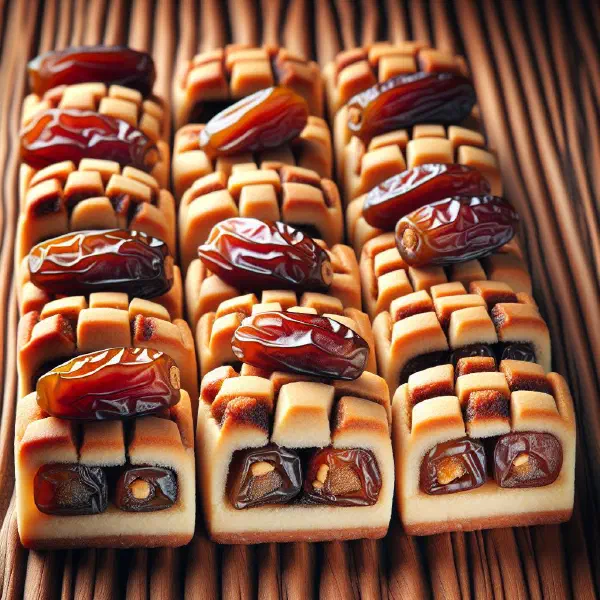
Making aseedah bil asal can be perfected further with a few pointers. Experiment with different types of flour to reach your ideal consistency. You can also work flavourings such as cinnamon or vanilla into the batter for interesting new notes. If you are after a particularly attractive finish, try garnishing with nuts or dried fruit to enrich both the flavour and the look of the dish. The same nutty warmth shines in Date and Nut Bars.
Adapting the recipe to your taste
One of the joys of aseedah bil asal is how easily the recipe can be tailored to personal preference. The sweetness can be adjusted by adding more or less honey to suit your taste. You can also experiment by folding in fruit or spices that you enjoy. Consider trying different serving methods too, pairing the dish with fresh fruit or homemade sauces, for example, much as you might with Sudanese Sweet Dumplings.
Ingredient substitutions
An interesting way to vary aseedah bil asal is to try alternative ingredients. Instead of wheat flour, you can use cornmeal, which gives the dish a different texture. If the honey sauce is not to your liking, you might reach for fruit purées or other useful sweeteners. Swaps like these bring new taste experiences and make the dish exciting for a range of dietary needs.
Drink pairing ideas
A delicious dish like aseedah bil asal deserves the right drink alongside. A fresh mint tea or a fruity yoghurt shake pairs splendidly with it. Beyond that, fruit juices such as mango or pineapple make a refreshing accompaniment that highlights the flavours nicely. Think along the lines of a Sudanese Mango Juice.
Serving and presentation ideas
Presentation plays a decisive part when it comes to serving aseedah bil asal. Use flat plates or bowls to arrange the dish attractively. Garnish the aseedah with nuts or fresh fruit to create a contrast that appeals both to the eye and the palate. It is worth being creative, drawing patterns with honey on the plate, for instance, to decorate the dish in an inviting way.
A bit of history
Aseedah bil Asal is more than a delicious dish; it also carries deep-rooted cultural and traditional meaning within Sudanese cuisine. It is prepared in many households and is often served on special occasions. The combination of the simplest ingredients reflects the culture and way of life of the people of Sudan. Over the centuries this dish has established itself as a symbol of hospitality in Sudanese society, nurturing the bonds between people. It sits comfortably alongside beloved staples of Sudanese cuisine such as Aseedah.
More recipe ideas
Summary: Aseedah bil Asal
In summary, aseedah bil asal is a simple yet thoroughly tasty dish that captures the essence of Sudanese cuisine. With just a handful of ingredients and an uncomplicated preparation, it is ideal for anyone who wants to experience the variety of Sudanese flavours. It invites you to be creative and to play with aromas and textures, making every batch a special experience. This dish is perfect for special occasions, a family breakfast, or simply as a delicious dessert.