National Dish Sudan: Aseedah (Recipe)
In this article
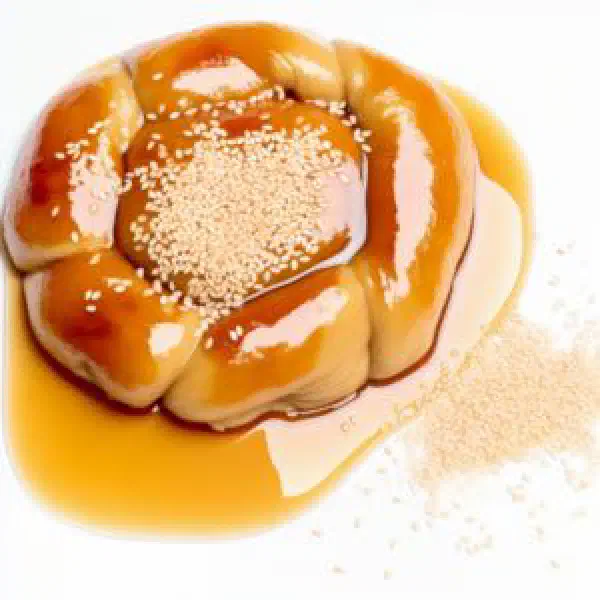
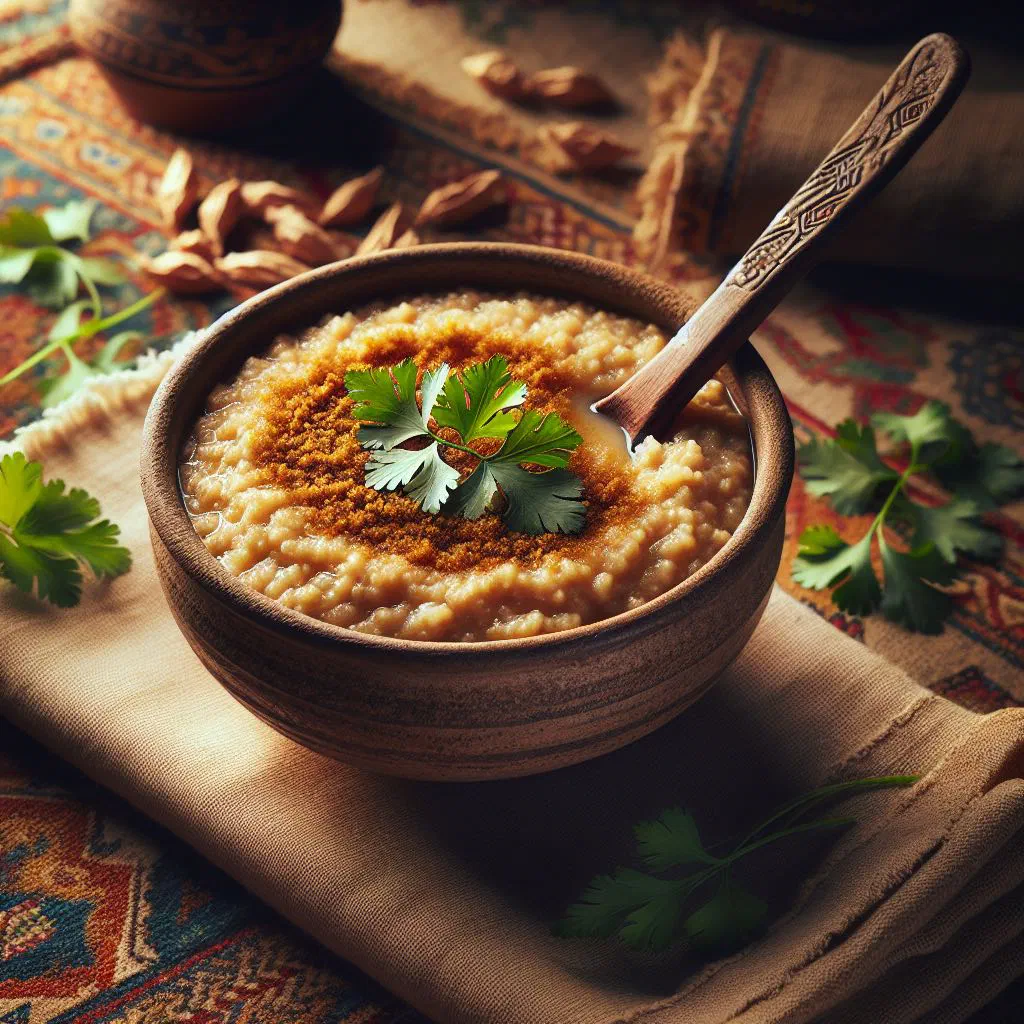
Meet Aseedah, the humble yet deeply satisfying national dish of Sudan. Built from little more than flour and water, it cooks down into a smooth, dough-like mound that is traditionally served with a fragrant, spiced sauce. Simple to make and endlessly welcoming, this is the kind of dish that brings people together around a shared plate, a true taste of Sudanese hospitality that you can recreate in your own kitchen.
About Aseedah
Aseedah is the traditional national dish of Sudan, celebrated for its simple ingredients and its rich, comforting character. This hearty staple is made primarily from wheat flour and water, cooked until it reaches a thick, dough-like consistency that makes it wonderfully filling. A cornerstone of Sudanese cooking, aseedah is usually served with a variety of spiced sauces and side dishes that round out its gentle flavour. Enjoyed as part of a traditional meal, it embodies the warmth, generosity and cultural richness of Sudan.
Ingredients (serves 1–2)
- 210 g wheat flour
- 300 ml water
- A pinch of salt
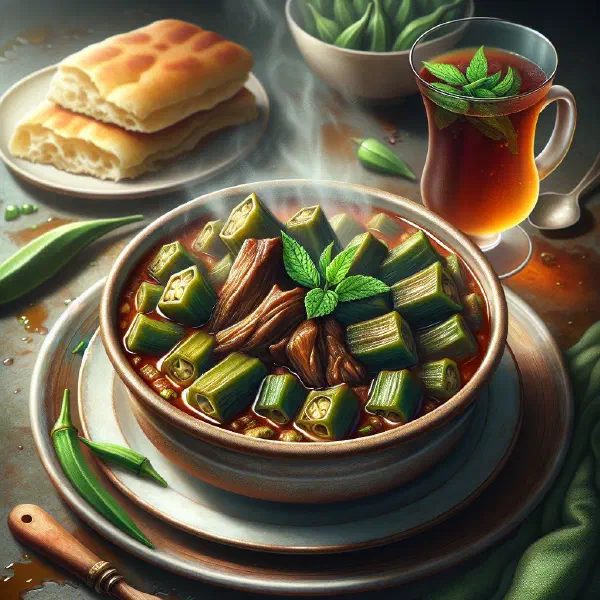
- Spiced sauce (for example with lamb or chicken)
- Side dishes of your choice (such as fried vegetables or salad)
Shopping for the ingredients
When shopping for aseedah, it is worth choosing good-quality wheat flour to get the best result. Sourcing water is straightforward, of course, though fresh, clean water always makes a difference to the final dish. For the spiced sauce you have plenty of options, from lamb and chicken to vegetable-based versions. Regional and seasonal produce brings the freshest flavour and the greatest depth to your cooking.
Preparing the dish
Preparing aseedah begins with getting the ratio of wheat flour to water right. Measure the ingredients carefully and make sure you have a suitable bowl and a whisk to hand. You can also use a food processor to bring the dough together more easily. It is important to work the dough thoroughly so that it develops the correct, smooth consistency.
Step-by-step instructions
- In a bowl, combine the wheat flour with the water and a pinch of salt.
- Knead the dough well until it becomes elastic and smooth.
- Add the water gradually to reach the right consistency.
- Let the dough rest for about 30 minutes.
- Shape the dough into a round mound and cook over medium heat in a non-stick pan until firm and lightly golden.
Gluten-free / lactose-free version
The traditional recipe for aseedah uses wheat flour, which contains gluten. For a gluten-free version, you can use a blend of rice flour and potato starch. These ingredients are gluten-free and lend the dish an interesting texture. Just remember to adjust the amount of liquid accordingly so that you still reach the right consistency.
Tips for vegans and vegetarians
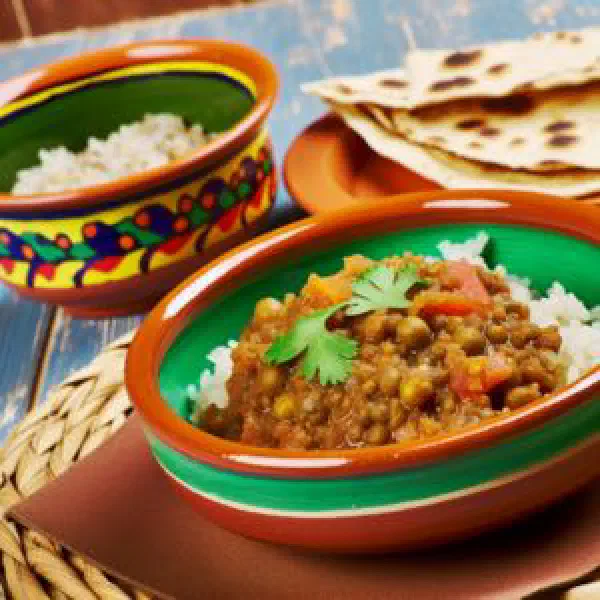
Aseedah is easily made vegan by leaving out any animal products entirely. For a deeper flavour, you can use vegetable stock in place of water. A range of plant-based side dishes works beautifully alongside it, such as pulses or fried vegetables, to make the meal more substantial, much like the hearty Ful Medames. Vegans should also look out for plant-based options when choosing the accompanying sauces.
More tips and tricks
A successful aseedah depends heavily on the consistency of the dough. Make sure it is well kneaded and not too dry. Experiment with different spice blends in the sauce to add your own personal touch. You can also lightly toast the dough in a pan before cooking, which gives it an extra layer of flavour.
Adapting the recipe to your taste
Aseedah is easy to adapt to individual preferences. If you like things hotter, add chilli or a spicy sauce. Alternatively, you can work herbs and spices into the dough itself for a creative twist. Remember that you can choose the side dishes to suit your own taste, whether that means fresh vegetables or an aromatic sauce made from tofu or fruit.
Ingredient substitutions
If wheat flour is not to your liking or you have a gluten intolerance, you can also try other flours such as millet or maize, the same grains that give Millet Bread its character. These flours bring their own unique aromas and textures to the dish. Instead of water, you can use vegetable stock to intensify the flavour. And do not forget to experiment with alternative ingredients in the sauce to create new taste experiences.
Drink pairing ideas
A number of drinks pair well with aseedah and bring out the flavour of the meal. Mint tea is a traditional choice in Sudan, refreshing and a lovely match for the spiced aromas. For a non-alcoholic option, reach for fresh fruit juices such as mango or lemon. A light beer or a not-too-heavy white wine can also stand up nicely to the dish’s savoury notes.
Serving and presentation ideas
To present aseedah attractively, arrange it on a large plate and garnish generously with the side dishes. Fresh herbs add colour and aroma, while a soft flatbread such as Gurasa makes a natural companion at the table. Aseedah is often placed in the centre of the table, encouraging a sociable, shared atmosphere. Small bowls for the sauces make serving easier and let guests choose their own flavours.
A bit of history
Aseedah has deep roots in Sudanese culture and has long been regarded as a staple food across the region. Its preparation has evolved over generations, with local ingredients always playing a central role. The dish is frequently served during festivities and special occasions, and it is a symbol of the hospitality of the Sudanese people. With aseedah, you serve a meal and a connection to the culture and traditions that run through all of Sudanese cuisine.
More recipe ideas
Summary: Aseedah
Aseedah is far more than just a dish; it is a part of the culture and history of Sudan. With its simple ingredients, satisfying consistency and versatile preparation, aseedah offers a truly distinctive eating experience. It is a recipe well worth trying. Let the hospitality of Sudan inspire you and enjoy aseedah at your next shared meal.