National Dish Sudan: Biryani (Recipe)
In this article
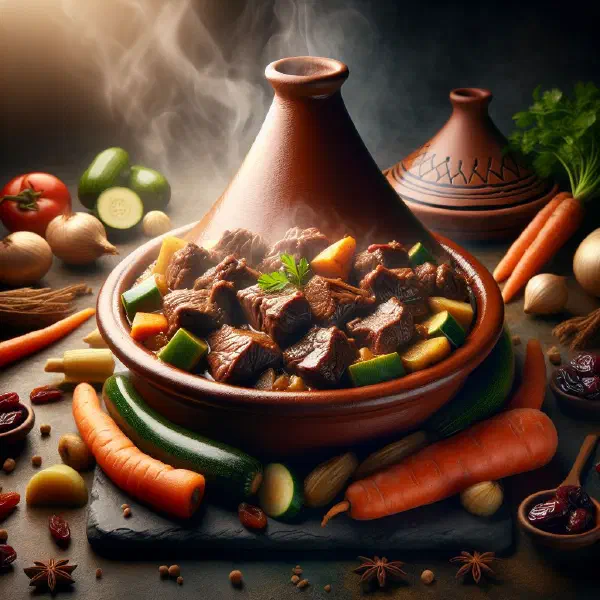
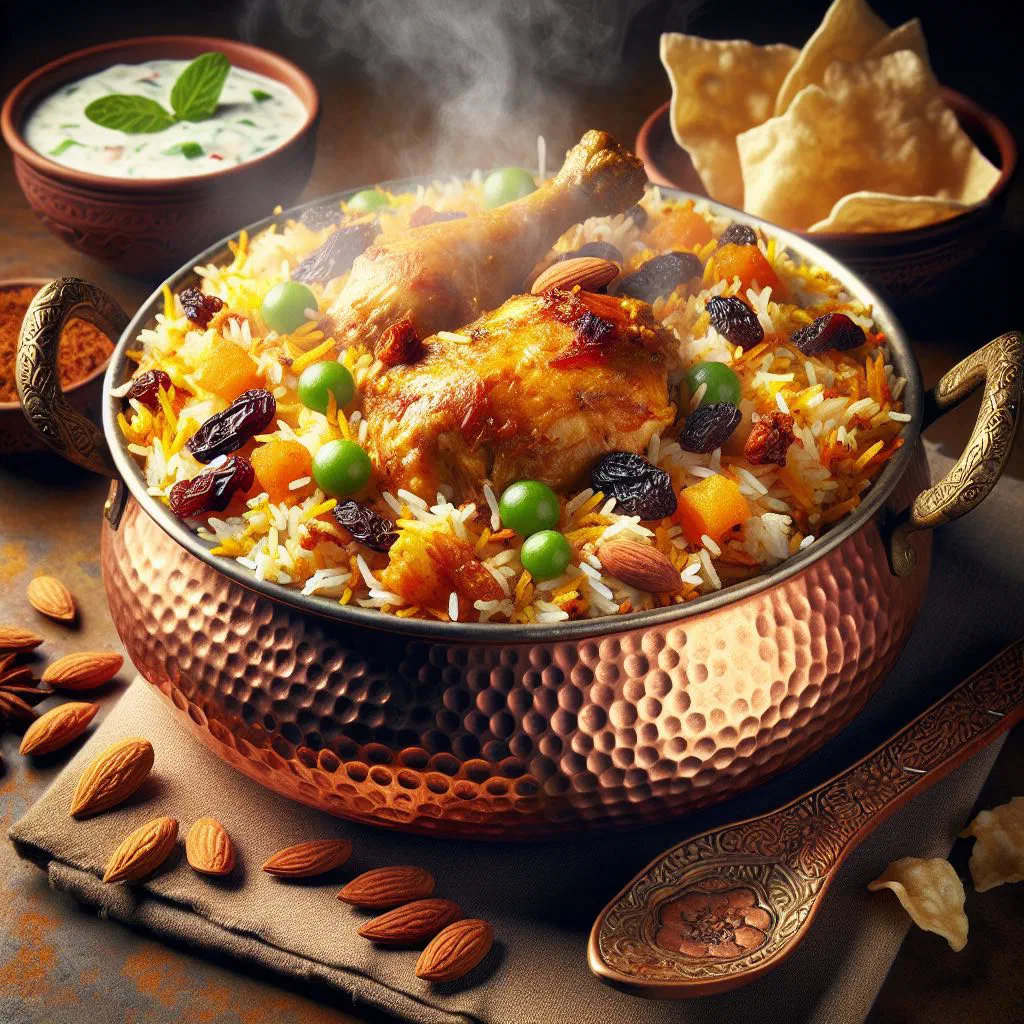
Discover Biryani, a fragrant rice dish that Sudan has made entirely its own. Tender meat, aromatic basmati rice and a lavish blend of spices come together into a meal that feels like a celebration on a plate. Warm with cumin, turmeric and bay, it is the kind of dish that draws everyone to the table. Bring the flavours of a Sudanese feast into your own kitchen with this timeless classic.
About Biryani
Biryani is a traditional dish cherished across many countries, and the Sudanese version has a character all its own. At its heart lies fragrant rice layered with succulent meat or vegetables and a generous range of spices that give the dish its unmistakable flavour. In Sudan, biryani is often made with beef or chicken, and every cook keeps a secret blend that makes their version special. The marriage of rice and spice turns this into a much-loved festive dish, frequently served on special occasions.
Ingredients (serves 1–2)
- 200 g basmati rice
- 250 g chicken (or beef)
- 1 large onion
- 2 cloves garlic
- 1 teaspoon ginger paste
- 400 ml vegetable or chicken stock
- 2 tablespoons ghee or oil
- 2 bay leaves
- 1 teaspoon cumin
- 1 teaspoon ground turmeric
- Salt and pepper, to taste
- Fresh coriander leaves, to garnish
Shopping for the ingredients
To make a delicious biryani, it is worth gathering the right ingredients. Many of them are easy to find in a regular supermarket, while more specialist spices may turn up in an Asian or Indian grocery. Basmati rice is especially suited to this dish, as it stays light and fluffy and soaks up the aromas beautifully. Fresh herbs such as coriander and mint can often be bought at the market and lend the dish a bright, fresh note.
Preparing the dish
Preparing a proper Sudanese biryani involves a few steps that are key to building up the flavours. Begin by soaking the basmati rice in cold water so it absorbs the liquid more readily during cooking. Meanwhile, chop the onions and garlic and cut the meat into pieces. Keep your spices to hand, as they need to be added quickly once the cooking gets under way.
Step-by-step instructions
- Fry the onions in ghee or oil until golden brown.
- Add the garlic and ginger and cook briefly until fragrant.
- Add the meat to the pan and brown it lightly on all sides.
- Stir in the spices and bay leaves and mix well.
- Pour in the stock and bring to the boil, then reduce the heat and simmer the meat for about 20 minutes.
- Drain the soaked rice and add it gently to the pan.
- Pour in the remaining stock, mix everything well and bring to the boil.
- Lower the heat, cover with a lid and cook gently for about 15 minutes.
- Take the pan off the heat and leave it to stand for a further 10 minutes so the flavours settle.
- Scatter with fresh coriander before serving and enjoy.
Gluten-free / lactose-free version
The good news is that Sudanese biryani is naturally gluten-free and lactose-free, provided you use the right ingredients. Make sure the ghee or oil you choose is lactose-free. The spices are usually gluten-free too, so there is nothing to worry about there. That makes this dish a fine choice for a wide range of dietary needs.
Tips for vegans and vegetarians
For a vegan or vegetarian take on biryani, simply swap the meat for vegetables such as carrots, peas and potatoes. You can deepen the flavour further with plant-based stock and a few extra spices. Tofu or chickpeas also make a satisfying source of protein. This dish adapts easily to different preferences without losing any of its delicious flavour, much like a hearty Spiced Chickpea Stew.
More tips and tricks
To make sure your biryani turns out perfectly, a few handy tips are worth keeping in mind. Don’t cook the rice for too long, or it will turn mushy. Instead, cook it just short of the point you want and let it finish in the covered pan off the heat. Experiment with the quantities of your ingredients to find your own personal touch. Spices can vary easily depending on what you have to hand or which flavours you prefer.
Adapting the recipe to your taste
Another wonderful feature of Sudanese biryani is its versatility. You can pick different types of meat to suit your taste, and various vegetables or pulses can be added to make the dish even more nourishing. Depending on the region of Sudan, special local spices may also be used to give the dish a distinctive note of their own.
Ingredient substitutions
If some of the ingredients are not available, biryani offers plenty of alternatives. Instead of basmati rice you could use jasmine rice or another long-grain variety, though the flavour may differ slightly. For a vegetarian version, the chicken can be replaced with jackfruit or seitan. Fresh herbs can likewise be swapped according to the season to keep that bright, fresh taste, the same rice-forward spirit you’ll find in Sudanese Spiced Rice.
Drink pairing ideas
To round off the experience of Sudanese biryani, you can serve a variety of drinks. A refreshing mint tea is a popular choice that pairs well with the spiced character of the dish. Alternatively, a fruity pomegranate or mango lemonade harmonises nicely. These drinks support the flavour and add to the festive feel of the meal.
Serving and presentation ideas
An attractive presentation helps to make biryani even more appealing. Serve it in a large, decorative dish and scatter over fresh herbs and toasted nuts. For extra colour, arrange steamed vegetables around the dish. Colourful sides such as salads or raita also help you serve the dish beautifully and heighten the pleasure of the meal.
A bit of history
Biryani has a long history reaching back to ancient India, spreading across the Arab world through trade routes and cultural exchange. In Sudan, local variations have developed that reflect the country’s culinary traditions. Each region of Sudan has its own ingredients and methods of preparation, which is what makes the dish so unique. As a result, biryani has become a symbol of celebration and sociable gatherings within Sudanese cuisine.
More recipe ideas
Summary: Biryani
In short, Sudanese biryani is a delicious and versatile dish that suits all sorts of occasions. It brings together a wealth of aromas and textures that make every bite a pleasure. This dish is sure to be a hit with your guests. Treat yourself and your loved ones to this good recipe that captures the quality of Sudanese cooking.