National Dish Sudan: Dukhun Porridge (Recipe)
In this article
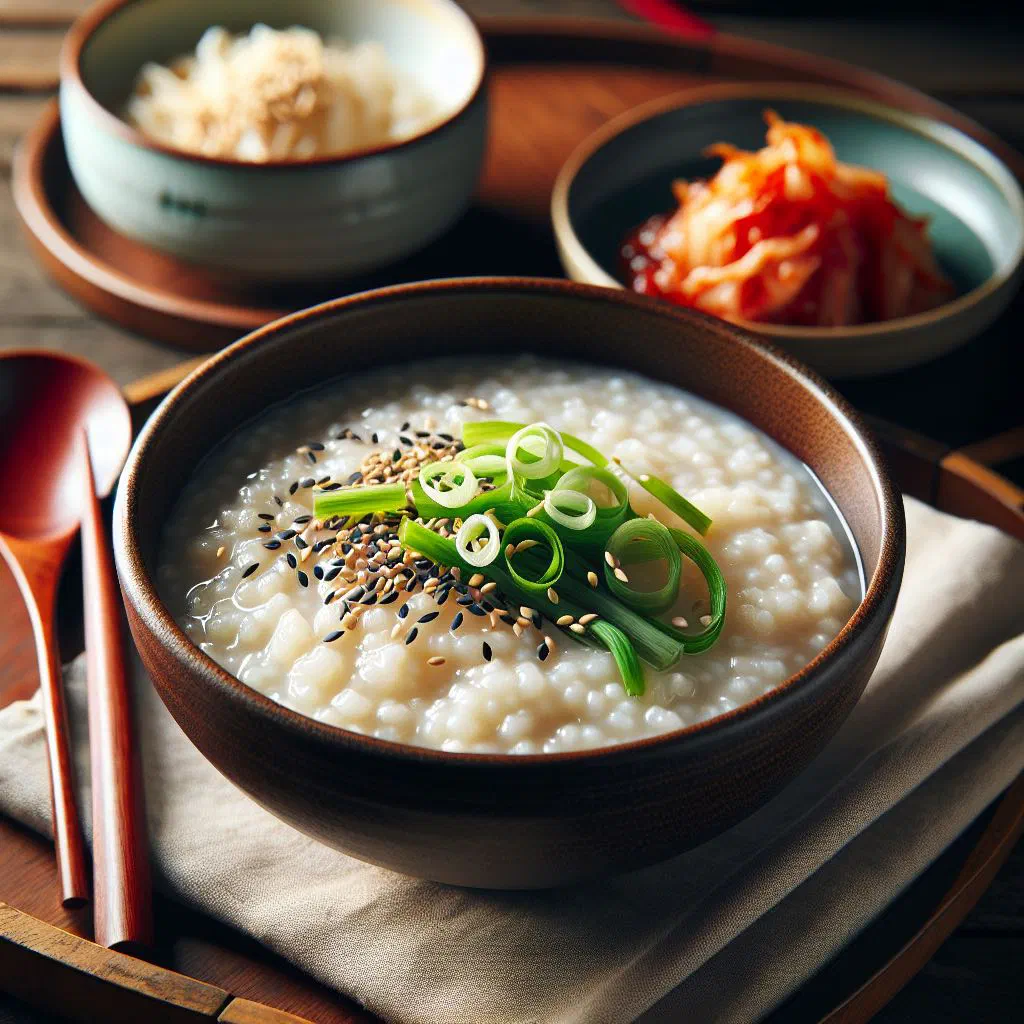
Meet Dukhun Porridge, a nourishing bowl of comfort from the heart of Sudan. Made from humble grains such as millet or sorghum simmered gently into a warm, creamy porridge, it is the kind of dish that has fed families for generations. Lightly spiced and easily sweetened to taste, it makes a wholesome breakfast or a filling meal at any time of day. Bring the honest, homely flavours of Sudan straight to your own kitchen.
About Dukhun Porridge
Dukhun Porridge is a traditional dish from Sudan, celebrated for its nourishing, hearty flavours. The main ingredients are millet or sorghum, cooked together with a few gentle spices into a smooth, creamy porridge. The dish reflects the cultural richness of Sudan and is often served at breakfast or as a satisfying meal in its own right. Dukhun Porridge is delicious and a loving tribute to the traditions and customs of the Sudanese people.
Ingredients (serves 1–2)
- 1 cup millet or sorghum
- 4 cups water
- 1 tsp salt
- 1 tsp cumin (optional)
- 1 tbsp honey or sugar (to taste)
- Fresh fruit or nuts, to garnish
Shopping for the ingredients
The ingredients for dukhun porridge are usually available in Asian or ethnic grocery shops. Millet and sorghum are healthy, gluten-free alternatives to more common grains, offering a distinctive taste and excellent nutritional value. Fresh fruit and nuts to garnish the dish can be found at local markets or supermarkets. Availability can vary over time, so it is worth scouting out a few different options in your area, much as you might when tracking down the grains for Millet Bread.
Preparing the dish
To make sure your dukhun porridge has the best possible texture and flavour, rinse the millet or sorghum thoroughly under running water before cooking. This removes any unwanted grit and gives the porridge a smoother finish. You can then adjust the spices and sweeteners to your own liking, tailoring the dish exactly to your taste. Good preparation also makes the cooking that follows far easier and helps create a harmonious result.
Step-by-step instructions
- Rinse the millet or sorghum in a sieve under running water.
- Bring 4 cups of water to the boil in a pan together with 1 tsp of salt.
- Add the millet or sorghum and reduce the heat.
- Simmer gently for about 25–30 minutes, until the water is absorbed and the porridge has reached your desired consistency.
- Sweeten to taste with honey or sugar and add spices as you like.
- Spoon the porridge into bowls and garnish with fresh fruit or nuts.
Gluten-free / lactose-free version
Dukhun Porridge is naturally gluten-free, since its main ingredients are millet or sorghum, neither of which contains gluten. That makes it a perfect choice for anyone with coeliac disease or a gluten intolerance. The recipe is also easily made lactose-free by leaving out dairy or replacing it with plant-based alternatives. This makes the dish a wonderful option for anyone with special dietary needs.
Tips for vegans and vegetarians
Dukhun Porridge lends itself beautifully to a vegan or vegetarian diet. To make the dish extra indulgent for vegans, use plant-based milk alternatives such as almond or coconut milk for added creaminess. Fruit and nuts as a topping bring extra nutrients and make the porridge even more flavourful. The result is an energising breakfast that is vegan and healthy and filling.
More tips and tricks
To get the most out of your dukhun porridge, remember that you can adjust the consistency to suit your taste. For a thicker porridge use a little less water; for a thinner one, add more. You can also experiment with different spices, such as cinnamon or cardamom, to vary the flavour. A pinch of vanilla lifts the whole dish and adds an intriguing note.
Adapting the recipe to your taste
Dukhun Porridge is so adaptable that you can easily tailor it to your personal preferences. If you fancy a little more sweetness, try maple syrup or agave nectar. The choice of fruit for garnishing can vary too, depending on the season and what is available. In this way you can reinvent the dish again and again and keep bringing variety to your table.
Ingredient substitutions
If millet or sorghum are hard to find, other grains such as quinoa or rice work well and may be easier to get hold of. The flavour will differ, but the method stays much the same, the same principle that lets a Cinnamon Rice Pudding shine. Instead of honey, alternative sweeteners such as stevia or coconut sugar make for a healthier option. Be bold and try different combinations to discover new flavours.
Drink pairing ideas
Plenty of drinks pair well with dukhun porridge and round out the dish beautifully. A freshly brewed herbal tea or a cup of black coffee makes a lovely accompaniment, offering an aromatic counterpoint to the porridge. Alternatively, serve homemade fruit juice or smoothies for a refreshing, nourishing breakfast. For something with a warm, spiced edge, a cup of Cardamom Spiced Tea is hard to beat. These drinks enhance the flavour and give you an energising start to the day.
Serving and presentation ideas
The way you present your dukhun porridge can lift the whole eating experience. Serve the porridge in colourful bowls and garnish it creatively with fresh fruit, nuts or seeds. Use edible flowers for decoration to add an elegant touch. An appealing presentation whets the appetite and heightens the pleasure of the meal.
A bit of history
Dukhun Porridge has a long history in Sudan and belongs to the traditional dishes passed down from generation to generation. It was once a staple food in rural areas, where millet and sorghum were widely grown. Preparing the porridge is a culinary practice and a social act, fostering community and togetherness, a spirit shared with much of Sudanese cuisine. Today it is growing ever more popular in urban areas too, reflecting a renewed interest in traditional cooking.
More recipe ideas
Summary: Dukhun Porridge
In short, Dukhun Porridge is a delicious and nourishing choice for any breakfast or meal. This traditional Sudanese dish is wonderfully adaptable and easy to prepare. Give it a try and enjoy the flavours of Sudan in your own home.