National Dish Sudan: Fish Tagine (Recipe)
In this article
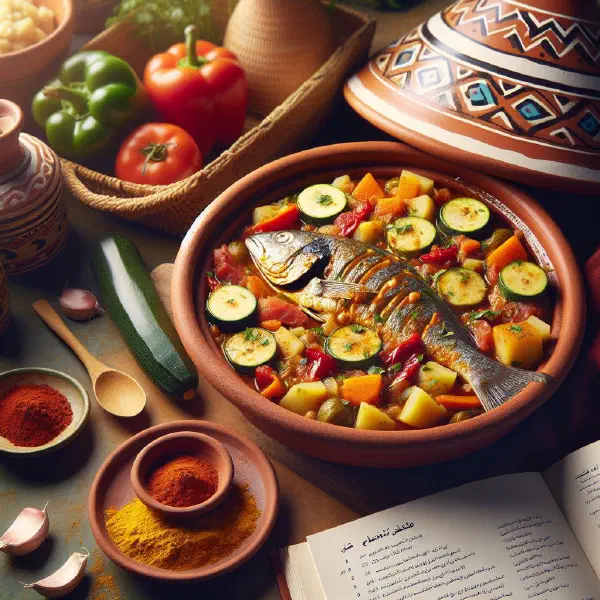
Discover Fish Tagine, a fragrant fish stew that carries the warm flavours of Sudan straight to your table. Fresh fish is gently steamed over a bed of juicy vegetables and aromatic spices in a traditional clay pot, so every mouthful stays tender and full of flavour. It is the kind of dish that turns a simple supper into a small celebration. Perfect for anyone keen to explore something new.
About Fish Tagine
Fish Tagine is a traditional Sudanese dish that wins people over with its rich flavours and its generous mix of ingredients. It is cooked in a special tagine pot, whose shape and materials help the aromas stay intense while keeping everything beautifully tender. The combination of fresh fish, aromatic spices and succulent vegetables makes it a real feast. Anyone in search of new culinary experiences should give this dish a try.
Ingredients (serves 1–2)
- 400 g fresh fish (such as sea bream or tilapia)
- 1 onion, chopped
- 2 cloves of garlic, chopped
- 1 small courgette, diced
- 1 pepper, diced
- 2 tomatoes, peeled and diced
- 2 tablespoons olive oil
- 1 teaspoon cumin
- 1 teaspoon coriander
- Salt and pepper to taste
- Fresh coriander or parsley, to garnish
Shopping for the ingredients
To gather the ingredients for Fish Tagine, your best bet is a local market or a shop that specialises in international produce. Ideally, buy the fresh fish on the same day you cook, as this guarantees the best flavour and quality. When choosing vegetables, look for ripe, blemish-free produce, since fresh ingredients are key to the success of the dish. Spices are usually easy to find in health-food shops or the seasoning aisle of your supermarket.
Preparing the dish
Preparing Fish Tagine is straightforward and fuss-free. Start by washing and prepping all the ingredients before you begin cooking. Cut the vegetables into even dice so they cook at the same rate. Remember to handle the fish gently so it does not break apart; it is best cut into large pieces that sit neatly in the tagine.
Step-by-step instructions
- Heat the olive oil in the tagine over medium heat.
- Add the chopped onion and garlic and sauté until softened.
- Add the remaining vegetables (courgette, pepper, tomatoes) to the tagine and stir everything together well.
- Add the spices, salt and pepper, and let it all simmer for 5–7 minutes.
- Lay the fish pieces carefully over the vegetables, cover with the lid and cook for about 15–20 minutes.
- Serve the dish hot, garnished with fresh coriander or parsley.
Gluten-free / lactose-free version
A great bonus of Fish Tagine is that it is naturally gluten-free and lactose-free. All the ingredients used are free from gluten and lactose, which makes the dish ideal for anyone with those intolerances. If you would still like to add sides such as bread or rice, be sure to choose gluten-free options. That way you can enjoy the dish to the full without missing out on a thing.
Tips for vegans and vegetarians
For anyone eating a vegan or vegetarian diet, there is also a delicious version of Fish Tagine. Instead of fish you could use firm tofu or a range of vegetables, such as aubergines or mushrooms. These alternatives soak up the flavours of the spices wonderfully and bring a new, interesting combination to the table. Just remember to adjust the cooking times to achieve the best texture.
More tips and tricks
To get the most out of your Fish Tagine, you can add different regional spices to deepen the flavour. Ras el hanout, a traditional North African blend, lends a marvellous extra note, for example. Use fresh ingredients too, for a truly authentic taste experience. The fresher the ingredients, the more intense and aromatic the dish will be.
Adapting the recipe to your taste
The wonderful thing about Fish Tagine is its versatility. You can easily adapt the ingredients to your personal preferences by choosing other vegetables or types of fish. The spices can vary to taste as well; experiment with the quantities to find the balance that is just right for you. The dish lends itself brilliantly to creative variations and invites you to try new combinations, much like a hearty Beef Tagine.
Ingredient substitutions
If you do not have some of the listed ingredients to hand, alternatives are quick to find. Instead of fresh fish you can use frozen fish, thawed as needed. For the vegetables, seasonal produce works well to guarantee flavour and quality. In place of coriander you can also use parsley or dill, depending on your preference.
Drink pairing ideas
Light, refreshing drinks go beautifully with Fish Tagine. A chilled white wine or a lively rosé pairs perfectly with the flavours of the dish. For an alcohol-free option, you might serve a ginger lemonade or sparkling water with fresh citrus. A classic mint tea is another lovely accompaniment, bringing an extra touch of North Africa to your table.
Serving and presentation ideas
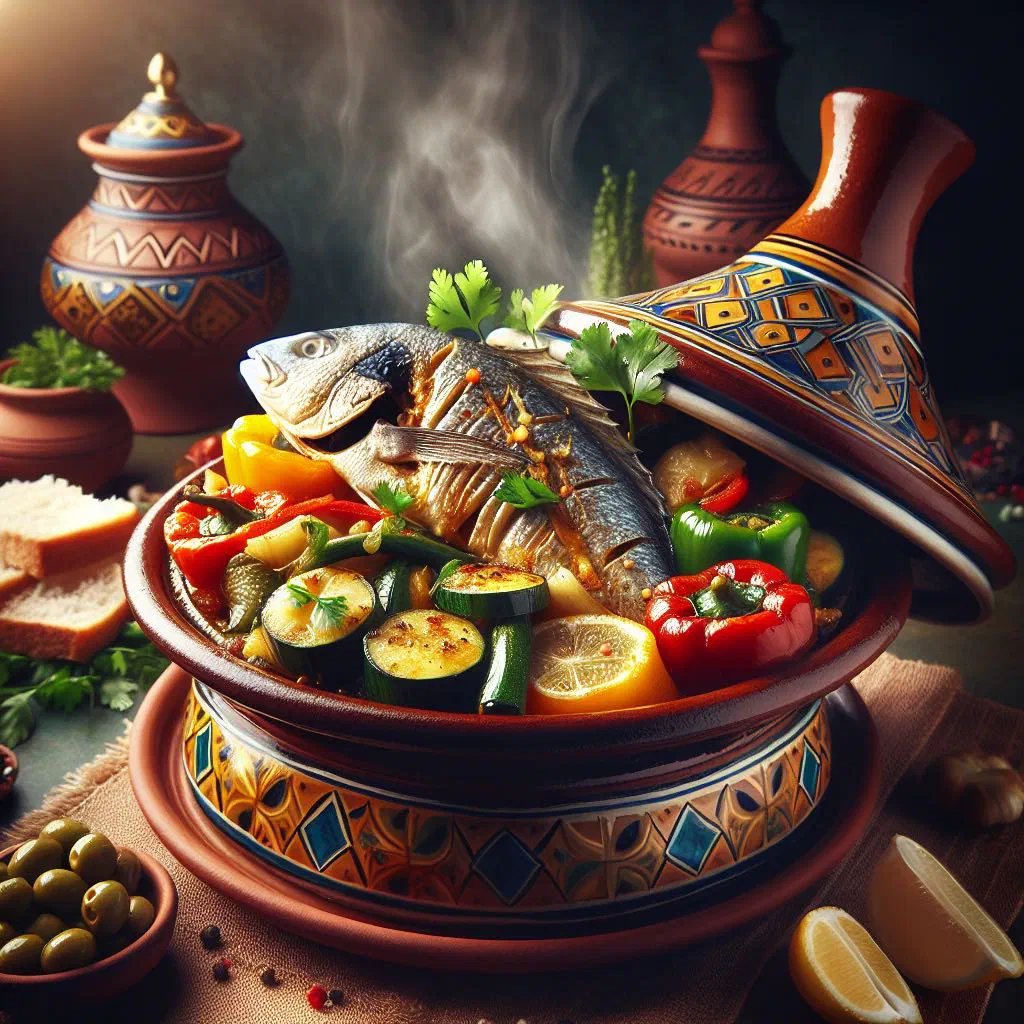
Presentation plays an important part when serving Fish Tagine. Bring the dish to the table straight in the tagine pot to create a rustic, authentic mood. Garnished with fresh coriander and a few lemon slices, it looks appealing and gains extra freshness. Use a colourful tablecloth and a few oriental touches to turn dinner into a memorable experience.
A bit of history
Fish Tagine is part of Sudan’s rich cultural tradition. Cooking food in a tagine has its origins in North African cuisine and is marked by a wealth of flavours and ingredients. This dish brings together influences from various cultures and is a fine example of the culinary diversity of Sudanese cuisine. It is a symbol of hospitality and is often served at family gatherings or special occasions.
More recipe ideas
Summary: Fish Tagine
To sum up, Fish Tagine is a unique and delicious dish that brings the flavours of Sudan a little closer. It offers a wealth of possibilities, for meat lovers and vegetarians and vegans alike. With fresh ingredients, aromatic spices and an appealing presentation, this dish will pleasure every palate. Give it a try and discover for yourself just how varied and exciting Sudanese cooking can be.