National Dish Sudan: Gurassa (Recipe)
In this article
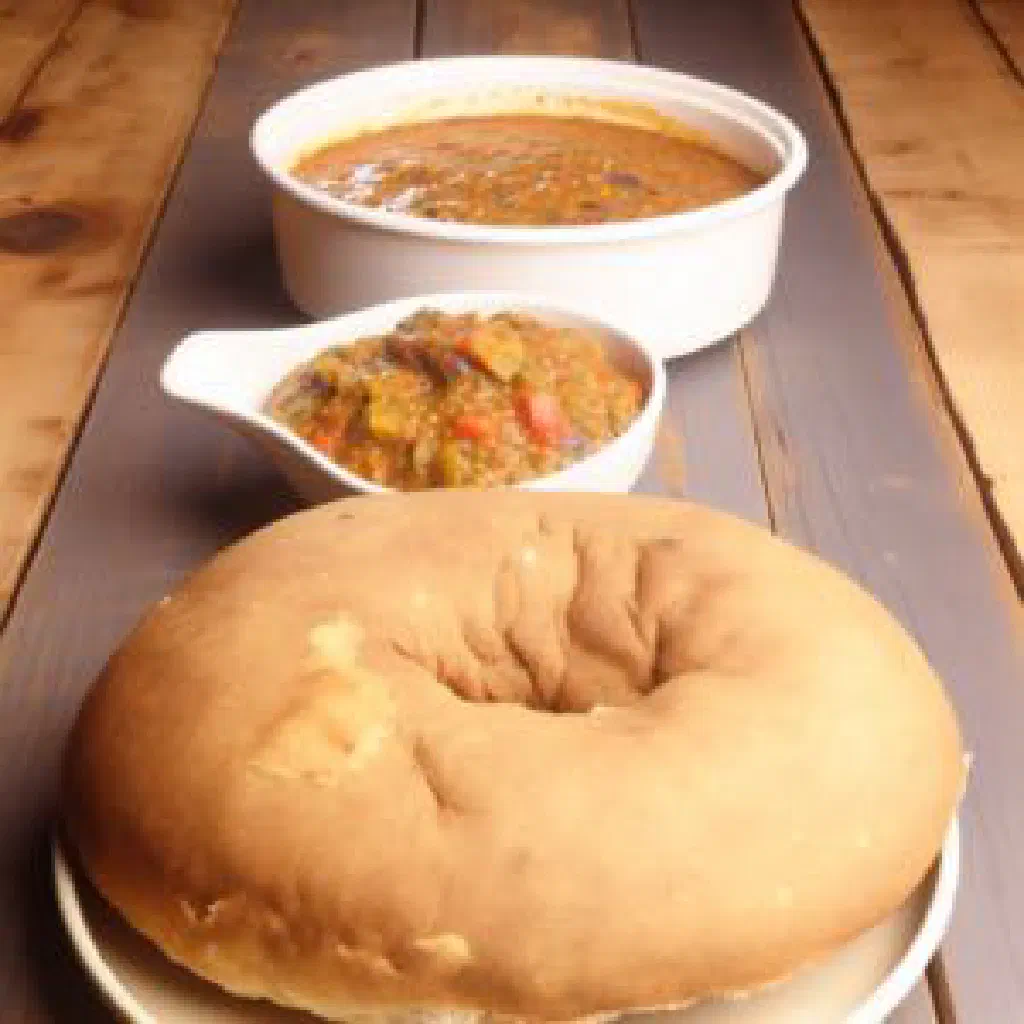
Meet Gurassa, the soft, golden flatbread that sits at the heart of the Sudanese table. Made from just a handful of everyday ingredients, this versatile bread is a comforting staple that turns up alongside hearty stews, sweet spreads and everything in between. Simple to prepare yet deeply satisfying, Gurassa carries the warmth of Sudanese home cooking straight into your own kitchen.
About Gurassa
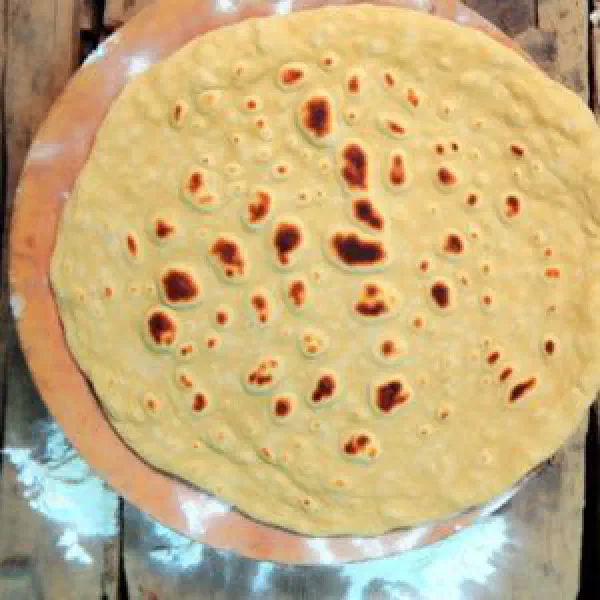
Gurassa is a traditional flatbread that hails from Sudan, where it is much loved and woven into everyday meals. This delicious bread is made from simple ingredients and forms an essential part of countless dishes. What sets Gurassa apart is its versatility, since it happily pairs with both savoury and sweet foods. Gurassa has earned a firm place in Sudanese food culture.
Ingredients (serves 1–2)
- 250 g wheat flour
- 200 ml water
- 1 teaspoon salt
- 1 tablespoon vegetable oil (optional)
Shopping for the ingredients
The ingredients for Gurassa are easy to find and can be picked up in any supermarket or Middle Eastern grocery. If you prefer wholemeal flour, you can use that instead for a healthier variation. It is worth reaching for fresh flour to get the best results. Should you choose to add oil, opt for a good-quality vegetable oil so the flavour of the bread comes through at its best.
Preparing the dish
Before you start making Gurassa, it pays to gather all your ingredients together. A clean work surface and the right kit, a bowl, a rolling pin and a frying pan, are all you need. Measure everything out accurately for a flawless result. The preparation is refreshingly straightforward, so you will have a tasty bread on the table in no time.
Step-by-step instructions
- In a large bowl, combine the flour and the salt.
- Gradually add the water, stirring well to bring the dough to an even consistency.
- Knead the dough until it is smooth and elastic, working in a little vegetable oil if needed.
- Leave the dough to rest for about 30 minutes so it can relax and rise slightly.
- Divide the dough into small portions and roll each one out thinly.
- Heat a pan and cook the flatbreads until golden brown on both sides.
Gluten-free / lactose-free version
For a gluten-free version of Gurassa, use gluten-free flour, which is widely available in supermarkets. You could try a blend of rice, chickpea or other gluten-free flours. The method stays much the same, though you may need to adjust the amount of water to reach the right dough. No changes are needed for a lactose-free variation, as the basic ingredients of Gurassa are already free from dairy.
Tips for vegans and vegetarians
Gurassa is naturally vegan and contains no animal products at all. To give the bread an extra lift, you can add various herbs or spices to suit your taste. Toppings such as avocado, hummus or grilled vegetables make ideal additions that are both nourishing and filling, much like the flavours you would find in a bowl of Foul. That way, vegans and vegetarians alike can enjoy the flavours of Sudan.
More tips and tricks
To make sure your Gurassa turns out perfectly every time, take care to preheat the pan well before cooking. This guarantees that the bread cooks evenly and crisps up nicely. If you want to keep the bread for later, you can freeze it and warm it through when needed. You can also enrich the dough with caraway or coriander for an extra layer of aroma.
Adapting the recipe to your taste
The Gurassa recipe is easy to tailor to your own preferences. Feel free to experiment with different types of flour, or vary the amount of salt to taste. If you prefer things on the sweeter side, add a pinch of sugar or a drizzle of honey.
Ingredient substitutions
If you would rather not use vegetable oils, alternatives such as olive oil or coconut oil lend the dough a distinctive character. There are also various flours you can turn to depending on what is available. Oat flour or graham flour, for example, can offer an interesting alternative base for Gurassa. Experiment with different ingredients and discover new flavours along the way.
Drink pairing ideas
Gurassa goes beautifully with a wide range of drinks. Traditionally it is often served with Arabic coffee or a Sudanese Spiced Tea, which complement the flavours of the bread wonderfully. A refreshing lime juice or a fruity smoothie, such as a Sudanese Mango Juice, are also great options for rounding out the meal. Try different combinations to find your perfect accompaniment.
Serving and presentation ideas
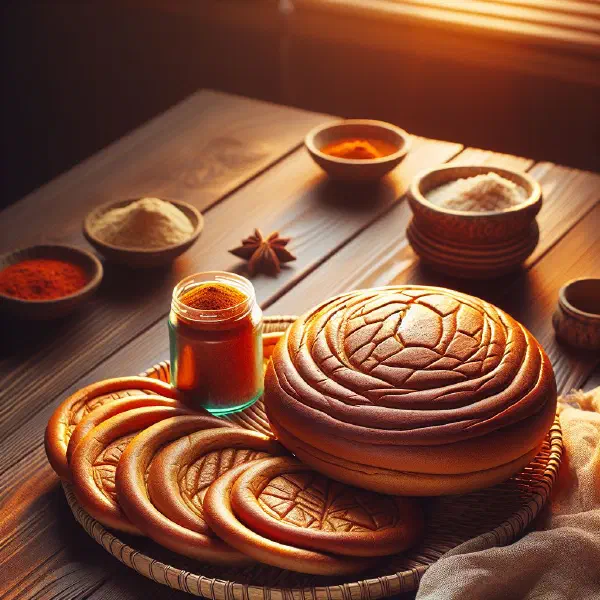
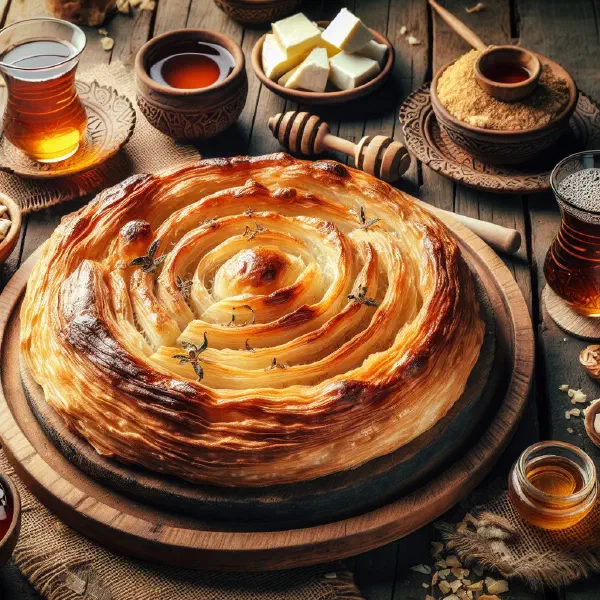
To present Gurassa attractively, serve it alongside a selection of dips and spreads. A colourful plate of fruit or vegetables next to the bread creates a festive atmosphere. Use bright colours and fresh ingredients to boost the visual appeal. You might also arrange the bread on a rustic wooden board or in a traditional basket to highlight its cultural roots.
A bit of history
Gurassa has a long history and is firmly rooted in many of Sudan’s cultures. It was originally prepared as a staple food for local communities and formed part of countless traditional feasts and celebrations. The recipe has evolved across generations and reflects the richness and diversity of Sudanese cuisine. Today Gurassa is an everyday food and a symbol of Sudanese identity.
More recipe ideas
Summary: Gurassa
Gurassa is more than just a simple flatbread; it is a piece of Sudan’s cultural heritage, marked by variety, flavour and the ease of its preparation. Gurassa enriches every meal and offers plenty of scope for adapting to different dietary needs. With the right ingredients and by following the method, you can easily bake this wonderful bread at home. Let it inspire you and enjoy the flavours of Sudan in your own kitchen.