National Dish Sudan: Harees (Recipe)
In this article
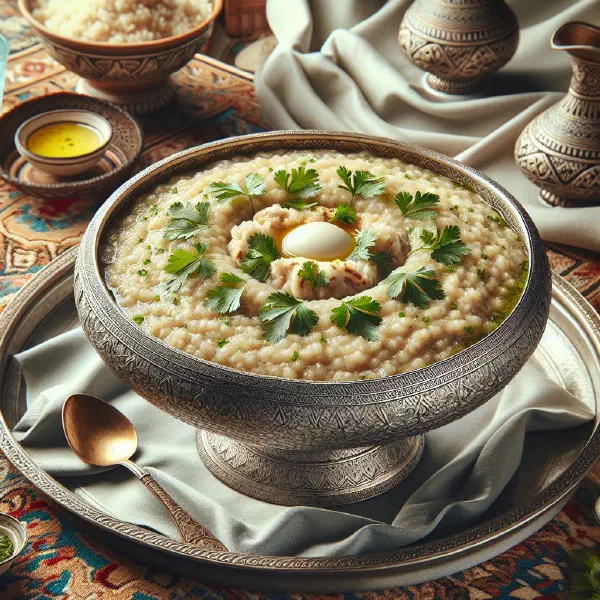
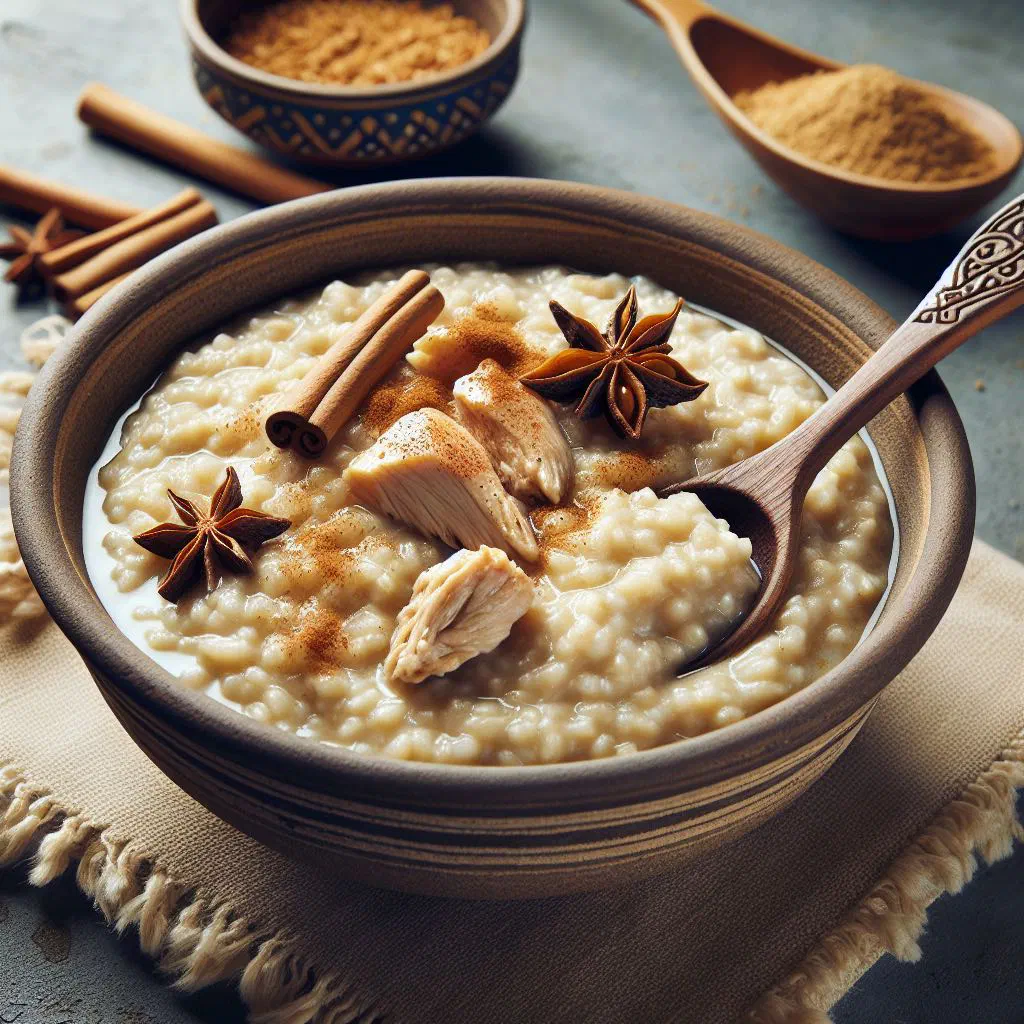
Meet Harees, a soul-warming classic from Sudan that turns a handful of humble ingredients into something truly memorable. Tender wheat berries are slow-cooked with aromatic meat until the two melt together into a rich, porridge-like dish, gently perfumed with cumin and cinnamon. It is the sort of nourishing, generous food that graces festive tables and family gatherings alike. Warm, comforting and deeply satisfying, harees is well worth the patient simmer it asks of you.
About Harees
Harees is a traditional dish from Sudan built around a comforting combination of tender wheat berries and aromatic meat. This hearty speciality carries a deep cultural significance and is often served on festive occasions. Its flavour is rounded out by a careful blend of spices that lend the dish a character all its own. More than simply a delicious meal, harees is genuinely nourishing and filling, the kind of food that brings people together around the table.
Ingredients (serves 1–2)
- 200g wheat berries
- 300g lamb or beef
- 1 onion, diced
- 2 tablespoons ghee or oil
- 1 litre water or stock
- 1 teaspoon salt
- 1 teaspoon ground cumin
- 1 teaspoon cinnamon
- Optional: fresh herbs, to garnish
Shopping for the ingredients
Before you begin making harees, gather everything you need from a supermarket or a well-stocked Middle Eastern grocery. Choose good-quality wheat berries and fresh meat to get the very best flavour from the dish. The spices matter just as much for authenticity, so look for them in a shop with a good range. It is also worth picking up some fresh herbs to garnish the finished dish and give it a decorative lift.
Preparing the dish
Making harees takes a few preparatory steps to ensure the dish delivers its full flavour. First, soak the wheat berries overnight so they soften properly during cooking. The meat can be cut into pieces and marinated in spices to build a deeper aroma. Make sure the onion is diced and everything is laid out ready before you start, so the cooking runs smoothly from beginning to end.
Step-by-step instructions
- Drain the soaked wheat berries and add them to a large pot together with the meat.
- Add the diced onion and the ghee, and let everything brown lightly.
- Pour in the water or stock and bring the mixture to the boil.
- Turn the heat down low and let it simmer gently for around 1–2 hours, until the meat is tender.
- Mash the wheat berries with a wooden spoon or blend them to reach the consistency you want.
- Season with salt, cumin and cinnamon, and continue to simmer a little longer if needed.
- Garnish with fresh herbs just before serving.
Gluten-free / lactose-free version
Harees is naturally a lactose-free dish, though the wheat at its heart can be swapped out for those avoiding gluten. In place of wheat berries you can use gluten-free grains such as quinoa or rice for a gluten-free version. Use plant-based fats instead of ghee to keep the dish suitable for a lactose-free diet as well. These small adjustments preserve the hearty flavour that makes harees so special.
Tips for vegans and vegetarians
To prepare harees for vegans and vegetarians, the meat can be replaced with plant proteins such as tofu, tempeh or a hearty vegetable. Use vegetable stock to deepen the flavour in place of a meat-based one. The spices and the method stay exactly the same, allowing those warming, savoury aromas to develop beautifully. Served this way the dish works wonderfully as a main course or a nourishing side, much like a comforting Lentil Soup.
More tips and tricks
A few tips will help you get even more from your harees. Reach for freshly ground spices rather than pre-ground ones to intensify the aroma. Experiment with extra additions such as dried fruit or nuts for interesting texture and contrast. Cooking the dish in a heavy casserole pot encourages even, gentle heat, so nothing catches on the bottom. Little touches like these make sure the finished dish turns out perfectly every time.
Adapting the recipe to your taste
Harees is easy to adapt to suit different palates. You might use a different cut or type of meat, or lean on vegetarian alternatives to reflect your own culinary preferences. You can also vary the quantity of spices to make the dish more or less pronounced, depending on how bold you like your food. The important thing is to keep the core principles of the dish intact so its authentic character shines through.
Ingredient substitutions
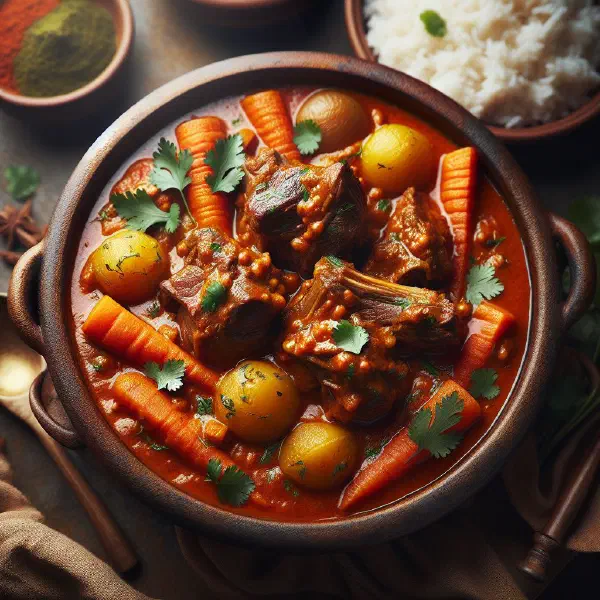
If you do not have certain ingredients to hand, there are plenty of alternatives to fall back on. Instead of lamb, you might use chicken or even fish to give harees a fresh twist, the same versatility you find in a Sudanese Lamb Curry. In place of wheat berries, millet or roasted chickpeas work nicely. Substitutions like these bring welcome variety without losing sight of the dish’s essential concept.
Drink pairing ideas
A number of drinks pair beautifully with a bowl of harees. A gentle mint tea complements the spices and offers a refreshing pause between mouthfuls. A yoghurt drink, sometimes known as ayran, harmonises wonderfully with the seasoning and makes for an interesting contrast. You could also serve fresh fruit juices or simply sparkling water to round out the flavours and let the meal shine. Try a cooling Lemon Mint Juice alongside.
Serving and presentation ideas
Presentation can make a real difference to how harees is enjoyed. Serve it in an attractive bowl and garnish with fresh herbs to add visual interest. A small dish of hot sauce set beside the main dish lets guests adjust the flavour to their own taste. Be generous with the portions, too, so the table reflects the warm, welcoming spirit of a family meal.
A bit of history
Harees has a long history that stretches back to antiquity. It was prized as a nourishing, filling meal across many cultures and regions. In its earliest days it was cooked chiefly across the Arab world and in North Africa, evolving into countless regional variations over time. Today it is a firmly established part of the culinary tradition of Sudan, valued for its wealth of nutrients and its comforting nature, a proud example of Sudanese cuisine.
More recipe ideas
Summary: Harees
Harees is a flavourful and nourishing dish that suits family gatherings and festive occasions to perfection. The combination of wheat berries and meat, together with a blend of delicious spices, creates a memorable taste experience. Harees appeals to with both flavour and cultural depth. Give it a try yourself and let the warm, welcoming spirit of this dish win you over.