National Dish Sudan: Jibna (Recipe)
In this article
Meet Jibna, the traditional fresh cheese that sits at the heart of Sudanese kitchens. With its soft, creamy texture and gently salty flavour, it turns up everywhere from a quick snack to a component in larger meals. Best of all, it needs only a handful of everyday ingredients and comes together in a single afternoon. Make a batch at home and you bring a genuine taste of Sudan straight to your own table.
About Jibna
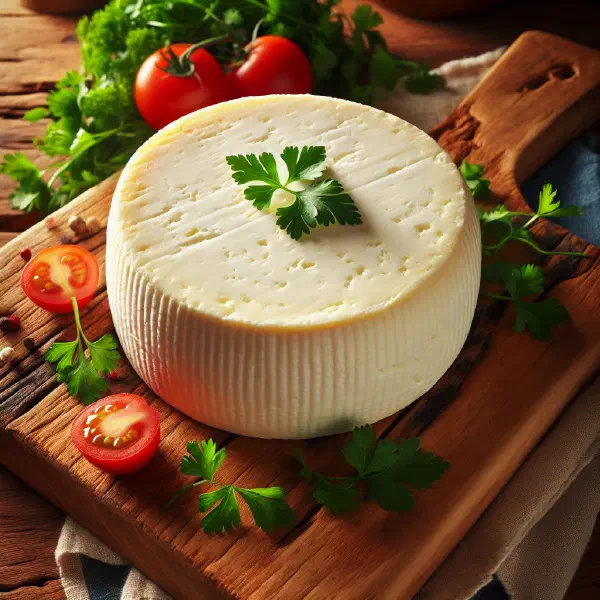
Jibna is far more than just a traditional cheese from Sudan; it is a cultural symbol and a fixture of the country’s cuisine. With its creamy texture and lightly salty flavour, it finds its way into a range of dishes and is often enjoyed simply on its own as a snack. Making jibna is a wonderful way to get to know Sudanese culture, and a chance to try something new and appreciate the value of fresh ingredients. In this article we show you just how easily you can prepare jibna yourself at home.
Ingredients (serves 1–2)
- 1 litre fresh milk
- 1/4 cup lemon juice or vinegar
- 1 teaspoon salt
- Optional: spices for extra flavour
Shopping for the ingredients
To make jibna at home, all you need are a few simple ingredients that are easy to find. Fresh milk is the key element, as it forms the basis for the cheese’s creaminess. Be sure to buy good-quality milk to achieve the best flavour. Lemon juice or vinegar is essential too, as it curdles the milk and helps the curds come together into cheese.
Preparing the dish
Getting jibna ready is a straightforward process that doesn’t take much time. Once you have your fresh milk and the other ingredients to hand, you can begin. It is important to clean all your utensils and containers thoroughly beforehand to get the best possible results. This care during preparation ensures that your jibna not only tastes good but is also hygienic and safe to eat.
Step-by-step instructions
- Heat the milk in a pan over medium heat until it is just about to come to the boil.
- Slowly add the lemon juice or vinegar and stir gently until the milk begins to curdle.
- Watch as the solid curds separate from the whey — this takes only a few minutes.
- Pour the mixture through a cheesecloth to remove the whey, then leave it to drain for about 20–30 minutes.
- Add the salt and mix well.
- Shape the cheese into your desired form and let it firm up in the fridge.
- Enjoy jibna fresh, or use it in a variety of dishes.
Gluten-free / lactose-free version
Jibna is already naturally gluten-free, which makes it a great option for anyone with coeliac disease or a gluten intolerance. If you have a lactose intolerance, however, you could try replacing the milk with plant-based alternatives such as almond or soya milk. Bear in mind that the texture and flavour may vary. Experimenting with different types of milk can lead to some interesting results.
Tips for vegans and vegetarians
For vegans there are creative alternatives for making cheese based on nuts or special plant-based ingredients. Instead of dairy milk, nut milks such as almond or cashew milk can be used to achieve a similar texture. When adding lemon juice or vinegar, it is important to find the right amount to hit the flavour you are after. Vegan cheese takes on seasonings easily, so you can create a whole range of tastes.
More tips and tricks
To get the best result when making jibna, always use fresh ingredients and don’t cut corners during preparation. The consistency of the cheese depends heavily on the milk and the curdling agent you choose. You can also experiment by adding spices or other flavourings to give your jibna a personal touch. Keep all your tools and surfaces clean to guarantee the best possible flavour.
Adapting the recipe to your taste
One of the real joys of making jibna is how easily it can be adapted. Feel free to vary the ingredients and quantities to reach the flavour you prefer. Some people enjoy their jibna with a pinch of black pepper or other spices, while others like to keep it perfectly plain. Remember that everyone can create their own unique jibna, entirely to their own taste.
Ingredient substitutions
Sometimes it can be tricky to find the exact ingredients a recipe calls for. In that case, you can use alternatives to achieve similar results. For the milk, you can choose from various plant-based options, and instead of lemon juice you can use apple cider vinegar. These substitutions let you adapt the recipe and open the door to discovering new flavour combinations.
Drink pairing ideas
The right drink can greatly enhance the pleasure of eating jibna. Traditionally, light teas or fruit juices are served, both of which pair beautifully with the cheese’s mild flavour. A refreshing herbal drink would also be a good choice. Try it alongside a Sudanese Hibiscus Tea. For a more festive note, you could pair it with a hearty red wine or a crisp white wine.
Serving and presentation ideas
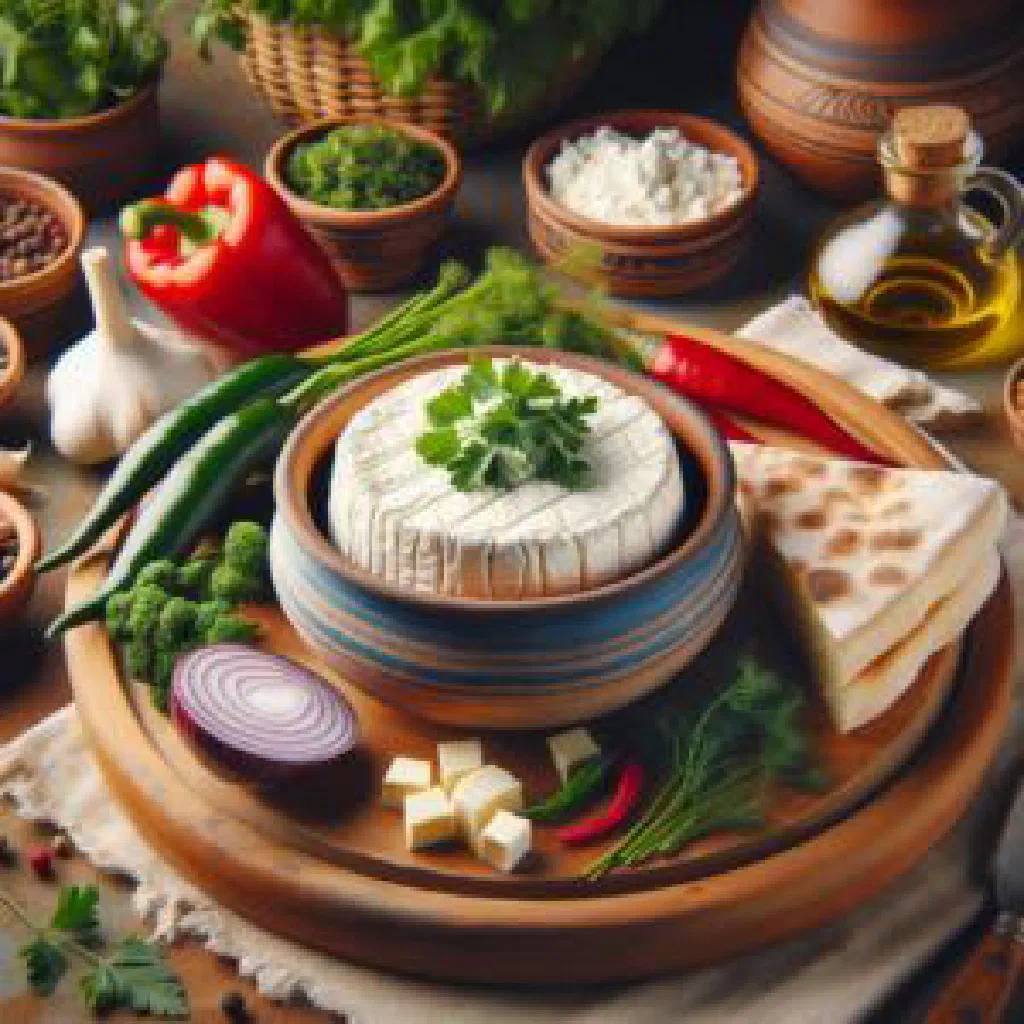
An appealing presentation can lift the whole jibna experience. Serve the cheese on an elegant cheese board, together with fresh vegetable sticks and fruit for a colourful arrangement. You can also offer various dips or side dishes to broaden the range of flavours, a warm flatbread such as Kisra or Gurasa makes an ideal partner. Remember that how a dish looks is often just as important as how it tastes.
A bit of history
Jibna has its roots in Sudanese history and culture, where cheese has been part of the diet for centuries. The tradition of cheese-making reflects the regional differences within the country’s cuisine. Many families have their own secrets and techniques for making jibna, passed down from one generation to the next. So jibna is prized for its culinary importance and for the cultural identity it embodies, a cornerstone of Sudanese cuisine.
More recipe ideas
Summary: Jibna
In summary, jibna is a traditional dish and a window into the rich culture of Sudan. Its simple preparation lets you bring a piece of Sudanese cooking into your own kitchen. Make the most of the opportunities to adapt it, and create a jibna that suits your taste exactly.