National Dish Sudan: Kabsa (Recipe)
In this article
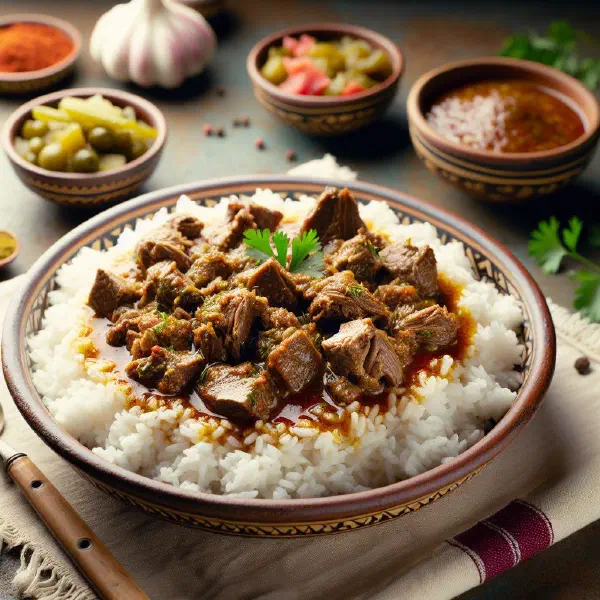
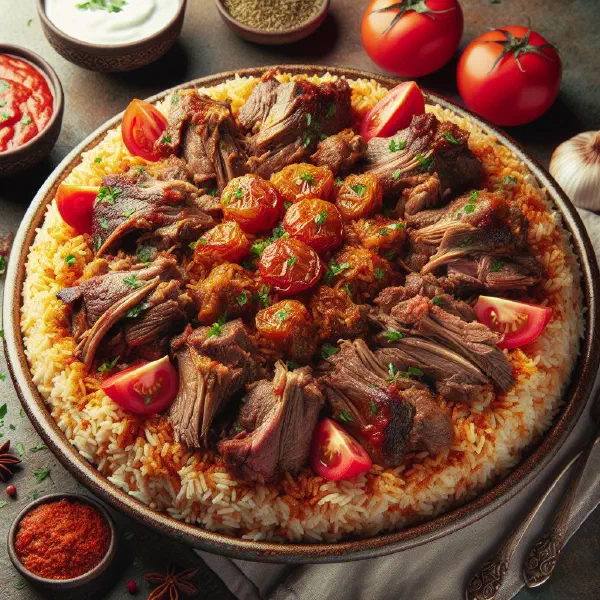
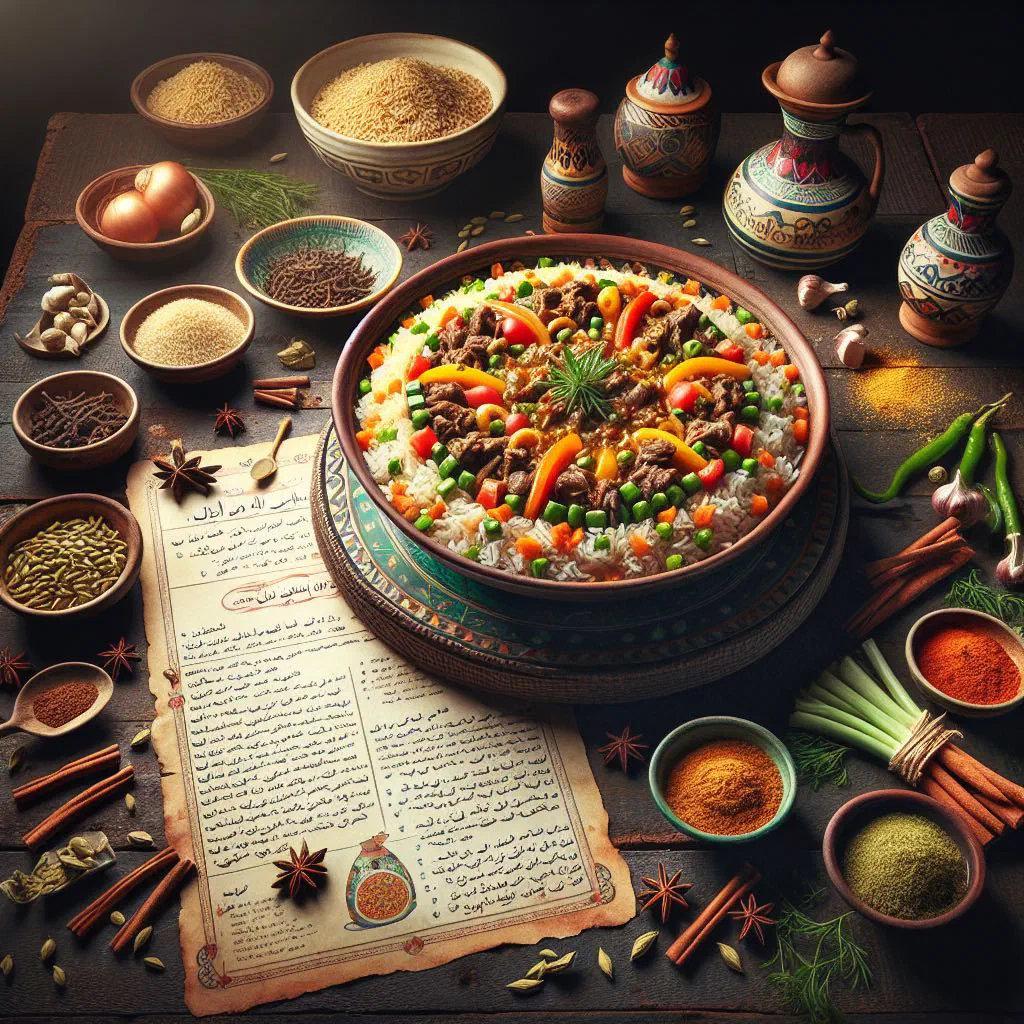
Discover Kabsa, one of Sudan’s proudest festive dishes. This aromatic one-pot combines fragrant spices with tender meat or a wholesome vegetarian medley over fluffy rice. It is a dish built for sharing, carrying a real sense of community and tradition to the table. Lamb or vegetables alone, kabsa offers a warm taste of Sudanese hospitality that turns any meal into a feast.
About Kabsa
Kabsa is a traditional Sudanese national dish that appeals to the palate while carrying a strong sense of community and heritage. This hearty rice-and-meat dish brings aromatic spices together with quality ingredients, and it is a real masterpiece of Sudanese cooking. Kabsa can be served with different meats such as chicken or lamb, or prepared as a vegetarian version. Every region adds its own touch, so there is always a new variation waiting to be discovered.
Ingredients (serves 1–2)
- 200g basmati rice
- 300g chicken or lamb
- 1 onion, diced
- 2 cloves garlic, chopped
- 2 tomatoes, diced
- 1 carrot, diced
- 2 tablespoons kabsa spice mix
- 400ml vegetable or meat stock
- 2 tablespoons vegetable oil
- Salt and pepper to taste
Shopping for the ingredients
To prepare kabsa you will need fresh ingredients along with the special spices that make the dish so distinctive. Kabsa spice mix is the heart of the recipe and can be found in many Middle Eastern grocery shops or ordered online. Choose good-quality produce, especially the meat and the spices, so you can enjoy the full depth of flavour. Fresh vegetables matter too, ensuring a colourful and wholesome meal.
Preparing the dish
Getting kabsa ready can be quick and straightforward if you follow the right steps. Begin by rinsing the rice to wash away the excess starch, then let it soak briefly. While the rice soaks, chop the vegetables so everything is ready when it is time to cook. These small preparations keep the cooking smooth and let the aromas shine through.
Step-by-step instructions
- Heat the oil in a large pot and sauté the onions until translucent.
- Add the garlic and carrots and cook briefly.
- Add the meat and brown it lightly.
- Stir in the tomatoes and the kabsa spice mix until everything is well combined.
- Pour in the stock and bring to the boil.
- Add the rice, stir, and reduce the heat.
- Cover the pot and let it simmer for about 20–25 minutes, until the rice is tender.
- Taste and adjust before serving, garnishing with fresh herbs if you like.
Gluten-free / lactose-free version
Kabsa is naturally gluten-free and lactose-free when you use the right ingredients. Make sure the spice mix and the stock contain no gluten-based additives. For a flawless gluten-free version, simply stick to fresh basmati rice and vegetables. This makes kabsa an excellent choice for anyone with intolerances who still wants a flavour-packed meal.
Tips for vegans and vegetarians
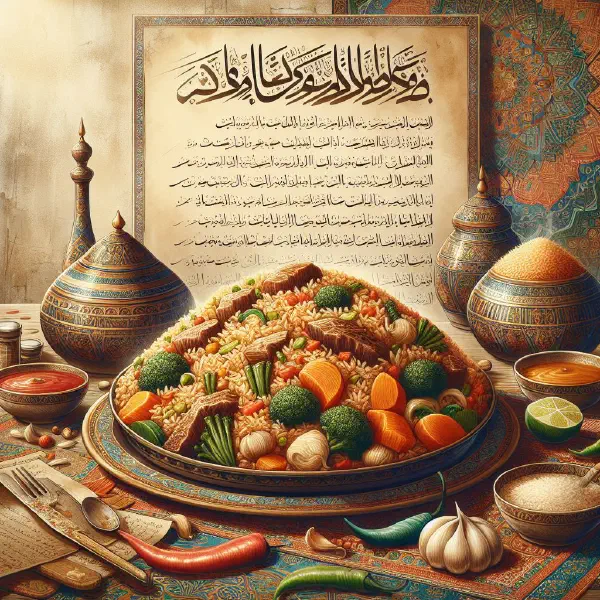
Kabsa is easy to turn into a vegan or vegetarian version. Replace the meat with vegetables of your choice, such as courgette, peppers or chickpeas. Instead of meat stock, use water or a vegetable stock to build up the flavours. Experiment with different vegetables and pulses to adapt the dish to your own taste, much like a warming Spiced Chickpea Stew.
More tips and tricks
A few simple tips can lift your kabsa. Reach for fresh spices rather than pre-ground ones to intensify the flavour. Take care not to overcook the rice so it keeps a perfect, separate texture. Let the finished dish rest for a few minutes so the aromas can settle, a small step that makes a big difference.
Adapting the recipe to your taste
One of the best things about kabsa is its flexibility. Feel free to adjust the spices depending on whether you prefer more heat or a touch of sweetness. You can also vary the amount of vegetables to add more variety. Every time you make kabsa you can experiment with different ingredients and create fresh flavour combinations.
Ingredient substitutions
If you do not have certain ingredients to hand, there are plenty of alternatives to fall back on. Instead of basmati rice you can use jasmine rice or another variety. If kabsa spice mix is unavailable, blend your own from cumin, paprika and cinnamon. This keeps the character of the dish intact while still delivering a delicious result, the same spice-forward approach that carries a Sudanese Spiced Rice.
Drink pairing ideas
A range of drinks pairs beautifully with a good plate of kabsa. Traditionally a hibiscus tea or plain sparkling water is served alongside. For a refreshing note, try a homemade mint lemonade, which sits perfectly against the warm spices of the dish.
Serving and presentation ideas
Presentation can raise the whole kabsa experience. Serve the dish on a colourful platter to show off the different ingredients. Garnish the kabsa with fresh herbs or toasted nuts to add both colour and texture. Use attractive tableware to present this feast in style and impress your guests.
A bit of history
Kabsa has its roots in Arab culture and is a cherished family dish across many countries of the Middle East. Its exact origin is debated, but it is often associated with the Arabian Gulf region. In Sudan, kabsa holds a special place and is frequently served at celebrations and on special occasions. With its history and delicious aromas, kabsa is firmly established in Sudanese cuisine.
More recipe ideas
Summary: Kabsa
To sum up, kabsa is a true highlight of Sudanese cooking, winning people over with its versatility and its wonderful aromas. With a blend of quality ingredients and traditional spices, it is an ideal choice for any occasion. Kabsa brings joy both in the cooking and in the eating. Let this southern tradition work its magic and give it a try for yourself.