National Dish Sudan: Koshari (Recipe)
In this article
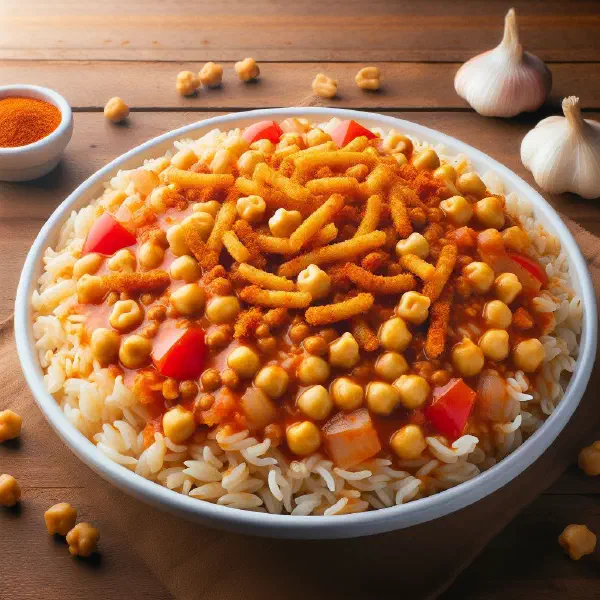
Meet Koshari, the hearty comfort food that has become a much-loved staple across Sudan. This satisfying dish layers tender rice, earthy lentils and macaroni together, then crowns the whole thing with a spiced tomato sauce and a generous scatter of crisp fried onions. Humble, filling and full of texture, it turns a handful of everyday pantry ingredients into a plate that keeps you coming back for more.
About Koshari
Koshari, one of the best-loved dishes across Sudan, is a feast for the senses and a deeply rooted part of the local food culture. It brings together a delicious combination of boiled rice, lentils and macaroni that together make for a hearty and thoroughly satisfying meal. The crowning touch is a spiced tomato sauce, finished with crispy onions. Rice, lentils and macaroni complement one another perfectly in both flavour and texture, making Koshari a dish that brings joy time and time again.
Ingredients (serves 1–2)
- 1 cup rice
- 1/2 cup green lentils
- 1/2 cup macaroni
- 2 large onions
- 2 cups tomato sauce
- 1 teaspoon cumin
- Salt and pepper to taste
Shopping for the ingredients
When shopping for Koshari, it is worth paying attention to the quality and freshness of the ingredients. Most of what you need can be found in a regular supermarket or a well-stocked Middle Eastern grocery. Take particular care with the fresh onions, as they make up an important part of the dish’s aroma. The tomato sauce can either be bought in a jar or made easily from fresh tomatoes, which lends the dish extra depth.
Preparing the dish
Before you start cooking Koshari, make sure all your ingredients are ready to hand. Rinse the rice and lentils thoroughly to remove any impurities. The macaroni should also be prepared and parboiled in boiling water. Get the spiced tomato sauce ready and slice the onions into fine rings, which are fried later to achieve their signature crispness.
Step-by-step instructions
- Bring the rice and lentils to the boil in separate pans with water and salt. Cook the rice for about 15 minutes and the lentils for around 20 minutes.
- Cook the macaroni in another pan according to the packet instructions until al dente.
- Meanwhile, fry the onions in oil until golden brown, then drain them on kitchen paper.
- Warm the tomato sauce in a pan and season with cumin, salt and pepper.
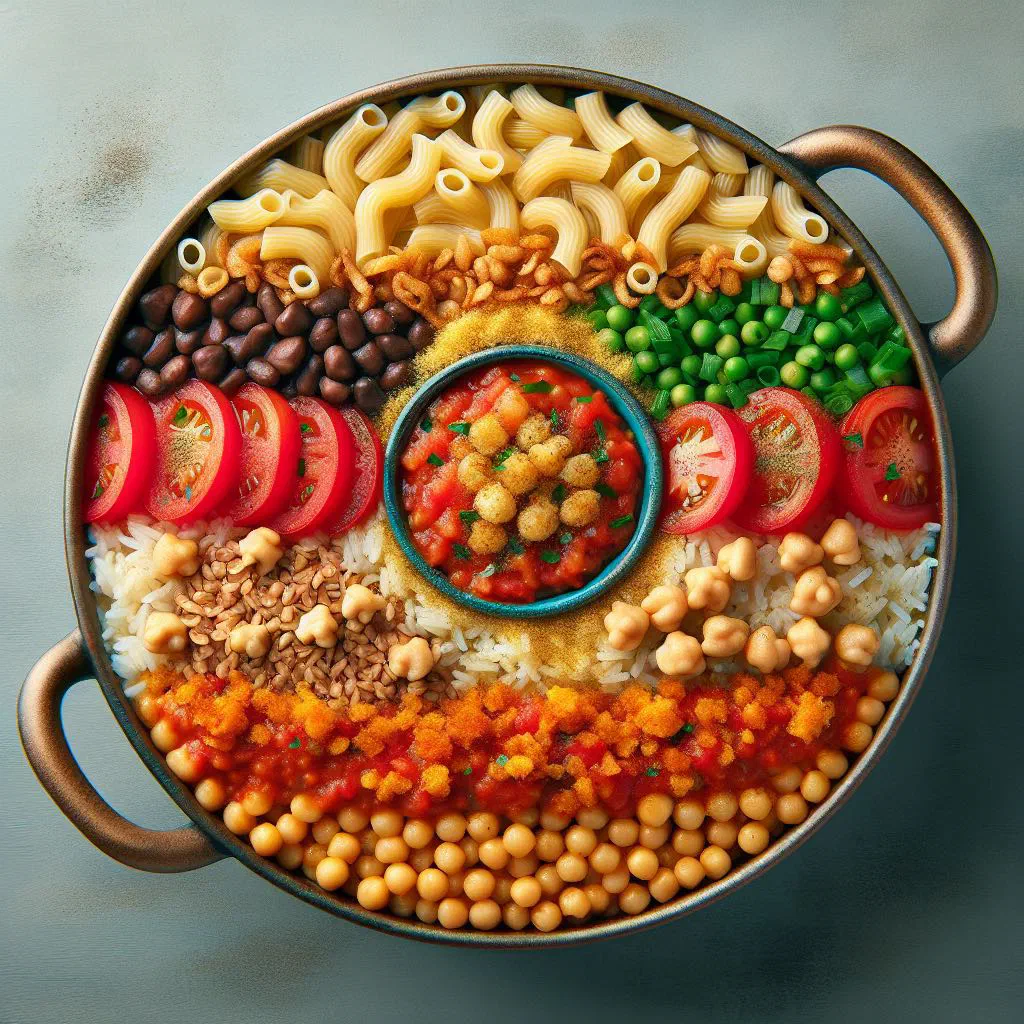
- Layer the ingredients: first spoon the rice-and-lentil mixture into a deep plate, followed by the macaroni and finally the tomato sauce.
- To finish, scatter the crispy onions over the top and serve warm.
Gluten-free / lactose-free version
To make Koshari gluten-free, you can swap the regular macaroni for one of the gluten-free alternatives now available in many shops. Make sure the tomato sauce is also free from gluten-containing ingredients. This dish is naturally lactose-free, so there is no need to worry about dairy. Using high-quality, fresh ingredients guarantees a delicious result that will pleasure all your guests, or simply yourself.
Tips for vegans and vegetarians
Koshari is an ideal dish for vegans and vegetarians, as it contains no meat at all. You can take it further by adding extra vegetables to the sauce, such as chopped peppers or carrots, for additional nutrients and flavour. For an even more special touch, you could use some roasted chickpeas as a topping. That way Koshari stays tasty and wholesome and full of plant-based protein.
More tips and tricks
One of the most important elements of a delicious Koshari is the tomato sauce, and it is well worth investing the time to give it the right depth of flavour. Experiment with different spices to intensify the taste. Adding a little garlic or chilli can also bring an interesting new dimension to your dish. The preparation of the onions is crucial too, make sure they turn beautifully crisp to provide the best contrast to the soft rice-and-lentil mixture. For a similar comforting bowl, try Rice and Lentil Pilaf.
Adapting the recipe to your taste
Koshari is wonderfully adaptable. Vary the proportions of the individual components to suit your own taste. Prefer more lentils, for example? Then increase the amount to a full cup. For an extra helping of vegetables, you can add grilled vegetables or fresh spinach. This adds more flavour and gives the plate an attractive look and boosts its nutrient content.
Ingredient substitutions
Sometimes you will not have every ingredient for Koshari at home. In that case, a few alternatives will do the job. Instead of rice, quinoa can provide a different flavour. In place of macaroni, other pasta shapes work well, or you can leave it out altogether to make the dish lighter. The tomato sauce can be replaced with a homemade vegetable sauce for an entirely new flavour note. A pot of Adas makes a great side if you want more lentils on the table.
Drink pairing ideas
A refreshing drink pairs beautifully with Koshari and complements its spiced flavours. Mint tea is a popular choice, its freshness supporting the dish’s flavour profile. Alternatively, a fruity pomegranate or lemon smoothie can make an interesting combination that balances the aromas. Water with fresh mint leaves or citrus is another refreshing option to go with this hearty dish. A tall glass of Lemon Mint Juice works especially well.
Serving and presentation ideas
Presentation plays an important role in making Koshari look as good as it tastes. Use larger flat plates so the layers stay clearly visible. Finish the top layer with the crispy onions and a little chopped coriander for a fresh aroma. A small bowl of extra tomato sauce in the middle of the table lets guests top up as they please. This kind of inviting presentation ensures the meal not only tastes wonderful but looks it too.
A bit of history
Koshari has its origins in Egypt, where it is hugely popular as a classic street food. In Sudan, however, it has developed its own identity and been adapted to local tastes and preferences. The combination of rice, lentils and macaroni offered a nourishing and affordable option for many families. Today Koshari represents a tasty dish and the cultural variety of Sudan and the influences it has absorbed from neighbouring regions, a fine example of Sudanese cuisine.
More recipe ideas
Summary: Koshari
In summary, Koshari is a hearty and versatile dish that suits both celebrations and everyday meals. With its combination of rice, lentils and macaroni alongside the aromatic tomato sauce, it is very good for the palate. This dish is easy to prepare and can be adapted to a range of tastes and dietary needs. Let the flavours of the region inspire you and enjoy a taste of culture with every bite.