National Dish Sudan: Maamoul (Recipe)
In this article
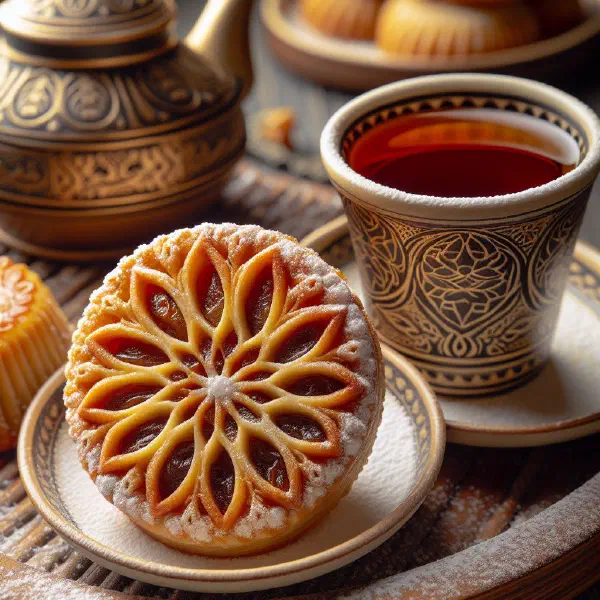
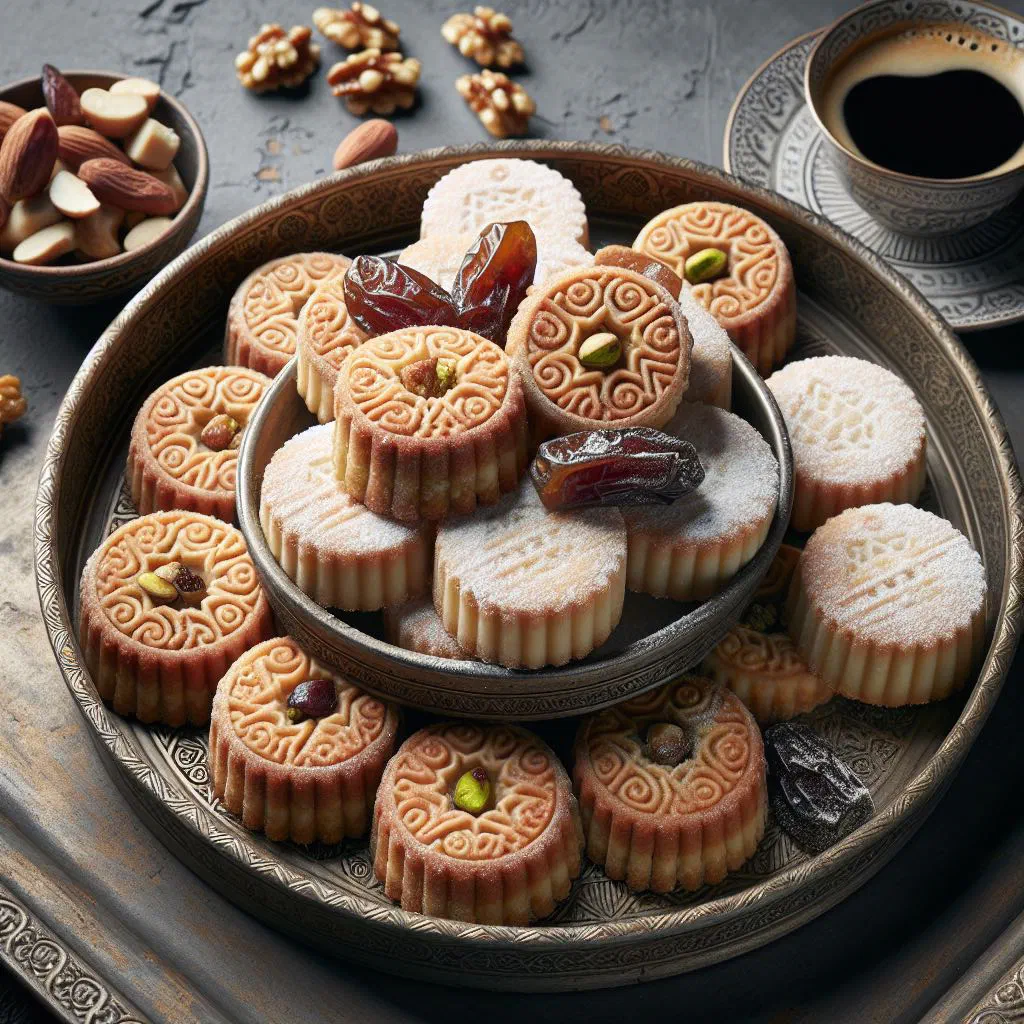
Say hello to Maamoul, a delicately spiced shortbread pastry that has graced festive tables across Sudan for generations. Each little parcel hides a soft filling of dates or fragrant nuts beneath a tender, crumbly crust perfumed with rose water. More than a sweet treat, Maamoul is a warm symbol of Sudanese hospitality, offered to guests at celebrations and special occasions. Bring a touch of this exotic sweetness into your own kitchen and see why it is so cherished.
About Maamoul
Maamoul is a traditional Sudanese pastry prized for its tender, aromatic crust and its very good filling. These fine little pastries are most often filled with dates or nuts such as almonds and walnuts, and they are especially popular during holidays and special occasions. Maamoul is loved for its distinctive flavour and as a symbol of hospitality in Sudan. If you are looking for a dish that appeals to both the palate and the eye, Maamoul is exactly right for you.
Ingredients (serves 1–2)
- 150 g plain wheat flour
- 100 g butter or margarine
- 50 g icing sugar
- 1 teaspoon rose water
- 1 pinch of salt
- 200 g dates or nuts (e.g. almonds, walnuts)
- 1 teaspoon cinnamon (optional)
Shopping for the ingredients
The ingredients for Maamoul are easy to find in most supermarkets or Middle Eastern grocery shops. When buying dates, choose ones that are fresh and free from additives to guarantee an authentic flavour. Freshly bought nuts are also worth seeking out, as they noticeably improve the aroma and freshness of your pastry. With the right choice of ingredients, you can be sure your Maamoul turns out to be a real treat.
Preparing the dish
Before you begin making Maamoul, it is important to gather and prepare all your ingredients. Shaping and decorating the little dough parcels takes a touch of patience, but the careful preparation soon pays off. Make sure the butter is soft so that it blends smoothly with the flour. Good planning helps you work through each step calmly and without fuss.
Step-by-step instructions
- In a bowl, cream the butter with the icing sugar and a pinch of salt until light and fluffy.
- Gradually add the flour and the rose water until a smooth, even dough comes together.
- Wrap the dough in cling film and let it rest in the fridge for an hour.
- Meanwhile, finely chop the dates or nuts and add cinnamon to taste.
- Take the dough from the fridge and divide it into small portions.
- Flatten each portion, place the filling in the centre and close the dough around it.
- Press the parcels into a decorative mould and set them on a baking tray.
- Bake in a preheated oven at 180°C for about 15–20 minutes, until golden.
Gluten-free / lactose-free version
Maamoul is easy to make gluten-free by swapping the wheat flour for a gluten-free flour such as rice or almond flour. For a lactose-free version, use a suitable plant-based margarine in place of butter. These adjustments make the pastry accessible to anyone with particular dietary needs. Enjoy the delicious taste of Maamoul without having to give up a single ingredient.
Tips for vegans and vegetarians
For a vegan version, use plant-based butter or coconut oil instead of dairy butter. Make sure the dates are all-natural and contain no other animal products. This pastry also lends itself beautifully to a fruity filling, so everyone avoiding animal products can still enjoy it to the full. That way you can create this sweet speciality entirely to your own taste.
More tips and tricks
To deepen the wonderful aroma of your Maamoul, you can add further spices alongside the cinnamon, such as nutmeg or cloves. It becomes especially fragrant if you enrich the filling with a splash of rose or orange blossom water. Different nut blends also offer an interesting change of pace. Experiment with a range of variations to turn your Maamoul into something truly special.
Adapting the recipe to your taste
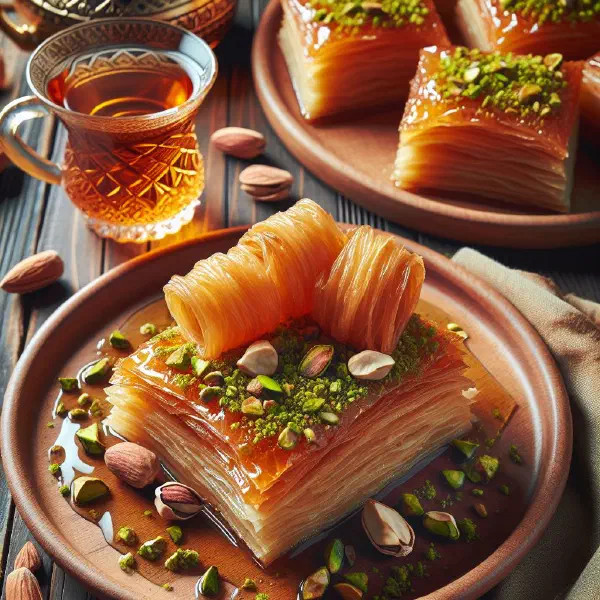
The lovely thing about Maamoul is how easily you can adapt it to your liking. If you prefer wholesome ingredients, for instance, you can reduce the sugar in the filling or replace it with honey or maple syrup. You might also try different fillings to vary the sweetness and texture. This way the pastry becomes special to you, and a memorable taste experience for your guests, much like a plate of syrupy Baklava.
Ingredient substitutions
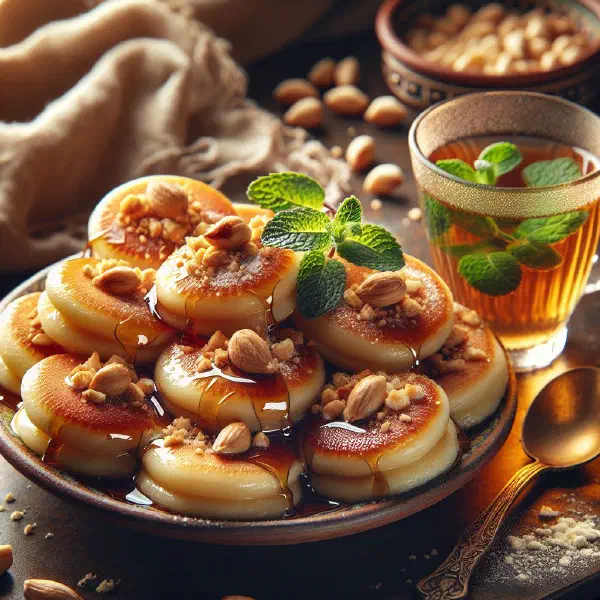
For the filling, you can use dried figs or apricots in place of dates to achieve a different flavour. If nuts pose an allergy problem, sesame seeds or roasted pumpkin seeds make a tasty alternative. These options are not only simple to put into practice, they also give the traditional recipe a fresh twist. By playing with the ingredients, you can vary it entirely to suit your own taste, the same spirit that makes Date Cookies and Basbousa so appealing.
Drink pairing ideas
Maamoul goes wonderfully with a cup of Arabic coffee or a minty tea. For a festive touch, you might also serve a pomegranate juice, which supports the flavours of the Maamoul beautifully. A warmly spiced Cardamom Spiced Tea is another lovely choice. Think about which drinks suit your occasion and surprise your guests with a happy pairing.
Serving and presentation ideas
To serve Maamoul in style, arrange it in a pretty box or on a well-filled platter. Dust the finished pieces with icing sugar or scatter over decorative nuts for a presentation that pleases the eye as much as the palate. This turns the pastry into a real centrepiece on any table. Tailor the presentation to the occasion to make the Maamoul the highlight it deserves to be.
A bit of history
The origins of Maamoul are still debated, though it is generally thought to have emerged in the Arab world. Historically, Maamoul was already being made in the fifteenth century and grew ever more popular over time. It stands for delicious pastry and for the tradition of hospitality in Sudan. At festivals and special occasions it is often served as a sign of prosperity and friendship, giving it an important place in Sudanese cuisine. You can explore more of that heritage across the rest of Sudanese cuisine.
More recipe ideas
Summary: Maamoul
In short, Maamoul is an indispensable part of Sudanese food culture. With its exquisite filling and tender crust, it brings together tradition and flavour in a truly special way. Ideal for celebrations, special occasions or simply as a little treat between meals, it offers an incomparable taste experience. Let this sweet pastry work its charm and bring a touch of exotic sweetness to your kitchen.