National Dish Suriname: Bami Goreng (Recipe)
In this article
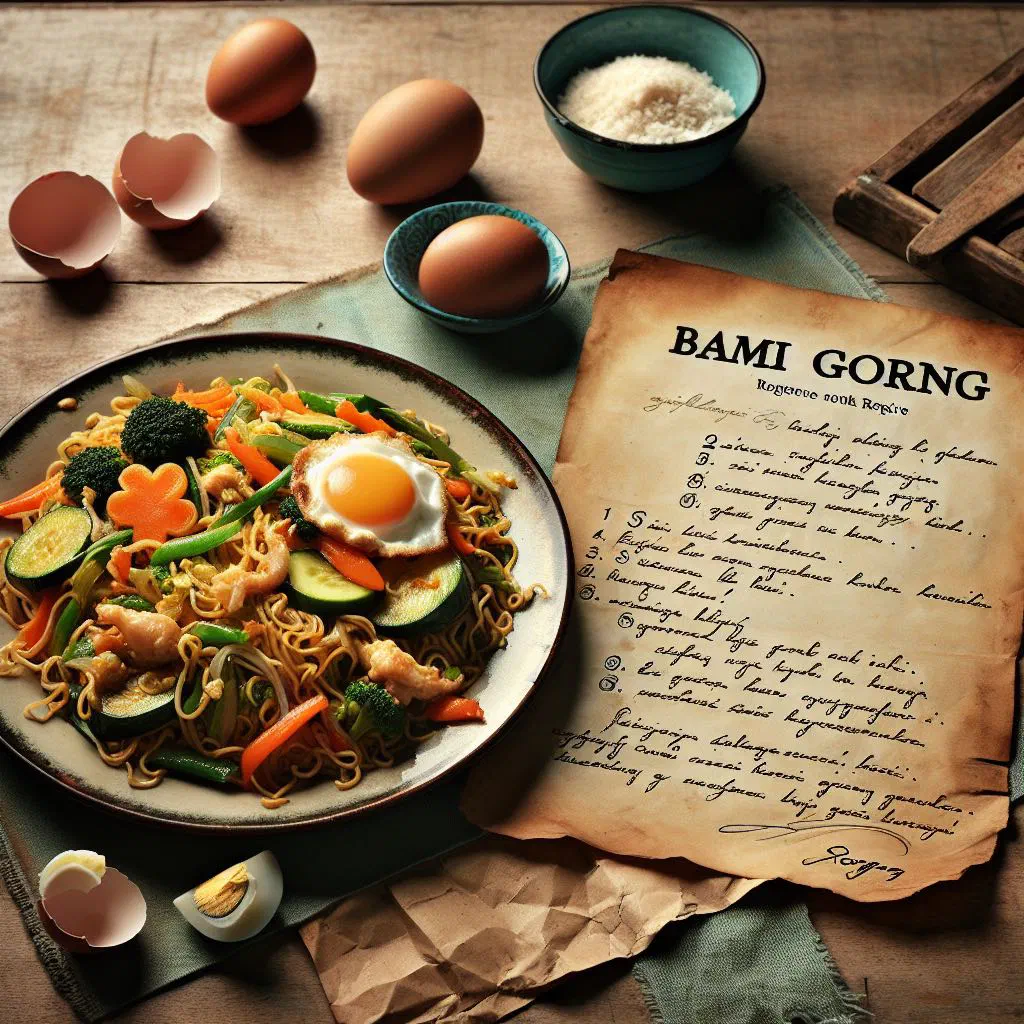
Discover Bami Goreng, one of Suriname’s most beloved everyday plates. Springy egg noodles hit a searing hot wok alongside crisp vegetables and your choice of tender chicken or tofu, all pulled together by soy sauce and a fiery spoonful of sambal. It is quick, endlessly forgiving and packed with the layered aromas that make Surinamese cooking so distinctive, a whole culinary crossroads in a single pan.
About Bami Goreng
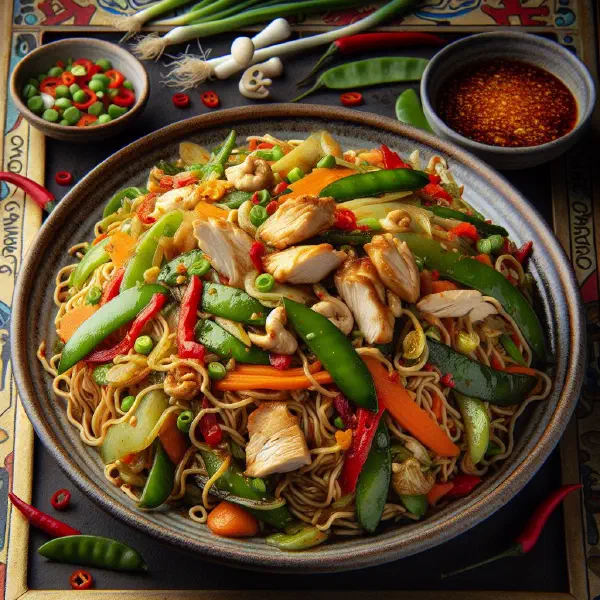
Bami Goreng is a traditional Surinamese dish that mirrors the many influences shaping the country’s multicultural kitchen. It is built around wok-fried egg noodles, tossed with fresh vegetables and either tender chicken or tofu. The dish is a treat for the palate and a wonderful way into the flavours of Surinamese cuisine. Thanks to a generous handful of herbs and spices, bami goreng carries an intense aroma that keen cooks and hungry guests alike find hard to resist.
Ingredients (serves 1–2)
- 200 g egg noodles
- 150 g chicken breast or tofu
- 1 carrot, cut into fine strips
- 1 pepper, diced
- 1 onion, diced
- 2 cloves of garlic, finely chopped
- 2 tablespoons soy sauce
- 2 tablespoons vegetable oil
- 1 teaspoon sambal oelek (to taste)
- Fresh spring onions, to garnish
Shopping for the ingredients
To make the perfect bami goreng, buy your ingredients as fresh as you can. A nearby Asian grocery is the best starting point, as it usually stocks authentic products you will not find in a standard supermarket. That is where you will pick up the egg noodles as well as the aromatic seasonings that matter so much in Surinamese cooking. Choose good quality throughout, especially for the meat and the vegetables, as this is what carries the flavour of the finished dish.
Preparing the dish
Before you start cooking, careful preparation of the ingredients is essential. Cut the vegetables into evenly sized pieces so they cook at the same rate. If you are using chicken, dice it small and season it in advance so the flavours have time to sink in. Cook the noodles according to the packet instructions so they slip neatly into the dish later on. A tidy work surface pays off here, because once the wok is hot everything moves quickly.
Step-by-step instructions
- Heat the vegetable oil in a wok or a large frying pan.
- Add the onion and garlic and sweat them until translucent.
- Add the diced chicken or tofu and fry until cooked through.
- Stir in the carrot and pepper strips and fry briefly.
- Fold through the pre-cooked egg noodles and the soy sauce, mixing everything well.
- Season with sambal oelek and continue frying for a few minutes to taste.
- Garnish with freshly chopped spring onions just before serving.
Gluten-free / lactose-free version
For a gluten-free version of bami goreng, use rice noodles in place of the egg noodles. Check that any soy sauce you use is gluten-free as well, since standard brands are usually brewed with wheat, tamari is a reliable swap. The dish is naturally free of dairy, so a lactose-free version needs no adjustment at all; if you like a creamier finish, the many soy and plant-based drinks on the market do the job nicely. That way everyone can enjoy this dish, whatever their dietary needs.
Tips for vegans and vegetarians
Vegans can simply switch to tofu as the protein and add plenty of other plant-based proteins such as chickpeas or tempeh. Do check that every sauce and packaged product is free of animal ingredients, as shrimp paste hides in some Asian condiments. Experiment with different vegetables to work extra nutrients into your bami goreng, the same generous approach that makes a Gado Gado so satisfying. Fresh herbs such as coriander or basil are a lovely finishing touch too.
More tips and tricks
To bring out the full flavour of bami goreng, fry the ingredients in the right order. Start with the aromatics, follow with the proteins, and add the vegetables last so they cook only briefly. Take care not to overload the pan: crowding it steams the vegetables instead of searing them and stops the noodles from browning properly. A dash of sesame oil right at the end lends the dish a distinctive, nutty note.
Adapting the recipe to your taste
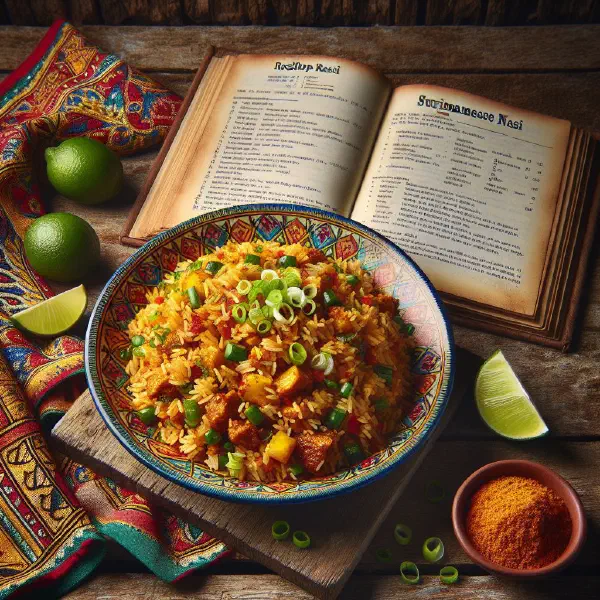
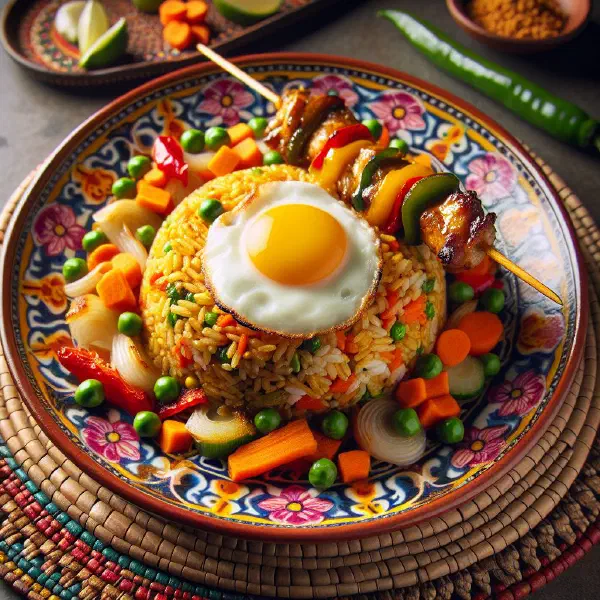
Bami goreng is easy to bend to your own preferences. Add more or fewer vegetables as you like, or try different proteins such as prawns or beef. The seasoning is just as flexible, a little extra curry powder or a stalk of lemongrass will take the flavour somewhere new. If you would rather have rice than noodles, the closely related Nasi Goreng Suriname uses much the same flavour base. Enjoy the freedom to vary the recipe as the mood takes you.
Ingredient substitutions
Although the classic ingredients for bami goreng are hard to beat, there are plenty of alternatives. Glass noodles instead of egg noodles give you a lighter version, for instance. In place of soy sauce you can use a coconut aminos alternative for a less salty result. Beyond that, vegetables such as broccoli, courgette or mangetout add welcome variety, and a side of Kroepoek brings a crisp contrast to the plate.
Drink pairing ideas
Refreshing drinks suit bami goreng especially well. An Asian lager or a light red wine rounds off the flavours nicely. Green tea and fruit cocktails are good alternatives that complement rather than compete with the seasoning. If you would rather skip the alcohol, a fresh ginger lemonade is both invigorating and soothing against the heat of the sambal.
Serving and presentation ideas
Presentation can make all the difference to the first impression of bami goreng. Serve the dish in a large bowl and garnish it with fresh herbs such as coriander or spring onion for an appealing finish. Colourful ingredients like carrot and pepper do much of the visual work for you. Asian-style tableware underlines the cultural roots of the dish and lends it an authentic touch, and a warm Roti alongside makes it a proper spread.
A bit of history
Bami goreng has its origins in Indonesian cooking and, through the long exchange between Java and Suriname, developed an identity all of its own. Indentured Javanese labourers brought the dish with them in the late nineteenth century, and it settled into local kitchens alongside Creole and Hindustani traditions. The result reflects a society shaped by many different ethnic groups, and the dish is a firm favourite not only in Suriname but throughout its diaspora. That makes bami goreng a genuine symbol of culinary connection between cultures.
More recipe ideas
Summary: Bami Goreng
In short, bami goreng is a varied and thoroughly tasty dish that brings pleasure to any household. It combines a whole range of aromas and textures while remaining genuinely simple to cook. Whether as a quick midweek supper or as a generous plate for a special occasion, bami goreng rarely disappoints. Let it inspire you and enjoy a piece of Suriname’s culinary heritage in your own kitchen.