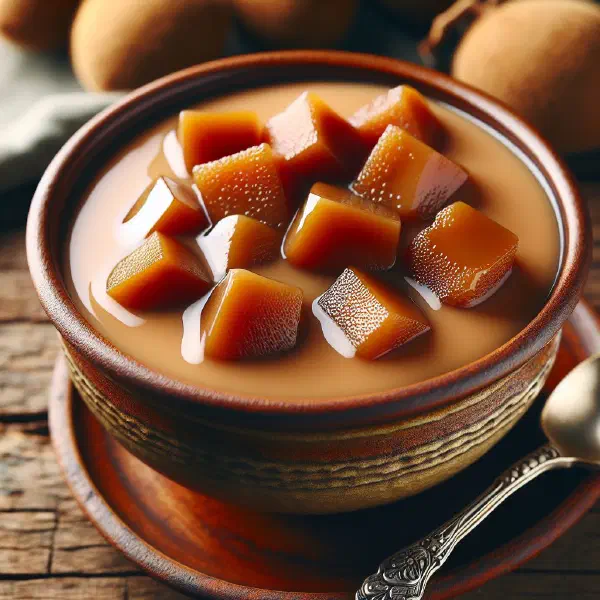
National Dish Suriname: Boyo (Recipe)
In this article
Meet Boyo, a fragrant Surinamese classic that turns two humble store-cupboard staples into something genuinely memorable. Coconut milk and rice simmer together with warm spices until the whole pan smells of cinnamon and nutmeg, and the result is creamy, gently sweet and deeply comforting. It is a dish that carries the Caribbean in its aroma and the layered history of Suriname in every spoonful, and it takes barely more effort than a pot of porridge.
About Boyo
Boyo is a true flavour explosion and one of the best-loved dishes in Suriname. It brings together the warmth of Caribbean cooking with a preparation method that is entirely its own. The two main components, coconut milk and rice, form a harmonious base that a handful of well-chosen spices rounds off beautifully. It is nourishing and a tribute to the cultural variety of Suriname, where African, Indian, Javanese and Dutch influences all sit side by side on the same table.
Ingredients (serves 1–2)
- 200 ml coconut milk
- 100 g rice
- 1 teaspoon salt
- 1 teaspoon sugar
- 1/2 teaspoon cinnamon
- 1 pinch of nutmeg
- 250 ml water
Shopping for the ingredients
To make a delicious boyo, most of what you need can be found in an ordinary supermarket or in an Asian grocery. Coconut milk is widely sold in tins, and rice comes in plenty of varieties to choose from. Do take care to pick good-quality spices, as they are decisive for the character of the dish. A trip to a weekly market is worthwhile too, especially if you want fresh, local produce, the same instinct that pays off when shopping for Pom.
Preparing the dish
Preparing boyo is straightforward, but it is worth getting the ingredients ready properly. The rice should be washed thoroughly to remove excess starch, which gives a much better final consistency. Coconut milk improves the flavour and lends the dish its creamy texture. Have all the spices measured out and to hand before you start so the cooking runs smoothly from beginning to end.
Step-by-step instructions
- Put the rice into a pan, add the water and leave it to soak for about 30 minutes.
- Once soaked, drain off the water and set the rice aside.
- In a pan, heat the coconut milk with the sugar, salt, cinnamon and nutmeg until it comes to a gentle simmer.
- Add the soaked rice and stir well to combine.
- Cover the pan and let the dish simmer over low heat for 20–25 minutes, until the rice has absorbed the liquid.
- Let it rest for a few minutes before serving so the flavours can settle and develop.
Gluten-free / lactose-free version
Boyo is naturally gluten-free and lactose-free, which makes it an ideal choice for anyone with those intolerances. Using coconut milk instead of dairy means the dish suits people who are lactose intolerant without any adjustment at all. To keep it every bit as flavourful, you can vary the spices to your liking. It is still worth paying attention to the provenance of your ingredients, simply to be certain they meet your dietary requirements.
Tips for vegans and vegetarians
For vegans, boyo is a wonderful option, since every main ingredient is plant-based. Just check that the spices and the coconut milk contain no additives of animal origin. To give the dish an even fresher note, experiment with fresh vegetables served alongside, a crisp Kousenband Salade makes a lovely contrast. The combination of rice and vegetables offers a nourishing meal and a pleasing range of colour on the plate.
More tips and tricks
There are a few tricks that help perfect boyo. Toasting the spices in a little oil before adding the coconut milk, for example, intensifies their flavour considerably. Using freshly grated nutmeg rather than ready-ground powder likewise gives a far more aromatic result. Experimenting with different varieties of rice can open up new flavour experiences too. Try jasmine or basmati and see which you prefer.
Adapting the recipe to your taste
The flexibility of boyo means it adapts easily to personal preference. You can add vegetables such as peas, carrots or even pumpkin to make it more substantial. The choice of spices is equally open; experiment with ginger or chilli if you want to give the dish a sharper edge. Adjustments like these let you account for your own taste and for the preferences of your guests.
Ingredient substitutions
If you find yourself without a particular ingredient, boyo offers plenty of alternatives. Almond milk can stand in for coconut milk if you want a different dairy-free profile, though the result will be lighter. You can also use quinoa instead of rice to create a more protein-rich dish. Trying different spices is another easy route to fresh flavour combinations, much as you would when varying Moksi Alesi.
Drink pairing ideas
Refreshing drinks are an excellent match for boyo. A light Caribbean beer or a cool hibiscus tea harmonises beautifully with its gentle sweetness. For an alcohol-free option, a freshly pressed fruit smoothie is a lovely addition that underlines the exotic side of the dish, and a homemade Gemberbier brings a welcome ginger kick. These drinks all help the delicious aromas of boyo come through more clearly.
Serving and presentation ideas
Presentation plays a real part in how much you enjoy boyo. Serving it in a shallow bowl with a single basil leaf or an edible flower adds an attractive visual note. You might also ring the dish with colourful vegetables to create contrast around the edge. An appealing presentation turns a simple bowl of boyo into a genuinely memorable meal.
A bit of history
Boyo is not merely a simple dish but part of the rich culture of Suriname. Its roots reach a long way back, reflecting the history and traditions of the country. The use of coconut milk and rice speaks of the adaptations and influences of the many communities who have lived in Suriname over the centuries. In that sense the recipe is a living example of the culinary variety and history of Surinamese cuisine.
More recipe ideas
Summary: Boyo
Boyo is a distinctive dish that gathers the flavours of Suriname into one simple yet delicate recipe. Its versatility makes it a favourite on any menu. The pairing of coconut milk and rice gives a delicious combination that is also remarkably easy to prepare. Let this traditional dish win you over and enjoy the exotic flavours Suriname has to offer.