National Dish Suriname: Karet (Recipe)
In this article
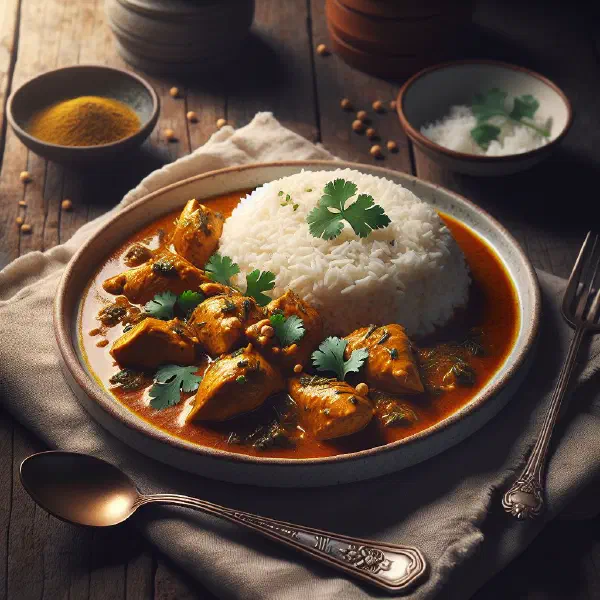
Discover Karet, a fragrant Surinamese favourite that brings together tender chicken, sweet peppers and warm curry spices in a single pan. It is the kind of everyday dish that tastes far more elaborate than it is, a handful of good ingredients, fifteen minutes on the hob, and the whole kitchen smells of the tropics. Serve it with rice or flatbread and you have a complete meal that captures the wonderfully mixed character of Suriname’s cooking.
About Karet
Karet is a classic Surinamese dish that mirrors the cultural richness of this fascinating country. The combination of savoury depth and fresh ingredients makes it a genuine delicacy. It is most often served with rice or flatbread, which makes it an ideal main course for any occasion, much like a comforting plate of Moksi Alesi. Preparation is straightforward and calls for only a few ingredients, though those few need to be chosen with care if you want the very best result.
Ingredients (serves 1–2)
- 200 g chicken breast, diced
- 1 onion, finely chopped
- 2 cloves of garlic, crushed
- 1 red pepper, diced
- 2 tablespoons oil, for frying
- 1 teaspoon curry powder
- 1 teaspoon salt
- 1/2 teaspoon pepper
- 1 teaspoon soy sauce
- Fresh coriander leaves, to garnish
Shopping for the ingredients
To make karet properly you need fresh, good-quality ingredients. A trip to your local market is an excellent way to pick up fresh vegetables, herbs and meat. Make sure the chicken is fresh and that the peppers have a bright, lively colour. It is also worth looking out for regional suppliers, who often carry the best produce.
Preparing the dish
Good preparation is decisive for the flavour of karet. Begin by finely chopping the onion and the garlic, as these form the aromatic base of the dish. Cut the vegetables into evenly sized pieces so that everything cooks at the same rate. While you work through the ingredients, let the oil heat in a pan so you can start frying straight away.
Step-by-step instructions
- Heat the oil in a pan over medium heat.
- Add the chopped onion and garlic and fry until translucent.
- Add the diced chicken breast and brown it on all sides until golden.
- Stir in the pepper, the curry powder, salt, pepper and the soy sauce, and mix well.
- Cover the pan and let the dish simmer for around 10–15 minutes, until the chicken is cooked through.
- Serve the karet garnished with fresh coriander leaves and enjoy it with rice or flatbread.
Gluten-free / lactose-free version
Karet is very flexible, which is a real advantage for anyone with particular dietary needs. To make the recipe gluten-free, swap the soy sauce for a certified gluten-free version, and choose a gluten-free flatbread to serve alongside, a homemade Roti can easily be adapted in the same way. For a lactose-free version there are plenty of plant-based alternatives to cream and milk that slot into the recipe without any trouble.
Tips for vegans and vegetarians
If you would like a vegan or vegetarian karet, simply replace the chicken breast with tofu or seitan. Both take on the spices beautifully and offer a similar texture. You can also vary the vegetables as you please, adding carrots or courgette for example. That way the character of karet is preserved while the dish adapts to your own way of eating.
More tips and tricks
A few extra touches will improve your karet still further. Marinating the chicken for a couple of hours before cooking intensifies the flavours noticeably. It is also worth experimenting with other spices, such as garam masala or a pinch of cayenne pepper, to give the dish a personal signature. Above all, keep the cooking time short. That is what guarantees tender, juicy meat.
Adapting the recipe to your taste
Karet allows for plenty of variation and is easy to tune to personal preference. You can use more or less of the spices to control the heat, and the choice of vegetables makes a considerable difference to the finished dish. There are no fixed rules here, so feel free to be creative and shape the recipe entirely around your own palate.
Ingredient substitutions
If you dislike or cannot eat one of the ingredients, there are many alternatives that still make a fine karet. Instead of chicken breast you might use lamb or beef, both of which suit the spicing well, the same logic applies to a slow-cooked Surinaamse Stoofvlees. For the soy sauce, tamari or miso are good stand-ins, especially for anyone avoiding gluten. The pepper, too, can be swapped for courgette with excellent results.
Drink pairing ideas
Refreshing drinks work particularly well with a savoury dish like karet. A classic cold option would be a freshly squeezed lemon juice or an ice-cold iced tea, while a homemade Gemberbier adds a gingery kick. A light white wine or a fruity cocktail also pairs nicely. Match the drink to the spicing of the dish and you will end up with a beautifully rounded meal.
Serving and presentation ideas
Presentation can lift the whole karet experience. Serve the dish in an attractive bowl and use fresh coriander leaves as a garnish. A side of crisp vegetables or a colourful salad, a Kousenband Salade, for instance, will underline the colours of the dish. Think about the crockery as well; a simple, elegant design lets the flavours speak for themselves.
A bit of history
Karet is more than just a dish; it belongs to the rich food culture of Suriname. The variety of flavours and ingredients reflects the country’s multicultural make-up, with influences from Indian, Chinese and African cooking all clearly present. This blending of traditions has made karet an established part of Surinamese identity and a good introduction to Surinamese cuisine as a whole.
More recipe ideas
Summary: Karet
Karet is an outstanding example of Suriname’s fascinating cooking, offering a harmonious balance of flavour and simplicity. This dish brings the essence of Suriname to the plate. Its versatility, from the choice of ingredients to the method itself, means anyone can shape it to their own taste. Let it inspire you and bring a touch of Suriname into your kitchen.