National Dish Suriname: Moksi Alesi (Recipe)
In this article
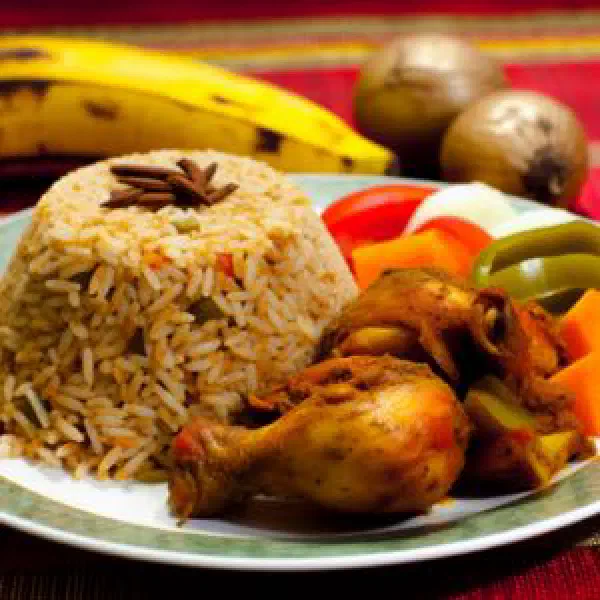
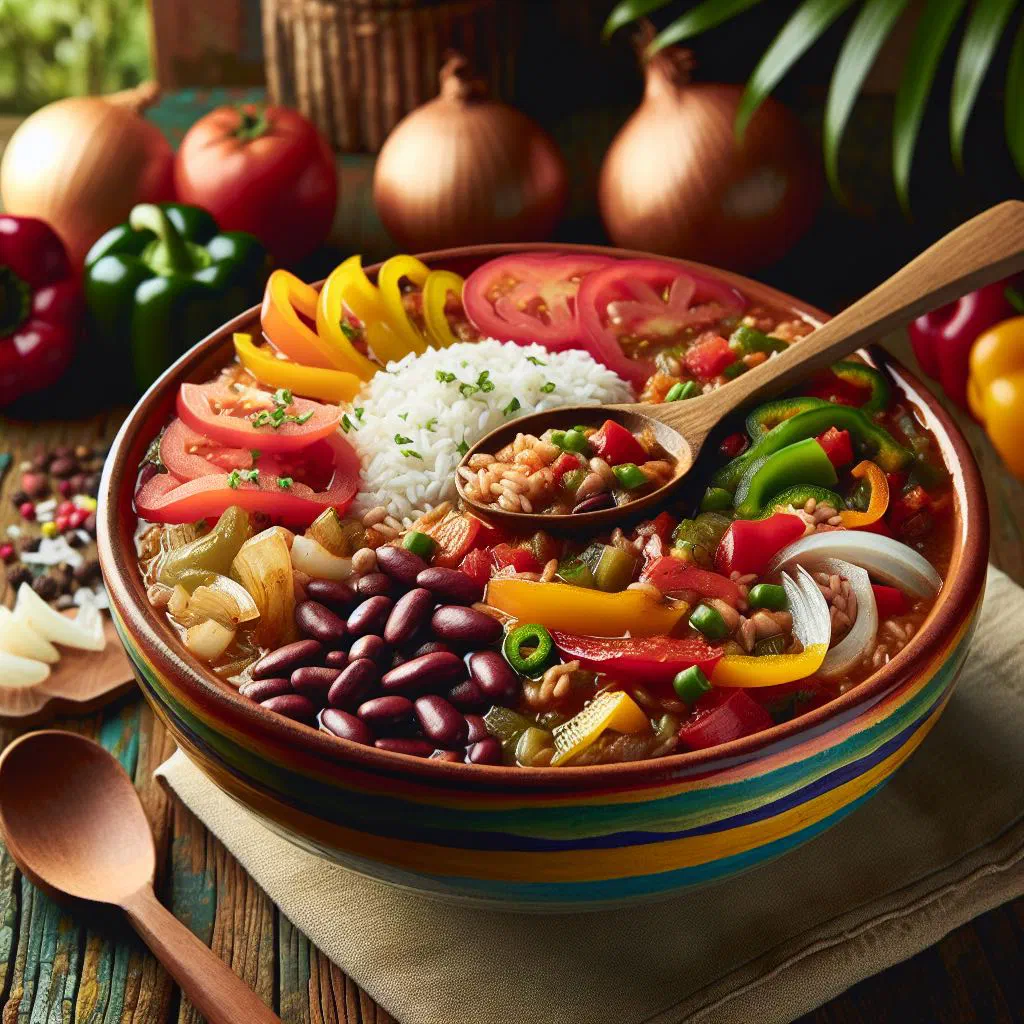
Meet Moksi Alesi, the national dish of Suriname and a wonderfully fragrant one-pot of rice, vegetables and warm spices. The name means “mixed rice” in Sranan Tongo, and that is exactly what it delivers: everything cooked together in a single pan until the grains take on the colour and aroma of turmeric and cumin. It is humble, generous food, the kind that fills a table and tells you a great deal about the country it comes from.
About Moksi Alesi
Moksi Alesi, the national dish of Suriname, is a delicious mixture of rice, vegetables and aromatic spices. It reflects the cultural diversity of a country shaped by many influences, Indigenous, African, Indian and European traditions among them. In every mouthful you find the harmonious combination of those flavours, capturing the very essence of Suriname. This dish is a feast for the palate and a journey through the country’s history and its culinary practices, much like the layered Pom served at family celebrations.
Ingredients (serves 1–2)
- 200 g rice
- 100 g mixed vegetables (carrots, peas, peppers, for example)
- 150 g fish or meat (optional)
- 1 onion
- 2 cloves of garlic
- 1 teaspoon turmeric
- 1 teaspoon cumin
- Salt and pepper to taste
- 2 tablespoons vegetable oil
- Fresh herbs, to garnish
Shopping for the ingredients
For moksi alesi you should choose fresh, good-quality produce. Visit local markets or wholefood shops to find vegetables and herbs grown in the region. Fine spices such as turmeric and cumin can make a real difference to the flavour, so it is worth looking out for reputable brands. Pay attention to the quality of the fish or meat as well, to turn the dish into a truly memorable experience.
Preparing the dish
Preparation is the key to a successful moksi alesi. Start by rinsing the rice thoroughly until the water runs clear. This removes excess starch and stops the grains turning sticky as they cook. The vegetables should be washed and cut into small pieces, while the onion and garlic are finely chopped. If you are adding fish or meat, prepare it at this stage too and season it to your liking.
Step-by-step instructions
- Heat the vegetable oil in a large pan over a medium heat.
- Add the onion and garlic and fry until translucent.
- Add the vegetables and fry for a few minutes.
- Stir in the rinsed rice along with the turmeric and cumin, mixing everything well.
- Pour in enough water to cover the rice and bring to the boil.
- Reduce the heat, cover the pan and let the rice simmer for about 20 minutes, until tender.
- In the last 5 minutes you can add the fish or meat.
- Once cooked, season with salt and pepper and garnish with fresh herbs.
Gluten-free / lactose-free version
Moksi alesi is naturally gluten-free and lactose-free as long as you choose the right ingredients. Make sure the rice and spices contain no hidden gluten, and use vegetable oils rather than butter. That makes the dish ideal for anyone with food sensitivities, and you can enjoy this delicious meal without any worries about intolerances.
Tips for vegans and vegetarians
There are plenty of ways to make moksi alesi just as tasty for vegans and vegetarians. Instead of fish or meat, use protein-rich alternatives such as tofu or tempeh. You can also vary the vegetables and add beans or chickpeas to boost the nutritional value, a trick that works equally well in Surinaamse Bruine Bonen. Be generous with spices and herbs to intensify the taste and bring out the aromas of the various plant-based ingredients.
More tips and tricks
There are many simple tricks that make moksi alesi easier and better. Soaking the rice beforehand, for instance, helps to shorten the cooking time. Another useful tip is to cut the vegetables into evenly sized pieces so they cook at the same rate. Experiment with different spices to adjust the flavours to your taste, and be creative with seasonal vegetables.
Adapting the recipe to your taste
Moksi alesi is easy to tailor to personal preference. If you love spicy food, add a little chilli or hot pepper. For a heartier version, increase the amount of protein and vegetables. Cook the rice to whatever consistency you prefer, whether light and loose or a little stickier. Treat the recipe as a base for experimentation and enjoy mixing the flavours.
Ingredient substitutions
If you do not have everything to hand for moksi alesi, there are many alternatives. Quinoa can stand in for the rice and makes the dish even more nutritious. Different vegetables such as courgette or broccoli work well too. With the spices you can give your creativity free rein and try things like paprika powder or ginger.
Drink pairing ideas
Several drinks complement the flavours of moksi alesi nicely. A cool, light beer is a refreshing choice, while a fruity cocktail can support the more exotic notes of the food. Traditional lemonade or a homemade iced tea are delicious options as well, and a glass of spiced Gemberbier is a fine local pairing. Whichever you choose, keep it fresh and light so the flavours of the dish stay in the foreground.
Serving and presentation ideas
Presentation can lift moksi alesi considerably. Serve the dish in a large bowl and garnish it with fresh herbs such as coriander or spring onions for a visually appealing result. Use colourful vegetables to increase the contrast and make the plate look inviting. The right tableware also contributes to the overall effect and enriches the whole eating experience.
A bit of history
Moksi alesi has a fascinating history that reflects the cultural influences of Suriname. The dish has its roots in traditional cooking and has evolved over the years as different ethnic groups brought their own flavours and techniques to it. That makes it not merely a meal but a symbol of the harmonious coexistence of many cultures, a hallmark of Surinamese cuisine as a whole. Historically the dish was prepared for festivals and celebrations, showing how important shared mealtimes have always been to the community.
More recipe ideas
Summary: Moksi Alesi
In short, moksi alesi is an extremely tasty and versatile dish that expresses the cultural diversity of Suriname. With its combination of rice, vegetables and spices it offers a unique flavour experience that will pleasure any food lover. Moksi alesi is the perfect choice for any occasion. Give it a go and let the flavours of Suriname work their magic.