National Dish Suriname: Nasi (Recipe)
In this article
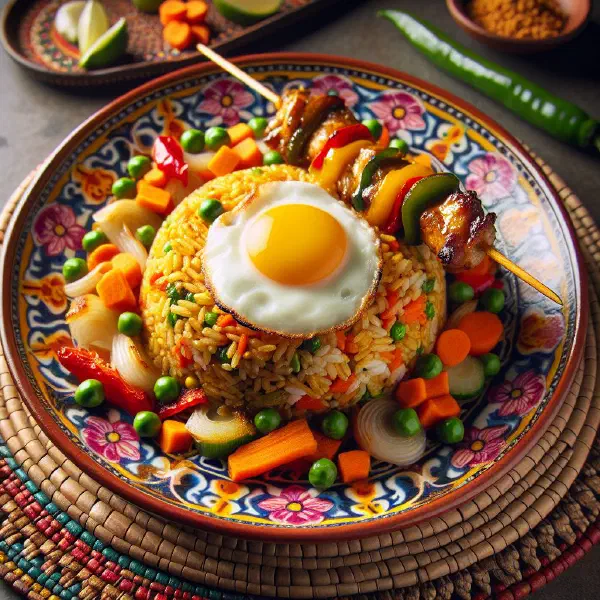
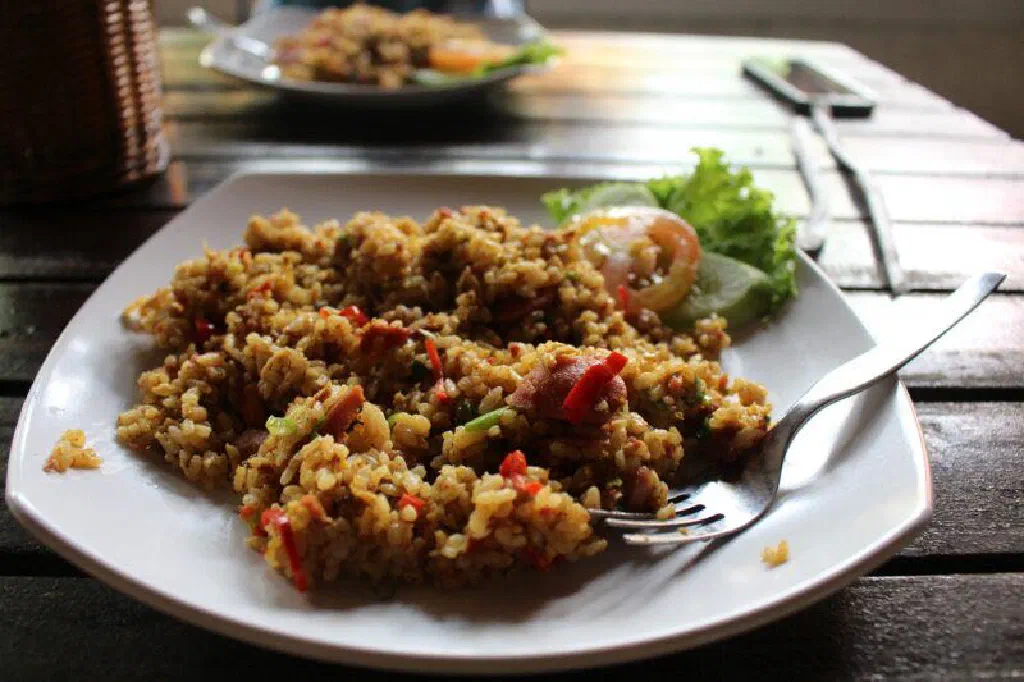
Discover Nasi, one of Suriname’s most cherished everyday dishes. Fragrant rice is tossed with warm spices, tender chicken or vegetables and a generous splash of soy sauce until every grain glows golden. It is the kind of food that turns a simple weeknight into an occasion, and it comes into its own when the table is crowded with friends and family. Best of all, it bends happily to whatever you have in the kitchen.
About Nasi
Nasi is a traditional dish from Suriname built around fragrant rice. This much-loved rice variation is packed with spices and other ingredients that round out the flavour beautifully. It is especially popular at sociable gatherings, since it works so well as a main course. Thanks to its versatility, it is easy to adapt to personal preferences and to enjoy in any number of ways.
Ingredients (serves 1–2)
- 200 g long-grain rice
- 1 chicken breast fillet (or 200 g vegetables)
- 100 g peas
- 1 onion
- 2 cloves of garlic
- 2 tablespoons soy sauce
- 1 teaspoon turmeric
- 1 teaspoon pepper
- 1 tablespoon oil, for frying
- Fresh coriander leaves, to garnish
Shopping for the ingredients
The ingredients for nasi are easy to find in most supermarkets and Asian grocery shops. The spices in particular, the turmeric and the soy sauce, matter most for hitting the authentic flavour of the dish. Where you can, choose fresh produce to get the very best out of your nasi. Smaller markets often stock fresh herbs too, which lift the finished plate even further.
Preparing the dish
Getting nasi right comes down to good preparation. Start by cooking the rice according to the packet instructions and use that time to get everything else ready. Finely chop the onion and the garlic so they release their aromas properly once they hit the pan. The chicken should be cut into small cubes so it cooks through evenly.
Step-by-step instructions
- Cook the rice according to the packet instructions.
- Heat the oil in a pan and fry the onion and garlic.
- Add the chicken or the vegetables and fry until cooked through.
- Stir in the peas and the spices and mix everything well.
- Add the cooked rice and drizzle the soy sauce over the top.
- Toss thoroughly and leave over the heat for a few minutes so the flavours mingle.
- Serve the nasi hot, garnished with fresh coriander leaves.
Gluten-free / lactose-free version
For a gluten-free nasi, simply use gluten-free soy sauce, which is widely available and tastes much like the conventional kind. Lactose-free eating is no obstacle either, as the dish normally contains no dairy at all. Just make sure every ingredient you use is genuinely free from gluten, especially where processed products are involved.
Tips for vegans and vegetarians
Nasi adapts wonderfully to the needs of vegans and vegetarians. Instead of chicken, reach for tofu or seitan, both excellent protein-rich alternatives. You can also pile in extra vegetables such as peppers, carrots or broccoli to boost the colour and the nutritional value. Play with different spices and herbs until the flavour is exactly how you like it, much as you would with a plate of Gado Gado.
More tips and tricks
To enrich the aroma of your nasi, add a few drops of sesame oil or chilli oil. These specialist oils bring an extra note to the dish and make it far more interesting. For a rustic, juicy touch, scatter roasted peanuts or cashews over the finished rice. A fresh lime for garnishing is another fine idea, its juice makes a delicious contrast to the spiced flavours.
Adapting the recipe to your taste
Everyone has their own preferences when it comes to making nasi. Feel free to adjust the dish to suit you, whether that means adding different vegetables or dialling the heat up and down. The side dishes matter too, be it fried plantains in the style of Bakabana or a punchy sambal. Experiment with the ingredients until you have created your own personal version.
Ingredient substitutions
If you do not have certain ingredients to hand, there is always an alternative. Instead of long-grain rice you can use jasmine rice, which is slightly sweeter in flavour. For those who avoid meat, pulses are a healthy and protein-rich stand-in, as they are in a bowl of Dahl. The spices can be varied as well, as long as you keep the character of the dish intact. Remember to balance whatever you choose against the remaining ingredients.
Drink pairing ideas
Nasi goes splendidly with soft drinks or a glass of white wine. A homemade lemonade with fresh herbs is a lovely choice that supports the flavours of the dish. If you would rather have something alcoholic, try a light beer or an easy-drinking Riesling. Both harmonise beautifully with the spiced, aromatic notes of the rice.
Serving and presentation ideas
Presentation can lift the whole nasi experience. Serve the dish freshly made in a large bowl and garnish it with fresh herbs and roasted nuts. You might also set out a little lime juice or chilli sauce on the side to intensify the flavours further. Your guests will appreciate the care you have taken, and it makes a splendid addition to your next shared dinner.
A bit of history
Nasi reflects the cultural diversity of Suriname, a country shaped by many different ethnic groups and traditions. The dish combines Indian, Chinese and local influences and is a fine example of culinary exchange, the same crossover that gave the country its beloved Roti. In Suriname, nasi is often served on festive days and is hugely popular within the community. Those traditions make it something special not only on the plate but within Surinamese cuisine as a whole.
More recipe ideas
Summary: Nasi
Nasi is not only a straightforward dish to prepare, it is also a symbolic piece of Surinamese culture and cooking. With its varied ingredients and delicious aromas, it brings warmth and good company to the table. Meat lovers and vegans alike will find plenty of variations to suit their tastes. Give this dish a go and share the experience with friends and family to bring a little piece of Suriname into your own kitchen.