National Dish Suriname: Pangasius Curry (Recipe)
In this article
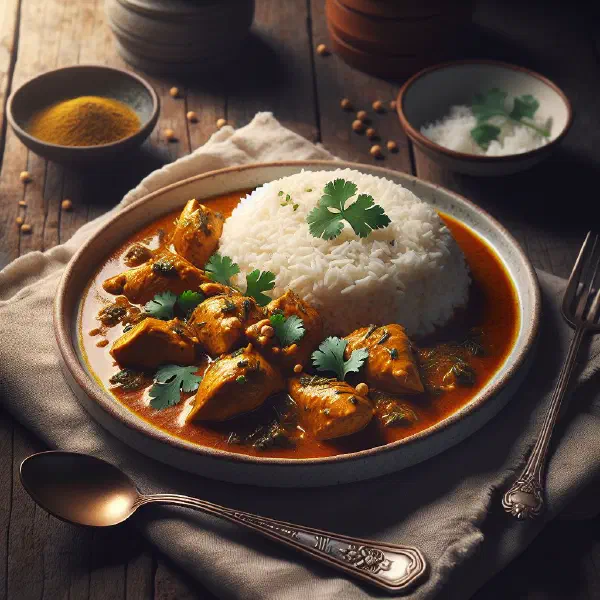
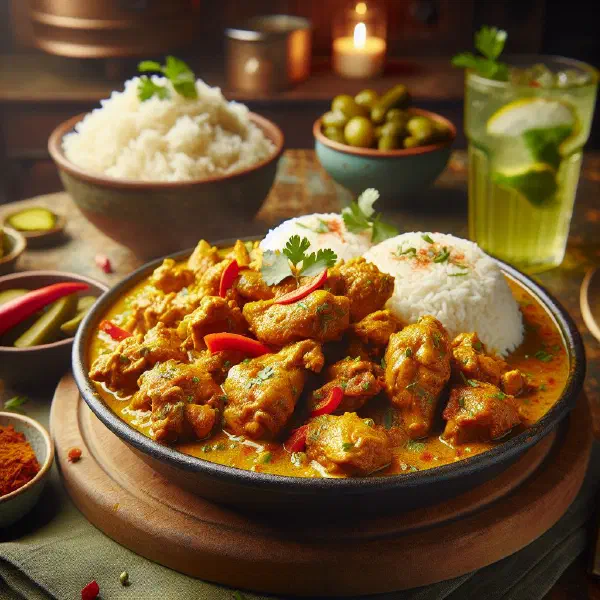
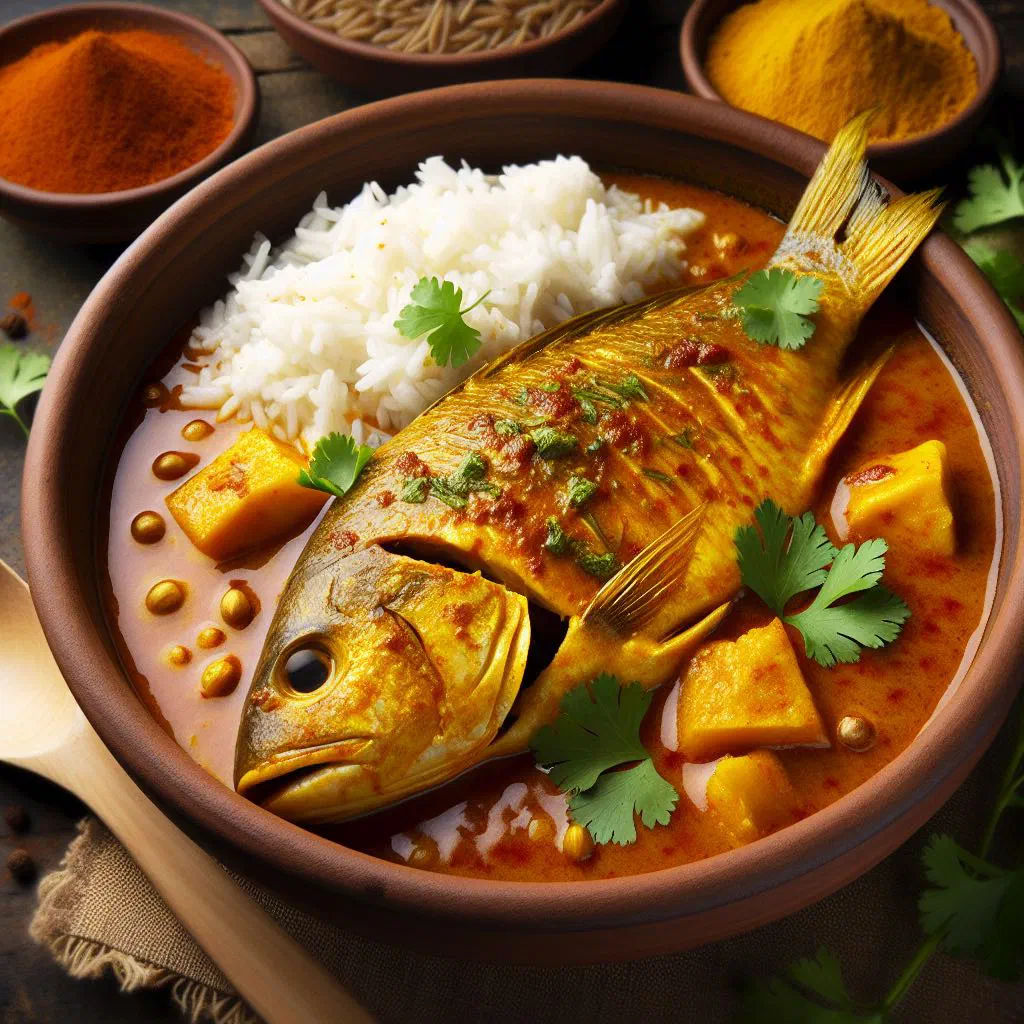
Discover Pangasius Curry, a fragrant fish dish that captures everything wonderful about Suriname’s kitchen. Tender fillets are gently poached in a golden coconut curry sauce perfumed with turmeric, cumin and warm curry spices. It is elegant enough for a celebration yet relaxed enough for an ordinary Tuesday, and it comes together in well under half an hour. One spoonful and you understand why this small South American country punches so far above its weight at the table.
About Pangasius Curry
Pangasius Curry is a much-loved dish of Surinamese cooking, admired for its exotic aromas and the delicate, buttery texture of the fish. Spices such as curry powder, turmeric and cumin turn a handful of everyday ingredients into something genuinely memorable. Suriname is famous for a culture and a cuisine that weave together Indian, Indonesian and Chinese threads, and this dish sits right at that crossroads. With its glossy, golden sauce, it is a natural choice for festive occasions or a special family dinner.
Ingredients (serves 1–2)
- 250 g pangasius fillet
- 1 onion
- 2 cloves of garlic
- 1 tablespoon curry powder
- 1 teaspoon turmeric
- 1 teaspoon ground cumin
- 200 ml coconut milk
- 1 tablespoon oil
- Salt and pepper, to taste
- Fresh coriander, to garnish
Shopping for the ingredients
When shopping for pangasius curry, it pays to seek out good-quality fish. Pangasius is often sold fresh at fishmongers and at well-stocked supermarkets, and the frozen fillets are perfectly respectable too. Make sure the onions and spices are fresh so the full aroma comes through, ground spices fade quickly once opened. Asian and Indian grocers are the best hunting ground for specialist spices and for rich, unsweetened coconut milk, the same shops that will supply you for a Kip Masala.
Preparing the dish
Preparing this dish is straightforward and moves at a brisk pace, so it helps to have everything ready before the pan goes on the heat. Start by finely chopping the onion and the garlic cloves. Cut the pangasius fillet into pieces of roughly equal size so they cook evenly and none of them fall apart in the sauce. Measuring out the spices in advance speeds up the cooking considerably and keeps the whole process calm and efficient.
Step-by-step instructions
- Heat the oil in a large frying pan over medium heat.
- Add the chopped onions and fry until translucent.
- Stir in the garlic and cook briefly, just until fragrant.
- Add the spices — curry powder, turmeric and cumin — and toast them for a few moments.
- Pour in the coconut milk and bring the sauce to a gentle boil.
- Add the pangasius fillet and let it cook in the sauce until tender and cooked through, about 8–10 minutes.
- Season with salt and pepper and garnish with fresh coriander.
Gluten-free / lactose-free version
Pangasius curry lends itself beautifully to a gluten-free and lactose-free table. Every ingredient here is naturally free of gluten, and the coconut milk is a lactose-free stand-in for conventional cream rather than a compromise. Do note, however, that some commercial curry powders contain anti-caking agents or fillers that may carry gluten. Reaching for a certified gluten-free curry powder is the simplest way to make sure the dish suits every guest at the table.
Tips for vegans and vegetarians
This recipe adapts to a plant-based diet without much effort at all. Instead of pangasius, which supplies the animal protein here, use firm tofu or a mixture of hearty vegetables to achieve a comparable texture and bite. The coconut milk can stay exactly as it is, or you can swap in almond drink or a soya-based cream if you prefer a lighter sauce. With these adjustments you end up with a thoroughly vegan curry that is every bit as aromatic and satisfying, much like the vegetable-forward Kikkererwtenstoof.
More tips and tricks
A few small tips and tricks will improve both the cooking and the eating. A pinch of sugar helps balance the spices and rounds off any sharp edges in the sauce. Depending on how much heat you enjoy, experiment with fresh chillies or a little cayenne pepper stirred in with the spices. Let the dish rest for about five minutes off the heat so the flavours can settle and deepen. Serve the curry with fresh basmati or jasmine rice to round out the meal.
Adapting the recipe to your taste
Adapting this recipe is easy, because both the spices and the ingredients can be varied to suit whoever is eating. Those who love fiery food can add extra chilli, while anyone who prefers gentler flavours can simply reduce the curry powder. The choice of vegetables is just as flexible: peppers, courgette or peas all work well and make the dish more colourful and more nourishing. With a few tweaks anyone can build the curry that suits their own palate exactly.
Ingredient substitutions
If certain ingredients are not available, there are plenty of alternatives. In place of pangasius you can use another fish such as tilapia, or even chicken breast, for a very similar result, the latter takes the dish close to a Curry Ketjap Kip. Instead of coconut milk, vegetable stock works too, though you should then be a little more generous with the spices to keep the flavour intense. Fresh coriander can be replaced with parsley if you are among those who find coriander soapy.
Drink pairing ideas
Refreshing drinks suit a plate of pangasius curry particularly well. A light, well-chilled white wine such as Sauvignon Blanc, or a fruity rosé, harmonises beautifully with the warm spices. If you would rather skip the alcohol, a homemade lime lemonade or a mint iced tea both bring a welcome freshness, as does a glass of the classic Surinamese Gemberbier.
Serving and presentation ideas
Thoughtful presentation lifts the whole experience. Serve the pangasius curry on a large, colourful plate and garnish it with fresh coriander and slices of lemon. A scattering of toasted coconut flakes adds an interesting texture as well as extra aroma. When serving rice alongside, press it into a small bowl or mould and turn it out onto the plate, a simple trick that makes the whole dish look considered rather than casual.
A bit of history
The history behind this dish mirrors the cultural variety of Suriname itself. Surinamese cooking has been shaped by the indigenous population alongside the Indian, Chinese and African diasporas, and few plates show that mixture as clearly as a curry. Curry, the backbone of this recipe, was popularised by the Indian labourers who arrived in Suriname during the 19th century and brought their spice traditions with them. The dish is a symbol of merging culinary traditions, and it is one of the clearest expressions of Surinamese cuisine you will find.
More recipe ideas
Summary: Pangasius Curry
In short, pangasius curry is a delicious and genuinely simple dish that embodies the variety and warmth of Surinamese cooking. With its aromatic curry sauce and tender pieces of fish, it works just as well for a special occasion as for a satisfying family dinner. It also adapts readily to different dietary needs, whether gluten-free, lactose-free or fully plant-based. Give it a place on your table and it will reward you with a memorable plate of food.