National Dish Suriname: Roti (Recipe)
In this article
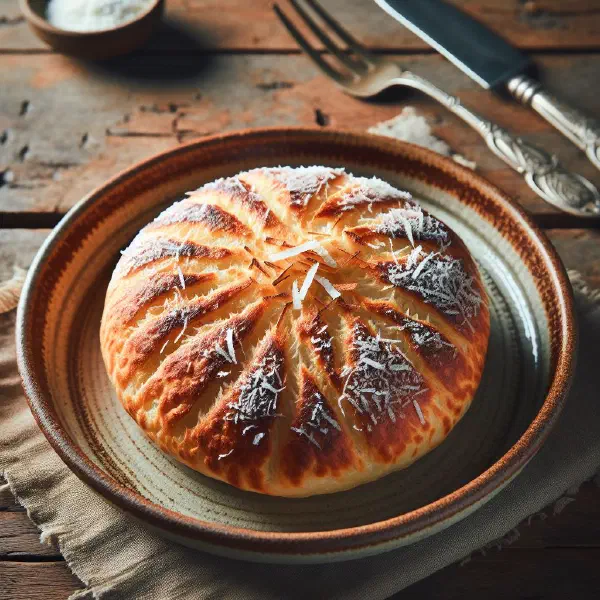
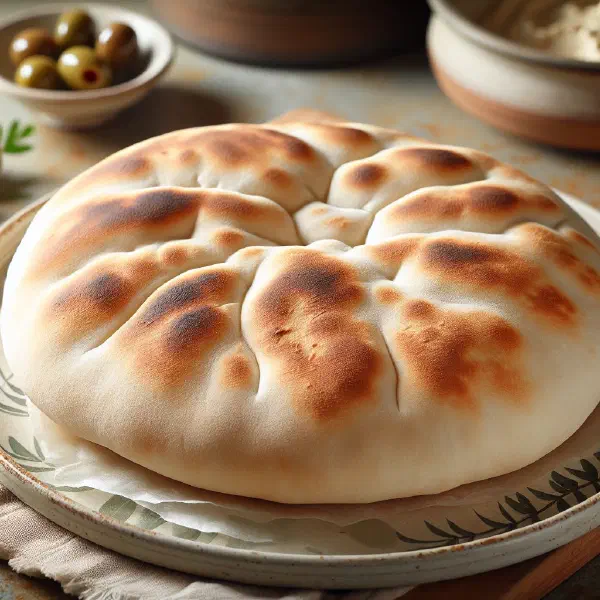
Discover Roti, the soft, golden flatbread that sits at the very heart of Surinamese home cooking. Torn by hand and used to scoop up rich curries, it turns a simple meal into something warm and companionable. The dough asks for nothing more than flour, water, salt and a little oil, yet the result is tender, pliable and quietly addictive. Bring the flavours of Paramaribo to your own kitchen with a pan, a rolling pin and half an hour of patience.
About Roti
Roti is a savoury flatbread with roots in Indian cookery that has become enormously popular in Suriname. This versatile dish is most often served alongside a range of curries, though it is just as good filled with hearty ingredients and eaten by hand. The tender texture of the bread makes it a natural partner for spiced sauces, lifting every meal with something soft and comforting. Roti is also one of the best ways into the colourful world of Surinamese cuisine.
Ingredients (serves 1–2)
- 250 g plain wheat flour
- 1 teaspoon salt
- 150 ml water (as needed)
- 2 tablespoons oil (sunflower oil, for example)
- Optional: 1 teaspoon baking powder for fluffier roti
Shopping for the ingredients
To make preparing roti as straightforward as possible, it pays to gather your ingredients in advance. Choose fresh wheat flour and a good-quality oil, since both have a direct bearing on the texture of the finished flatbread. If you like, add baking powder to make the roti even lighter and airier. Almost everything on the list is available in any well-stocked supermarket.
Preparing the dish
Before you start on the roti, have all your ingredients to hand. Make sure you have a clean work surface and the necessary utensils ready to go. A large mixing bowl for the dough and a board for rolling out will both make life easier. With that groundwork done you are well prepared for the roti and can get straight on with it.
Step-by-step instructions
- In a large bowl, combine the wheat flour with the salt (and the baking powder, if using).
- Add the water gradually and knead thoroughly until you have a smooth, supple dough.
- Leave the dough to rest for around 30 minutes so it becomes more elastic.
- Divide the dough into small portions and roll each one out thinly on a floured surface.
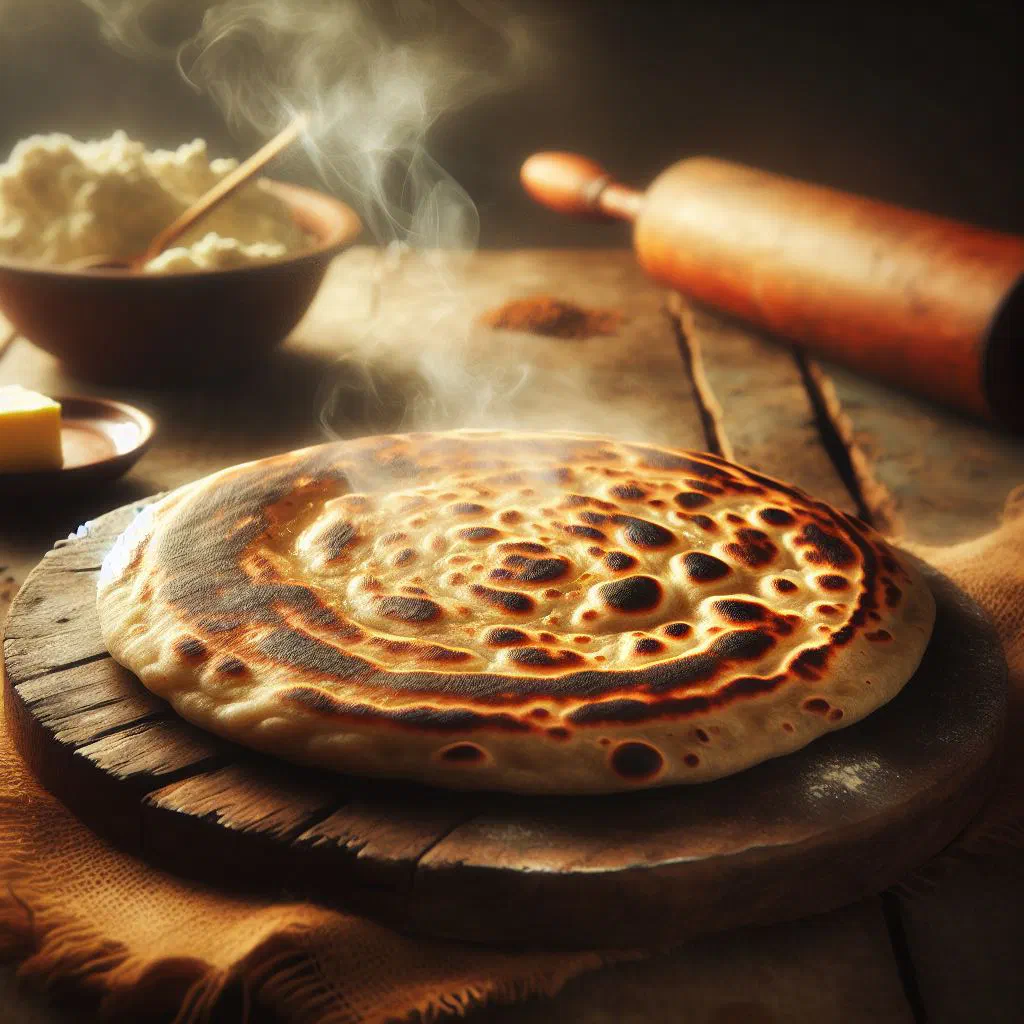
- Heat a frying pan and cook the rolled-out rotis one at a time on both sides until golden brown.
- Before serving, brush the rotis with a little oil to taste and keep them warm.
Gluten-free / lactose-free version
If you would like a gluten-free or lactose-free version of the roti, you can use a gluten-free flour such as rice flour or almond flour. Be sure to choose a suitable plant-based oil that contains no dairy at all. The method stays much the same, though the texture may differ slightly. Experiment with different gluten-free flour blends to find the result that works best for you.
Tips for vegans and vegetarians
Roti is an ideal dish for vegans and vegetarians, since the ingredients contain no animal products whatsoever. For a vegan version, simply stick to plant-based oils and flavourings. Fill the bread with vegetables, pulses or vegan cheese to make it even more satisfying, a spiced Dahl is a classic partner. The interplay of different spices gives roti a wonderful depth and turns it into a meal in its own right.
More tips and tricks
A few small tricks will help you produce the perfect roti. Make sure the pan is properly preheated so the bread cooks evenly. Covering the rotis with a tea towel after frying keeps them warm and soft. Variation matters too: experiment with different fillings and spices to tune the bread to your own taste.
Adapting the recipe to your taste
Everyone has different preferences, and roti is no exception. You can adjust the basic recipe easily by trying other types of flour or by working extra spices into the dough. Fresh herbs such as coriander or parsley folded through the dough add a bright, refreshing note. For a sweeter twist, look at Kokos Roti or the nutty Pinda Roti. Let your creativity run and make the dish entirely your own.
Ingredient substitutions
If you do not have every ingredient for the roti in the cupboard, there are several alternatives you can turn to. Instead of wheat flour, try spelt flour or buckwheat flour for a different flavour and texture. When it comes to the oil, coconut oil lends the roti a gently tropical note. Simply see what you have to hand and experiment from there.
Drink pairing ideas
A number of drinks go beautifully with a plate of roti. Traditionally it is served with chai or a cooling lassi, both of which complement the spice of the accompanying curry. For a non-alcoholic option, refreshing mint water or freshly pressed fruit juice both work well, as does a homemade Gemberbier. The right drink alongside the bread makes the whole meal feel that bit more special.
Serving and presentation ideas
Presentation can lift your roti considerably. Serve it on a large platter, surrounded by colourful curries or vegetable sides such as Kip Masala. Use fresh herbs as a garnish and offer a few different dips in small bowls. An appealing spread makes the food taste better and encourages guests to dive in.
A bit of history
Roti has its origins in Indian cookery but was developed further by the rich cultural influences of Suriname. Early immigrants from India brought the flatbread tradition with them, and it quickly became part of the local food culture. Making roti has become a symbol of community and family across the generations. Today it is a staple food and a marker of Suriname’s remarkably diverse culture.
More recipe ideas
Summary: Roti
To sum up, roti is a wonderful bread that fills you up and brings together the flavours of Suriname and India. It offers countless opportunities for adaptation and makes an excellent addition to a great many other dishes. Whether at breakfast, lunch or dinner, roti is always a good choice and slots easily into everyday cooking. Let the making of it inspire you and enjoy this delicious national dish.