National Dish Suriname: Surinamese Roti (Recipe)
In this article
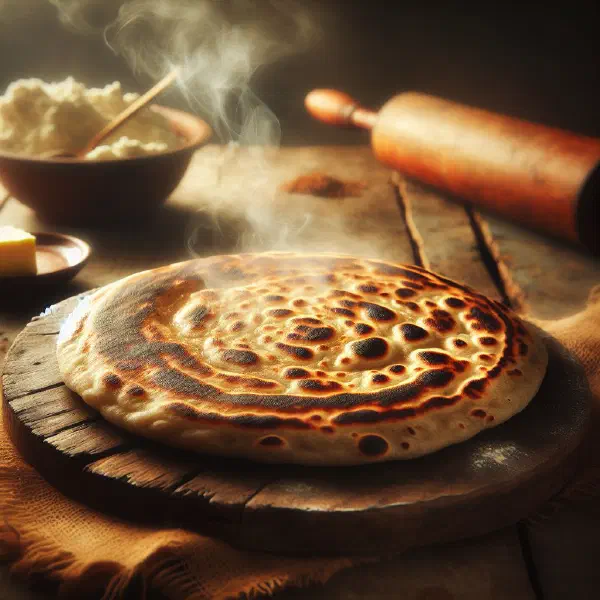
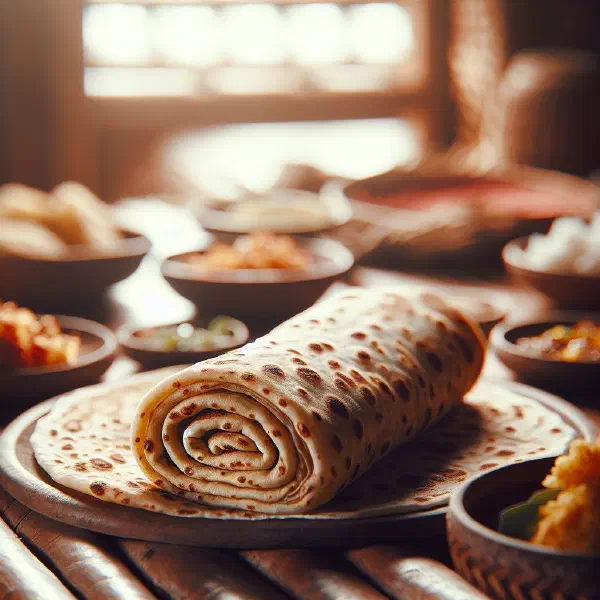
Few things say Suriname quite like a warm stack of roti on the table. These soft, pillowy flatbreads are torn by hand and used to scoop up rich, spiced curries, and they carry the story of the country in every layer: Indian technique, Caribbean warmth and a very Surinamese sense of hospitality. They take only a handful of pantry staples, yet the difference between shop-bought and homemade is enormous.
About Surinamese Roti
Roti is a traditional dish from Suriname that is treasured in homes and restaurants alike. These fluffy flatbreads are not only delicious but wonderfully versatile, and they are usually served with a whole range of curries and fillings. The method has its roots in Indian cooking, which left a lasting mark on the country’s culinary tradition. In this way roti brings together the many flavours and cultures of Suriname in a single dish, much as a plate of Dahl does.
Ingredients (serves 1–2)
- 200 g wheat flour
- 1 teaspoon salt
- 1 tablespoon oil
- 120 ml water
- Butter, for brushing
Shopping for the ingredients
The most important thing is to choose a good-quality flour. Make sure it is fresh and free from additives so you get the best possible flavour. Salt and oil are equally fundamental, rounding out the taste of the dough. Some Asian or Indian grocers stock special flour types that are particularly well suited to roti, so it is worth a look if you have one nearby.
Preparing the dish
Before you start cooking, gather your ingredients and clear a clean work surface. Measuring the quantities accurately makes a real difference to the result. The dough needs to be kneaded thoroughly to reach the right consistency. It should be smooth and soft. Remember, too, that the dough needs a resting period once mixed so the gluten can relax.
Step-by-step instructions
- Combine the wheat flour and salt in a large bowl.
- Add the oil and water and knead well until you have a supple dough.
- Place the dough in a bowl, cover with a cloth and leave to rest for 30 minutes.
- Divide the dough into 4 equal portions and shape each one into a ball.
- Roll the balls out thinly on a floured surface.
- Heat a pan and cook the rolled-out flatbreads one at a time over high heat.
- Brush with butter once cooked and serve warm.
Gluten-free / lactose-free version
If you would like to make roti without gluten, use a gluten-free flour blend suitable for doughs. Look for a mix with good binding power so the roti does not crack as you roll and fold it. For a lactose-free version, replace the butter with plant-based fats or oils that offer much the same flavour and behaviour. Feel free to experiment with different milk alternatives until you find the consistency you like best.
Tips for vegans and vegetarians
Vegans can adapt roti very easily simply by leaving out animal products. The recipe calls for basic plant ingredients only, which makes it naturally vegan-friendly. Use plant oils for cooking and brushing, and adjust your fillings to include vegetables or pulses, a Chickpea Stew is a classic partner. That way you can create healthy, tasty roti variations that still deliver plenty of nutrients.
More tips and tricks
It helps to let the dough rest for around 10 minutes before rolling, as this makes it far easier to handle. Use a generously floured work surface to stop the dough sticking. A rolling pin or a well-oiled surface can simplify the process too. If you can, practise your rolling technique to get the flatbreads as thin as possible, which guarantees even, quick cooking.
Adapting the recipe to your taste
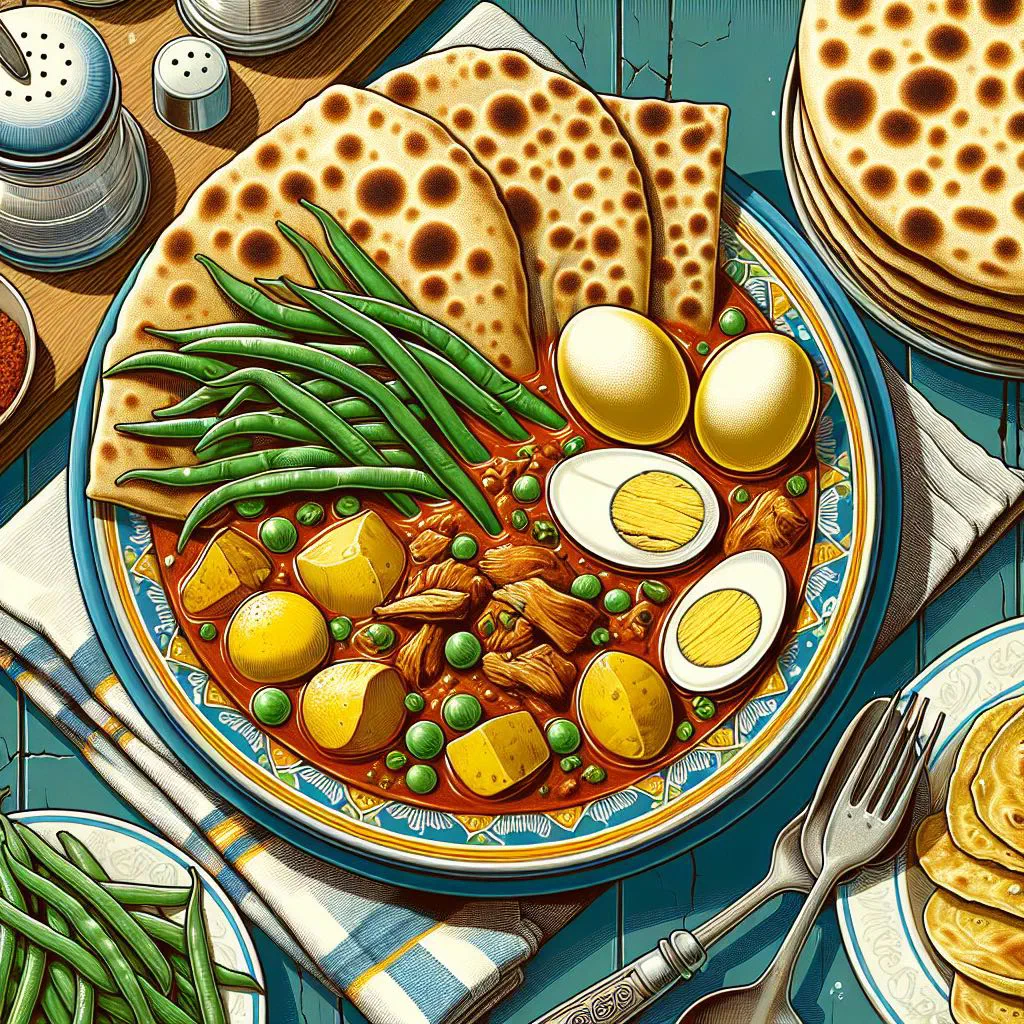
Roti takes happily to small adjustments. Roll the breads thicker for a chewier, more filling bread, or thinner for something closer to a wrap. A pinch of ground turmeric in the dough gives a lovely golden colour, while a split-pea filling turns the plain bread into the celebrated roti pannekoek served with chicken curry. Choose the version that best suits the meal you are building around it.
Ingredient substitutions
If you would rather not use wheat flour, reach for rice flour or millet flour to create your own take on roti. Should you be out of oil, apple sauce or yoghurt will give a similar texture. Spices such as turmeric or cumin also make excellent additions to the dough for extra flavour. Give your creativity free rein and experiment with different ingredients, the same spirit that shapes a bowl of Masala Chicken.
Drink pairing ideas
Refreshing drinks work best with roti: think homemade lemonade or a cup of spiced chai. A mild Indian-style beer is another excellent match for the flavours on the plate. If you are after something alcohol-free, try mint water or a fruity sparkling water, which sits beautifully alongside the gentle spice of the bread and its fillings. Drinks like these lift the whole meal.
Serving and presentation ideas
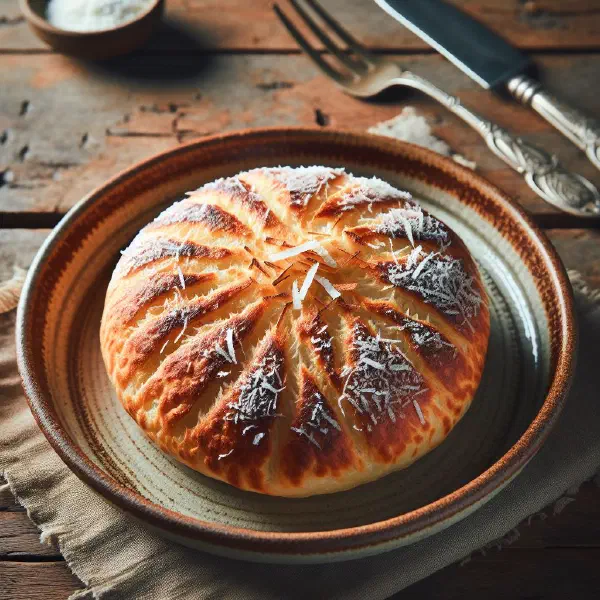
To show roti off at its best, stack the flatbreads on an attractive plate and garnish with fresh herbs such as coriander or mint. Serve them with a selection of dips or curries in small bowls to create an appetising spread. Arranging everything on a wooden board is a stylish, rustic touch, and a little decorative crockery goes a long way towards impressing your guests. Sweeter breads such as Coconut Roti make a fine addition to the table.
A bit of history
The story of roti reaches back to Indian cooking, where it has been a staple for centuries. In Suriname the dish arrived with Indian immigrants in the 19th century, who brought their culinary traditions with them. Today roti is a symbol of the country’s cultural diversity and of a history shaped by the meeting of many ethnic groups. The dish reflects the breadth of influences you find throughout Surinamese cuisine.
More recipe ideas
Summary: Surinamese Roti
In short, roti is not only a much-loved dish in Suriname but a wonderful way to experience the country’s culinary highlights. With its many preparations and fillings, roti brings the fine flavour of traditional cooking straight to the table. Vegetables or pulses, it offers a genuinely distinctive eating experience. We invite you to explore the world of Surinamese cooking and make roti for yourself.