National Dish Suriname: Watrabak Stoba (Recipe)
In this article
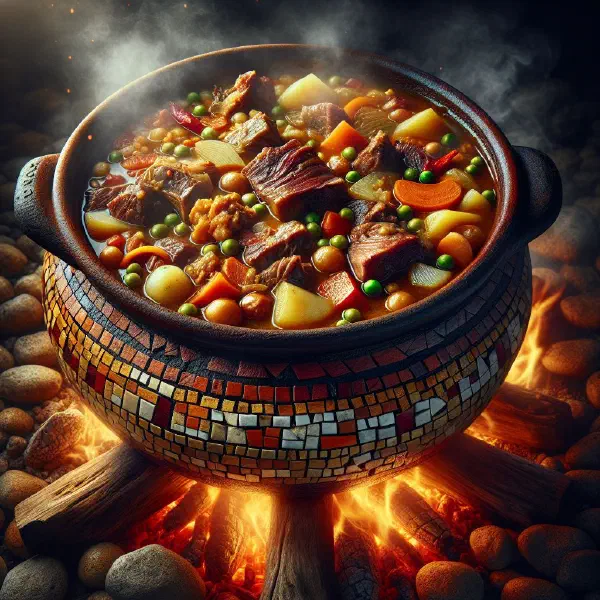
Meet Watrabak Stoba, the hearty Surinamese stew that turns tender meat, garden vegetables and a warm handful of spices into a single pot of comfort. It is the kind of dish that fills a kitchen with aroma long before anyone sits down, and it carries the layered flavours of a country where Indian, Dutch, African and Javanese cooking have all left their mark. This stew rewards patience with deep, satisfying flavour.
About Watrabak Stoba
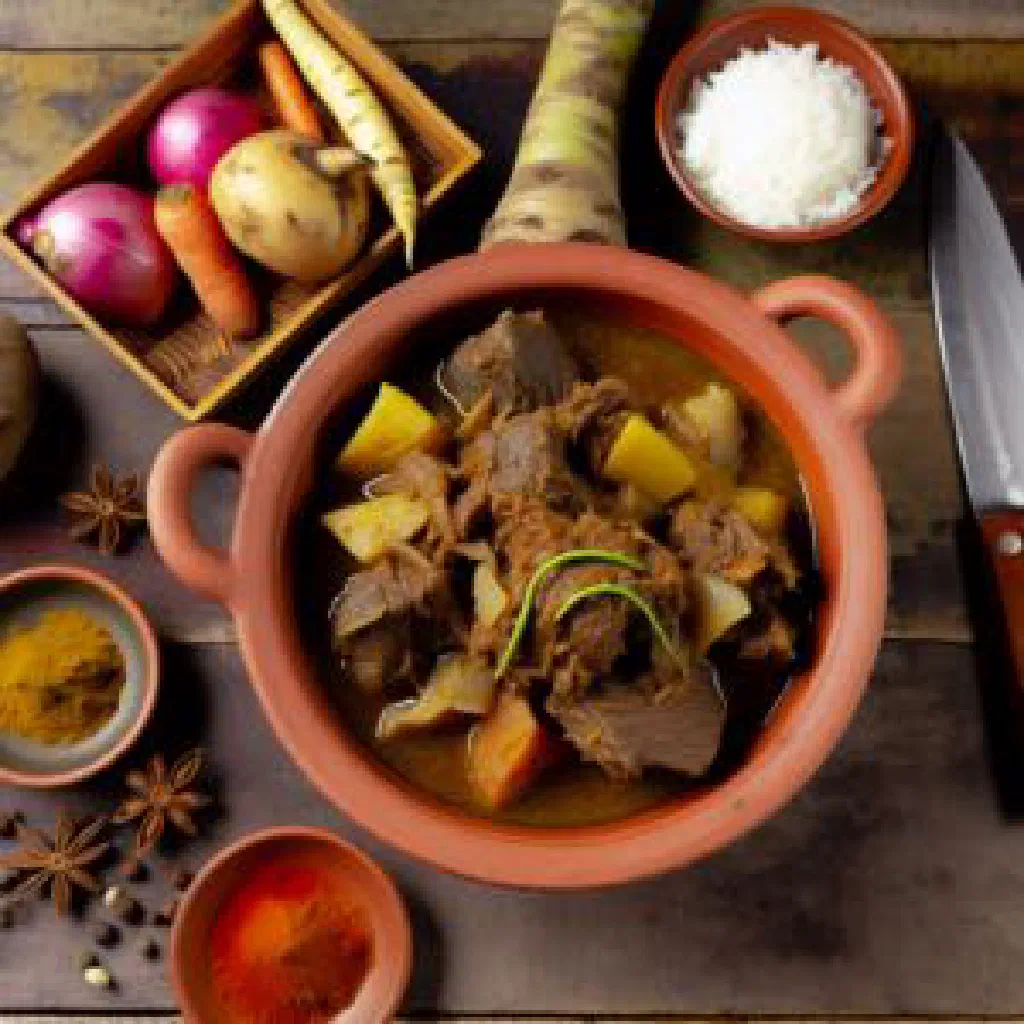
Watrabak Stoba is a traditional Surinamese stew served in countless households as a much-loved national dish. Its foundation is tender pieces of meat simmered in a rich sauce of spices, fresh vegetables and sometimes pulses. The dish reflects the cultural diversity of Suriname, where many communities and culinary traditions meet in the same pot. From special occasions to an ordinary family supper, watrabak stoba brings people to the table and wins them over with its generous aromas.
Ingredients (serves 1–2)
- 300 g beef or chicken
- 1 onion, diced
- 2 cloves of garlic, chopped
- 1 carrot, sliced
- 1 pepper, diced
- 2 potatoes, diced
- 100 g green beans
- 1 tsp cumin
- 1 tsp paprika
- Salt and pepper to taste
- 2 tbsp vegetable oil
- 500 ml water or stock
Shopping for the ingredients
The ingredients for watrabak stoba are available in most supermarkets and on local markets, especially in areas with a diverse food culture. Choose fresh meat and crisp vegetables to get the best possible flavour. Many of the aromatic spices sit in the international aisle, and if you are after genuinely authentic ingredients it is worth looking in Asian or Caribbean shops, where you will also find much of what goes into Surinaamse Massala Kip.
Preparing the dish
Before you start cooking, it helps to get everything ready. That means slicing the vegetables and cutting the meat into even pieces so it cooks through at the same rate. Measure out the spices too, so they are within easy reach once the pan is hot. Careful preparation does not just save time. It keeps the whole cooking process calm and unhurried.
Step-by-step instructions
- Heat the vegetable oil in a large pan over a medium heat.
- Add the onion and garlic and fry until golden brown.
- Add the diced meat and brown it well on all sides.
- Stir in the chopped vegetables and the spices and mix everything thoroughly.
- Pour in the water or stock, bring to the boil, then lower the heat to a gentle simmer.
- Cook the stew for around 30–40 minutes, until the meat is tender and the flavours have come together.
- Serve the watrabak stoba hot with rice or bread.
Gluten-free / lactose-free version
Watrabak stoba is straightforward to cook and easily adapted to particular dietary needs. To make it gluten-free, use a gluten-free stock and check your spice blends to be sure none of them contain gluten. A lactose-free version needs no work at all, since the stew contains no creamy ingredients to begin with. That means everyone can enjoy the richness of Surinamese cooking, whatever their dietary restrictions.
Tips for vegans and vegetarians
The recipe adapts to a vegan or vegetarian table without any fuss. In place of meat, use tofu, seitan or a plant-based meat alternative with a similar bite. Swap the stock for a good vegetable stock so the flavour stays full and rounded. It is also worth adding extra vegetables such as pumpkin or courgette, which enrich the stew nicely, much as the greens do in Tayerblad.
More tips and tricks
A few small touches will get the most out of your stew. A splash of coconut milk lends a subtle sweetness and a silky texture. Adding sweet potatoes gives you an appealing variation in both flavour and texture. A long, slow cook keeps the meat tender and lets the spices work their way through, so feel free to adjust the timing to suit the cut you are using. And do not forget a scattering of fresh coriander at the table for a bright finishing note.
Adapting the recipe to your taste
When you cook your own version of watrabak stoba, do not hesitate to experiment and shape the recipe around what you like. The seasoning can be turned up or dialled back to suit your palate. The choice of meat and vegetables is equally flexible, and swapping one for another opens up new flavours each time. Make the stew your own and you will end up with a dish your family asks for again and again.
Ingredient substitutions
There are plenty of alternatives if something in the list is unavailable. Instead of beef or chicken, try lamb or fish for a different depth of flavour, the latter takes the dish towards the coastal spirit of Surinaamse Visballetjes. For a meat-free version, chickpeas or lentils are excellent choices: nourishing, filling and pleasing in texture. A little patience while experimenting usually leads to the best results.
Drink pairing ideas
The right drink rounds off the experience beautifully. A refreshing homemade lemonade or a tropical beer matches the stew’s warm aromas particularly well. If you prefer wine, a light white is a sensible choice, since it complements rather than masks the spices. Non-alcoholic options such as iced tea or fresh fruit juice are equally welcome alongside this hearty dish.
Serving and presentation ideas
Presentation adds a great deal to the pleasure of eating watrabak stoba. Serve the stew in a handsome deep bowl and garnish it with fresh herbs or a wedge of lime for colour and lift. Offer sides such as rice or bread separately so everyone can help themselves as they please. An inviting arrangement makes the meal feel like an occasion and gives you one more chance to be creative in the kitchen.
A bit of history
Watrabak stoba is rooted in Surinamese culture and shaped by the many communities that have made the country what it is. With influences drawn from Indian, Dutch and African cooking, the stew mirrors a society built on fusion and exchange. Historically it has often been prepared for festivals and special occasions, valued for its rich flavours and generous, sustaining character. Cooking it is a way of keeping that tradition alive while getting to know the history behind Suriname’s cuisine.
More recipe ideas
- Surinaamse Stoofvlees
- Surinaamse Bruine Bonen Met Rijst
- Surinaamse Krabsoep
- Surinaamse Nasi
- Surinaamse Broodje Pom
Summary: Watrabak Stoba
Watrabak stoba is more than a recipe; it is an experience that captures the richness of Surinamese cooking. With its combination of tender meat, fresh vegetables and finely judged spices, the stew offers a flavour that is both nourishing and deeply satisfying. It always arrives with a sense of love, tradition and the sheer pleasure of cooking. Let its variety and aromas inspire you, and bring a piece of Suriname into your own kitchen.