National Dish Sweden: Isterband (Recipe)
In this article
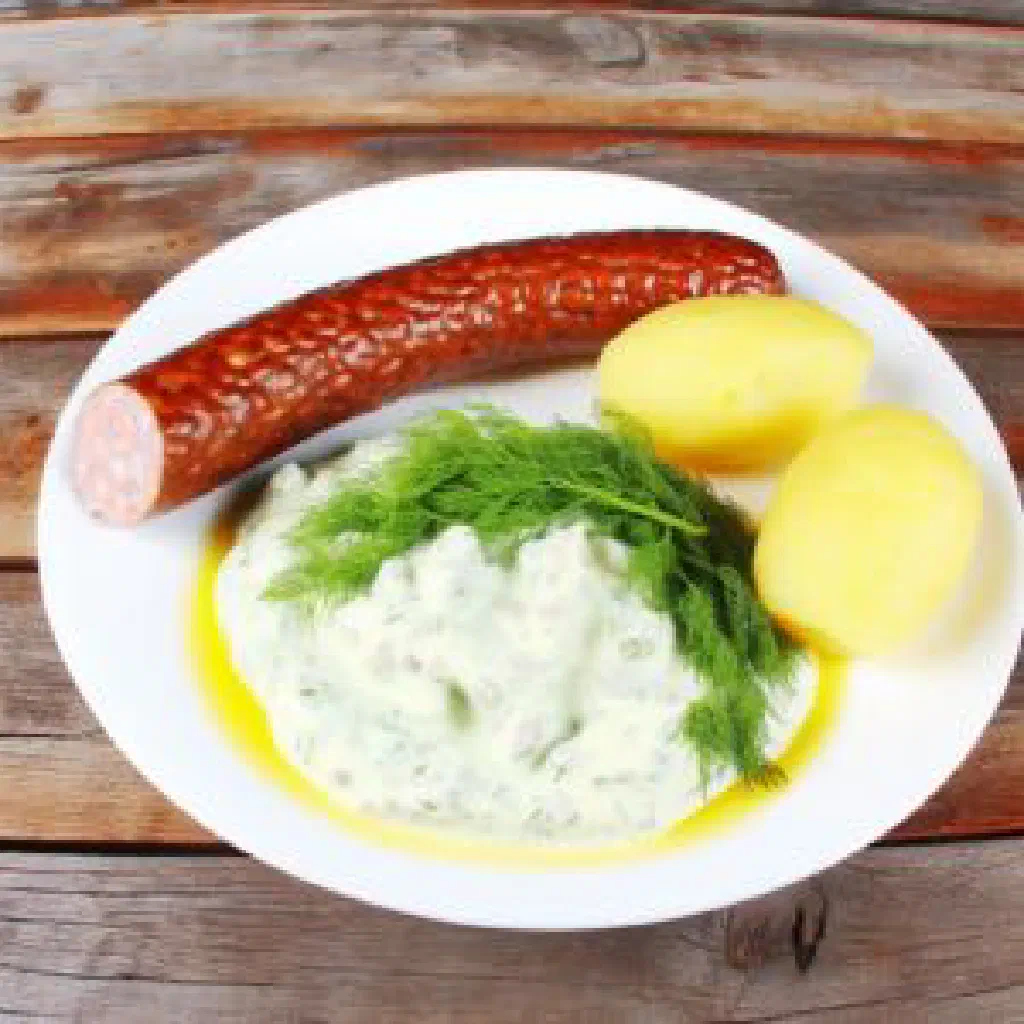
Meet Isterband, a rustic Swedish sausage that carries the hearty, savoury soul of Nordic cooking. Traditionally made from pork and a warming blend of spices, this coarse-textured sausage has long graced Swedish tables at celebrations and everyday gatherings alike. Gently simmered and then crisped in the pan, it delivers a juicy bite and a comforting depth of flavour that speaks of old country kitchens. Bring a taste of authentic Swedish tradition to your own home.
About Isterband
Isterband is a Swedish sausage speciality best known for its robust, savoury character. This traditional sausage is typically made from pork and a carefully judged mixture of spices. In Sweden it has a long history and is often served on special occasions, which makes it something of a festive treat. Warm and hearty, the dish reflects Swedish food culture while bringing a touch of Nordic tradition into any kitchen. Like the classic Köttbullar, it is a cornerstone of home cooking passed down through the generations.
Ingredients (serves 1–2)
- 400 g pork
- 100 g pork back fat
- 2 tsp salt
- 1 tsp pepper
- 1 tsp allspice
- 1 tsp mustard
- 2 cloves garlic, pressed
- Pork casings (about 2–3 metres)
Shopping for the ingredients
If you want to make isterband, it is worth using fresh ingredients to achieve the best possible flavour. Most of what you need can be found at your local supermarket or a specialist butcher’s shop. When buying the pork, look for good quality meat that ideally comes from a trusted source. The fat is essential for keeping the sausage juicy, so choose a high-quality cut here as well.
Preparing the dish
Before you begin making the isterband, gather all your ingredients and thoroughly clean the pork casings. This is an important step to ensure that no residue or impurities end up in your sausage. It is also helpful to prepare a sausage stuffer or a piping bag fitted with a suitable nozzle, so you can fill the casings evenly. Remember to weigh out the spices carefully and adjust them if needed to suit your personal taste.
Step-by-step instructions
- Finely chop the pork and back fat and combine them in a large bowl.
- Add the remaining ingredients (salt, pepper, allspice, mustard and garlic) and mix everything thoroughly.
- Leave the mixture to rest in the fridge for at least 30 minutes.
- Rinse the pork casings well and slide them onto the sausage stuffer.
- Carefully fill the casings with the meat mixture, taking care to avoid trapping any air bubbles.
- Tie off the ends securely and prick the sausages in several places with a needle so they do not burst during cooking.
- Cook the isterband in a large pot of gently simmering water for about 30–40 minutes.
- Once cooked, let the sausages cool and then pan-fry them to taste, or serve straight away.
Gluten-free / lactose-free version
Traditional isterband is naturally gluten-free and lactose-free, as long as you make sure that all the spices and ingredients used are also free from gluten. When buying spices, check that they contain no added fillers. This sausage also makes an excellent option for anyone with a lactose intolerance. That keeps it a tasty and easy-to-tolerate choice for a wide range of diets.
Tips for vegans and vegetarians
Although traditional isterband is made from meat, there are plenty of vegan and vegetarian alternatives you can try. One option is to use plant-based meat substitutes made from soya or pea protein. These products can often be seasoned just like the original and offer a similar flavour. You can also work vegetables, beans and lentils into the filling to create a tasty and nutritious version of the traditional sausage. Experiment with spices to give your dish a special character.
More tips and tricks
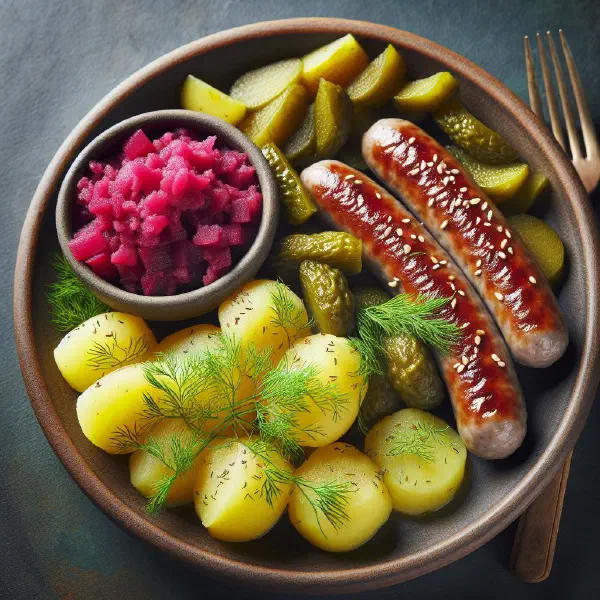
An important detail when making isterband is the temperature during cooking. It is best not to let the sausages boil but instead to cook them over low heat, which guarantees a juicy bite. Another tip is to pan-fry the sausages briefly after cooking to create a crisp outer layer. Serve them with a dollop of tasty mustard or some pickled vegetables to round out the flavour. Getting the timing right during cooking keeps the sausages aromatic and juicy.
Adapting the recipe to your taste
The wonderful thing about isterband is that you can adjust the recipe entirely to your own preferences. Do you like it especially spicy? Add more pepper or a little chilli. Prefer a sweeter note? Try stirring a touch of honey or brown sugar into the mixture. The choice of meat can vary too; instead of pork you could use poultry for a slightly different flavour. Dreaming of something more exotic? Experiment with Asian spices for a fresh twist.
Ingredient substitutions
If you do not have all the ingredients for isterband to hand, there are various alternatives you can try. Instead of pork back fat, for example, you could use rich beef fat to achieve a different flavour. In place of ordinary salt, sea salt offers a more intense taste. For a whole new turn, you might even add smoked paprika to bring a smoky note. Depending on the region, other spices may vary as well, so feel free to get creative and craft your own unique sausage. The same coarse, meaty base makes Falukorv another satisfying project for the home cook.
Drink pairing ideas
A range of drinks pairs beautifully with hearty isterband to enrich the whole experience. A classic Swedish beer is always an excellent choice for underlining the sausage’s savoury character. Dry red wines such as a Pinot Noir are a good match too, as they highlight the aromas of the spices. For a non-alcoholic alternative, a fruity lemonade or a herbal tea works well, balancing the richness of the sausage. To round off the meal, think also of a selection of beers or cocktails that play with savoury notes.
Serving and presentation ideas
The presentation of your isterband can noticeably enhance the eating experience. Serve the sausages on a wooden board alongside various dips and mustards to create a rustic atmosphere. The sausages can also be arranged on a colourful bed of fresh vegetables, which makes the plate look more lively. A neat arrangement of sausage, sides and dips will draw your guests straight to the good things on offer. Do not forget to use fresh herbs as a garnish to intensify both the colours and the aroma. A slice of Knäckebröd on the side adds a satisfying crunch.
A bit of history
Isterband has its roots in Swedish food culture and dates back to the Middle Ages. Traditionally the sausage was made from the leftovers of the slaughter, since nothing was meant to go to waste. Over the centuries it grew from a necessity of food supply into a cultural symbol, often prepared for festivals and celebrations. Preparation methods vary from region to region and offer a glimpse into the colourful diversity of Swedish cuisine and its influence on Scandinavian food culture. This sausage stands for conviviality and is a firm part of Swedish tradition. A regional favourite is the Småländska Isterband from the province of Småland.
More recipe ideas
Summary: Isterband
Isterband is a delicious sausage speciality and a superb example of Nordic food culture. With its blend of simple yet aromatic ingredients, this hearty sausage is easy to prepare in your own kitchen. By adapting it to your personal preferences and using high-quality ingredients, the whole process becomes a real pleasure. Experience the tradition and flavour of Sweden, best served with fitting sides and drinks that complete the feast.