National Dish Sweden: Lufsa (Recipe)
In this article
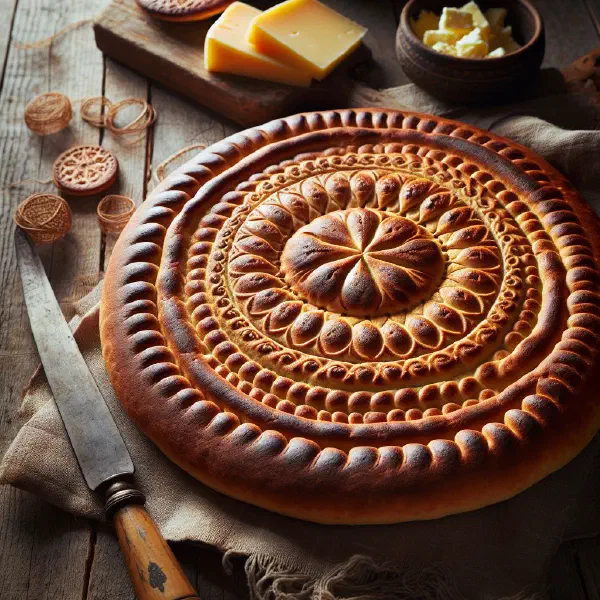
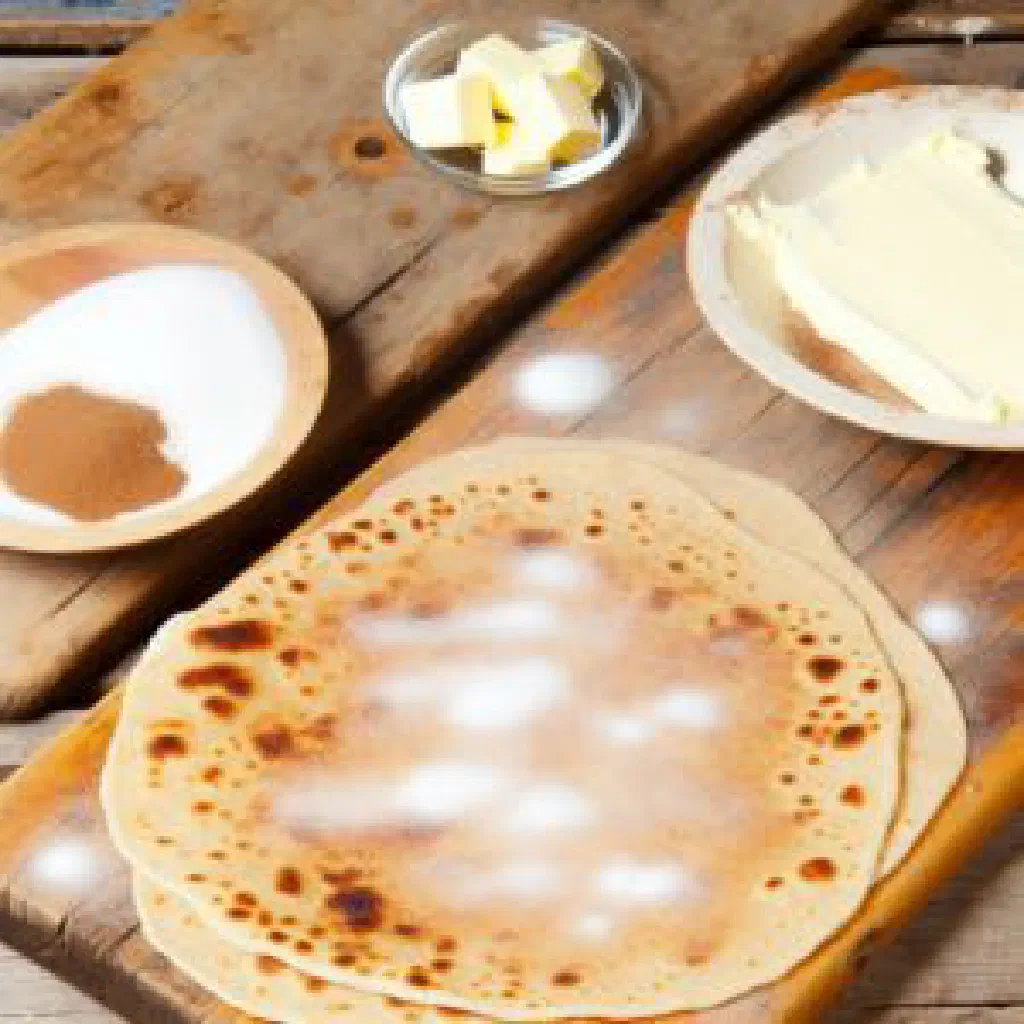
Say hello to Lufsa, a rustic Swedish flatbread with a big heart and an easygoing charm. Golden on the outside, soft within, these pan-baked rounds pair savoury depth with a satisfying chew that makes them impossible to resist. Once the humble fuel of harvest workers, Lufsa now turns up at festive tables and relaxed lunches alike. Simple to make and endlessly adaptable, it brings a taste of the Swedish countryside straight to your own kitchen.
About Lufsa
Lufsa, often known simply as Swedish bread, is a genuine highlight of Sweden’s culinary tradition. It is cherished across Sweden and by food lovers further afield, thanks to its hearty flavours and its distinctive, comforting texture. What makes Lufsa so appealing is its sheer versatility: many Swedes enjoy it at festive occasions, while others reach for it as a warming, no-fuss lunch. However you serve it, this flatbread carries the honest, homely character of traditional Swedish cooking.
Ingredients (serves 1–2)
- 200 g wheat flour
- 100 ml water
- 1 teaspoon salt
- 1 teaspoon baking powder
- 2 tablespoons oil
- Optional: spices of your choice (e.g. dill or caraway)
Shopping for the ingredients
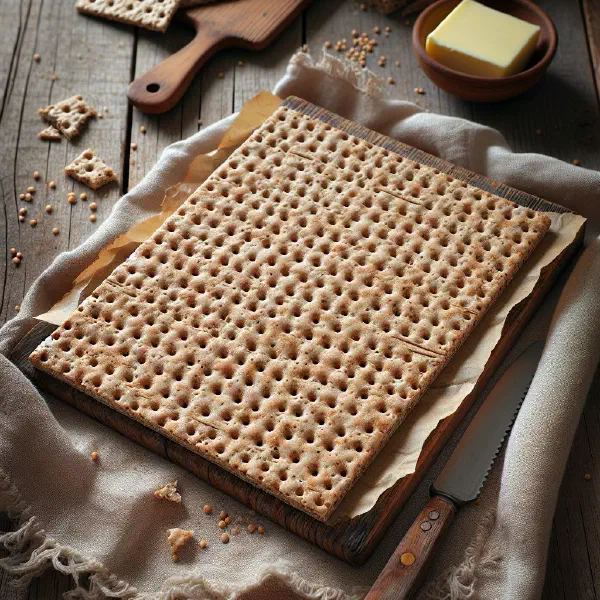
When shopping for Lufsa, it pays to reach for fresh, good-quality produce. The wheat flour should be fine and free of additives to guarantee the best possible texture. Ideally the water should be lukewarm, as this helps the ingredients come together more readily. If you fancy it, regional spices can be added to give the dish a personal touch, much like the seeded character you find in a good Knäckebröd.
Preparing the dish
Before you start making Lufsa, it is worth setting up a suitable work surface and gathering all the utensils you need. Have a bowl ready for combining the dry ingredients, and make sure you have enough space to knead the dough comfortably. Choosing the right cookware matters too if you want to create perfect Lufsa. Remember to wash your hands well and perhaps slip on an apron to protect yourself from any splashes.
Step-by-step instructions
- In a bowl, combine the wheat flour, salt and baking powder thoroughly.
- Add the water and oil and knead everything into a smooth dough.
- Roll out the dough on a floured surface and cut it into small rounds.
- Heat a pan and bake the rounds for 2–3 minutes on each side, until golden brown.
- Drain the Lufsa briefly on kitchen paper and serve warm.
Gluten-free / lactose-free version
To make Lufsa gluten-free, you can use one of the special gluten-free flour blends developed for exactly this kind of recipe. Be sure to reach for gluten-free baking powder as well. For a lactose-free version, plant-based oil works perfectly in place of anything dairy-based. Just double-check that every ingredient you use is free from lactose, so nobody with an intolerance need miss out.
Tips for vegans and vegetarians
For a vegan version of Lufsa, you can swap the oil for plant-based butter. Take care that no animal products such as milk or eggs slip into the mix. The spices can be adjusted to taste to intensify the aromas, and any filling can be varied to suit vegan preferences. With these small tweaks, this Swedish classic sits comfortably on any plant-based table.
More tips and tricks
When making Lufsa, the kneading time is crucial to the texture of the bread. Don’t knead the dough for too long, so that it stays light and fluffy. It also helps to keep the rounds an even thickness, so they bake uniformly. Experiment with different spices to create your own individual flavours, a pinch of caraway or dill goes a long way.
Adapting the recipe to your taste
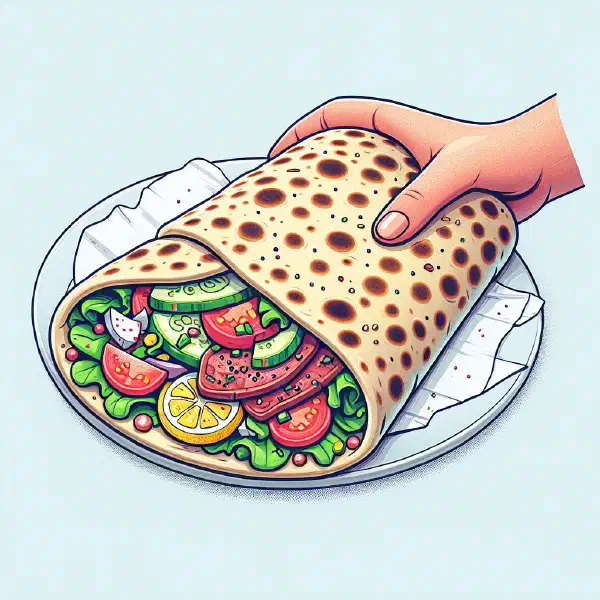
The basic ingredients of Lufsa offer a wonderful foundation that you can tailor to your own preferences. Add dried herbs or fresh ingredients, for example, to vary the flavour. The thickness of the rounds can be adjusted too, depending on whether you prefer a thicker bread or thinner flatbreads. Feel free to experiment with different fillings to keep things interesting.
Ingredient substitutions
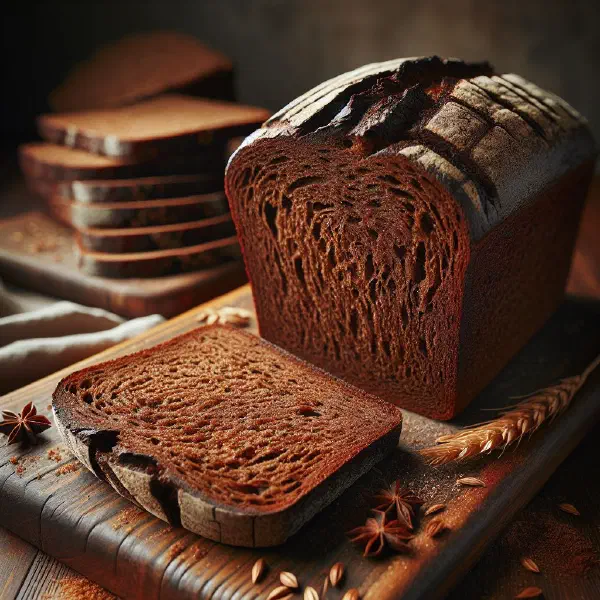
If you don’t have certain ingredients to hand, there are plenty of alternatives. You could use spelt flour in place of wheat flour for a wholesome twist, or even lean into a nuttier, rye-forward loaf in the style of Rågbröd. Instead of water, stock can be used to lend the Lufsa extra flavour. The type of oil can likewise be varied to your taste, giving you different aromatic notes each time.
Drink pairing ideas
Lufsa goes beautifully with traditional Swedish drinks such as a fragrant spiced tea or a refreshing pear lemonade. These complement the savoury aroma of the bread perfectly and add a lively note. For something with a little more indulgence, a light, fruity Swedish beer is also a fine choice. You might try a few different fruit juices too, to see which flavours you enjoy combining.
Serving and presentation ideas
Presentation can do a great deal to heighten the pleasure of Lufsa. Serve the bread on a rustic wooden board to create a cosy, inviting look. Offer a selection of toppings or dips that guests can mix and match for themselves. Fresh herbs make a lovely garnish, adding a splash of colour and lifting the whole dish visually.
A bit of history
Lufsa has a long history in Swedish cooking and was originally prepared during the harvest season. It was regarded as sustenance for the labourers working out in the fields, filling, portable and quick to make. Today it is a much-loved speciality, often served in Swedish homes and restaurants alike. The versatility and flavour of Lufsa have kept it firmly rooted in Swedish cuisine right up to the present day.
More recipe ideas
Summary: Lufsa
In short, Lufsa is a versatile and delicious dish that suits both festive occasions and everyday meals. Its straightforward preparation and endless scope for adaptation are a big part of its charm. Thanks to the many possible variations, everyone can create their own personal version of Lufsa. Enjoy this Swedish national dish with friends and family, and let its simple, homely warmth win you over.