National Dish Switzerland: Bernese Onion Tart (Recipe)
In this article
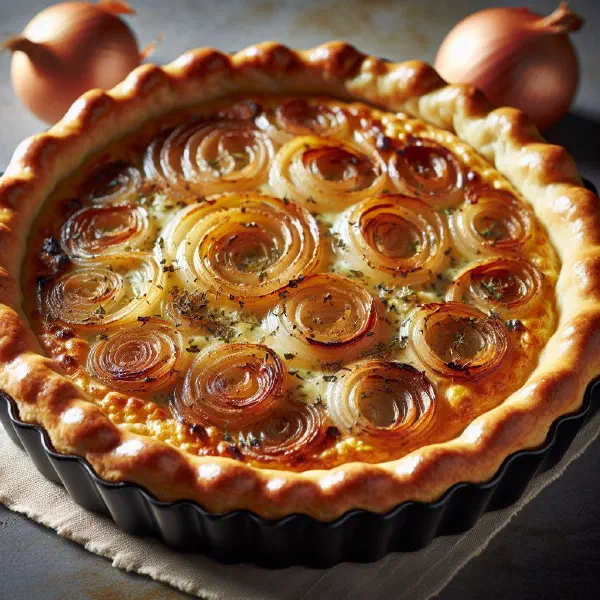
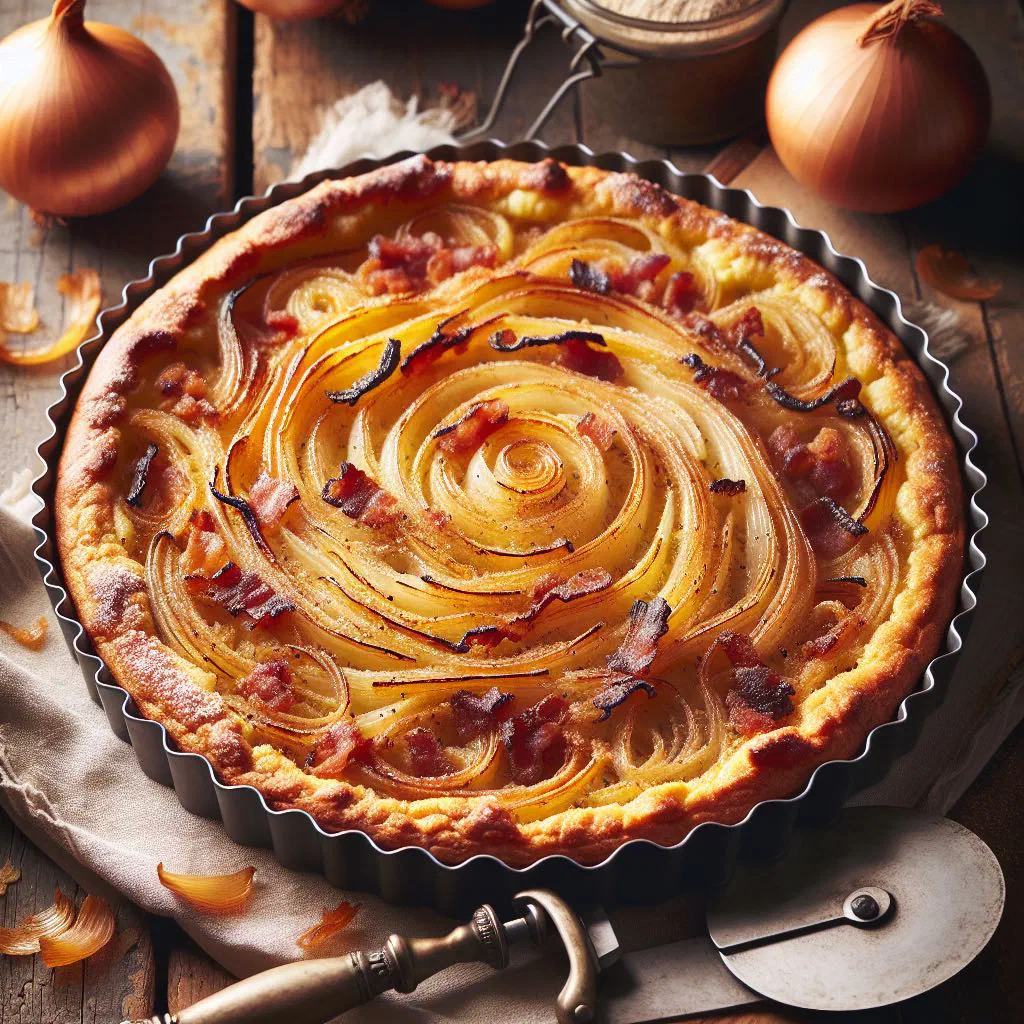
Say hello to the Bernese Onion Tart, a rustic Swiss classic that turns a handful of humble ingredients into something genuinely memorable. Sweet, slow-cooked onions meet a rich, savoury custard of cheese and crème fraîche, all held in a buttery, crisp pastry base. It is the kind of unfussy comfort food that tastes just as good warm from the oven as it does cold the next day. Perfect for a relaxed lunch, a picnic or a cosy supper.
About Bernese Onion Tart
The Bernese Onion Tart is a true Swiss national dish, winning people over with its distinctive flavour and its wonderfully straightforward preparation. A combination of caramelised onions, fresh cheese and a perfectly baked base makes it an absolute treat. The harmonious balance of these ingredients means the tart can be served warm or cold, so it fits any occasion beautifully. It is a firm favourite with locals and with food lovers the world over.
Ingredients (serves 1–2)
- 250 g flour
- 125 g butter
- 1 pinch of salt
- 6 onions
- 200 g cheese (such as Emmental)
- 2 eggs
- 200 ml crème fraîche
- Pepper and nutmeg, to taste
Shopping for the ingredients
To make the Bernese Onion Tart, you will want fresh, good-quality ingredients. The flour and the butter are the building blocks of the pastry and should come from a reliable source. The onions are the heart of this dish and are best chosen firm and glossy, so they deliver the sweet, savoury aromas the tart is known for. The cheese can be varied to taste, but Emmental is the traditional choice for the best flavour.
Preparing the dish
Preparation for the Bernese Onion Tart begins with carefully selecting your ingredients. Start by peeling the onions and slicing them into fine rings. These rings are caramelised in the first stage of cooking, which gives the onions a sweet, delicious depth. While the onions gently develop on the hob, you can turn your attention to the pastry, which forms the perfect foundation for the tart.
Step-by-step instructions
- Melt the butter in a bowl and mix it with the flour and a pinch of salt until you have a smooth, even dough.
- Press the dough into a springform tin and shape a raised edge.
- Fry the onions in a pan until golden brown and caramelised.
- In a separate bowl, combine the eggs, the crème fraîche, the grated cheese and the seasonings.
- Spread the caramelised onions evenly over the base and pour the egg-and-cheese mixture over the top.
- Bake the tart in a preheated oven at 180°C for about 30–40 minutes, until golden brown.
Gluten-free / lactose-free version
For a gluten-free version of the Bernese Onion Tart, the regular flour can be swapped for a gluten-free flour blend. Do make sure the other ingredients, such as the crème fraîche and the cheese, are gluten-free too. For a lactose-free option, use lactose-free crème fraîche and cheese alternatives.
Tips for vegans and vegetarians
The tart is already vegetarian, and for a vegan version the eggs can be replaced with plant-based alternatives such as chia seeds or apple purée. The crème fraîche, meanwhile, can be swapped for a vegan cream or a soya-quark blend. Instead of cheese, a vegan cheese or a nut-based cream gives the dish a similarly creamy character. Both vegans and vegetarians will find plenty of easy adaptations that keep the flavours intact.
More tips and tricks
To create the perfect Bernese Onion Tart, take care to caramelise the onions slowly. This coaxes out their full aroma. Experiment with different cheeses to give the tart your own signature touch. It also helps to slice the onions in a well-ventilated room to avoid teary eyes. Smaller portions can make for a more attractive presentation at the table, too.
Adapting the recipe to your taste
The Bernese Onion Tart is highly adaptable and easy to tweak to your own preferences. Add bacon or ham, for instance, to introduce a smoky note. Herbs such as thyme or rosemary can also lend the dish a fresh lift. Just remember to adjust the quantities and proportions to your taste to achieve the best result, much as you would when perfecting a Sbrinz Cheese Tart.
Ingredient substitutions
If you would rather not use butter, plant-based margarine or coconut oil make good alternatives. In place of Emmental there are many other cheeses that pair beautifully, such as Gruyère or Appenzeller. The onions can be swapped for leeks or spring onions for a milder, sweeter note, a variation that also works nicely in a classic Onion Tart. Substitutions like these let you experiment with different flavours and find your personal favourite.
Drink pairing ideas
A number of drinks pair wonderfully with the Bernese Onion Tart. A dry white wine, such as a Chasselas, complements the savoury flavours of the tart perfectly. For an alcohol-free option, a lively fruit juice or a homemade iced tea brings the flavours together harmoniously. Whatever you choose, aim to underline the freshness and full-bodied richness of the tart.
Serving and presentation ideas
The presentation of the Bernese Onion Tart can be lifted with fresh herbs or edible flowers scattered on the table. Serve the tart on colourful plates or in casual bowls to create a relaxed, homely atmosphere. Arranging small slices on a wooden board encourages a sociable mood at the table. Take the time to make it look inviting. It makes the whole experience all the more enjoyable, and pairs naturally with sharing dishes like Cheese Fondue.
A bit of history
The Bernese Onion Tart has a long tradition in Switzerland. Originally prepared by the rural population as a simple dish, the tart quickly grew in popularity. This dish reflects the culinary identity of the region and has been refined over the years. In Beizen (traditional taverns) and restaurants in particular, the onion tart is offered as a hearty snack or a main course, and it holds a special place in the wider world of Swiss cuisine.
More recipe ideas
Summary: Bernese Onion Tart
In summary, the Bernese Onion Tart is a culinary highlight of Switzerland and a dish that shines through its versatility. It finds a place at any celebration. With its unique flavours and its simple preparation, it is a dish that no kitchen should be without. Give this recipe a go and let its delicious flavours win you over.