National Dish Switzerland: Bündnerfleisch (Recipe)
In this article
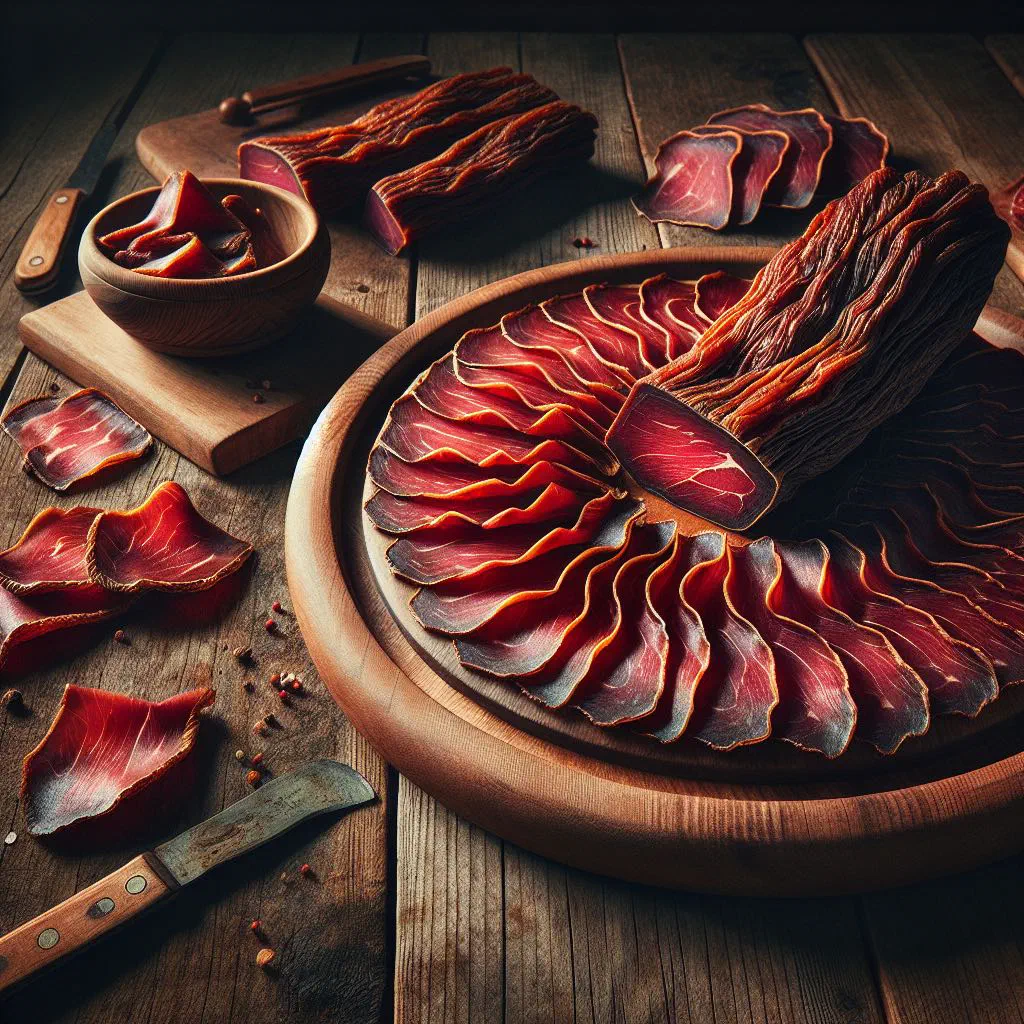
Discover Bündnerfleisch, the pride of Switzerland’s alpine larder. This tender, air-dried beef from the mountainous canton of Graubünden marries centuries of tradition with a deep, savoury flavour. Sliced wafer-thin and served on a rustic board alongside cheese, bread and a handful of nuts, it makes an elegant snack or a memorable starter. Bring a taste of the Swiss Alps straight to your own table.
About Bündnerfleisch
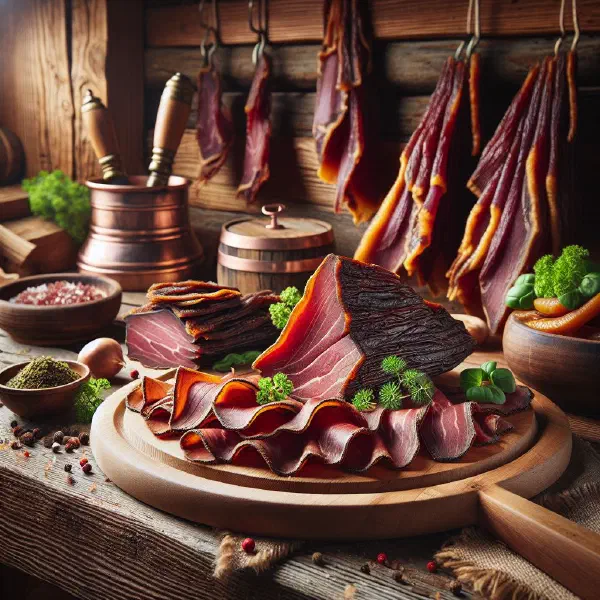
Bündnerfleisch is an air-dried beef from the region of Graubünden, and it is as much a piece of history as it is a culinary treat. This traditional speciality has its origins high in the Alps, where it has been made to age-old recipes for centuries. The careful selection of the meat, followed by a long drying period, gives Bündnerfleisch its unique flavour and its tender texture. A firm fixture of Swiss food culture, it appeals to locals and visitors alike.
Ingredients (serves 1–2)
- 300 g Bündnerfleisch
- 50 g cheese (such as Gruyère or Emmental)
- Fresh bread (such as farmhouse loaf or Zopf)
- A handful of nuts (such as walnuts or hazelnuts)
- Optional: fresh figs or grapes
Shopping for the ingredients
To find the very best ingredients for your board, it is worth turning to local markets or a specialist delicatessen. Quality really matters, especially when it comes to Bündnerfleisch. Pay attention to how the cattle were raised and where the meat comes from. A careful choice ensures that only the finest produce makes it onto your plate.
Preparing the dish
When putting together a Bündnerfleisch platter, the key is to let the flavours shine. Begin by choosing a complementary cheese and the nuts that will sit alongside. These ingredients harmonise beautifully and bring out the character of the beef. Fresh bread should never be missing either, tying the different flavours together for a complete tasting experience.
Step-by-step instructions
- Slice the Bündnerfleisch into very thin slices.
- Cut the cheese into slices or small cubes.
- Slice the bread and arrange it on a plate.
- Serve the nuts in a separate small bowl.
- Optionally add fresh figs or grapes as a garnish.
Gluten-free / lactose-free version
Bündnerfleisch is naturally easy to serve gluten-free. Simply swap the traditional bread for one of the widely available gluten-free loaves, and take care that the nuts are not cross-contaminated. For a lactose-free option, choose a lactose-free cheese or leave it out altogether. That way everyone can enjoy this Swiss delicacy to the full.
Tips for vegans and vegetarians
For vegans and vegetarians there are plenty of ways to adapt the board. Instead of the beef, reach for air-dried vegetables or seasoned, dried tofu, which offer an interesting flavour and a lovely texture. The classic Swiss presentation stays exactly the same, keeping the platter every bit as much of a highlight.
More tips and tricks
For an even deeper flavour, you can lightly toast the Bündnerfleisch or briefly warm it on the grill, which adds an extra dimension to the meat. Be careful not to toast the thin slices for too long, or their tender texture will be lost. Experiment with different spices as well to give the dish your own personal signature.
Adapting the recipe to your taste
The board is easily tailored to your personal preferences. If you like a bit of heat, add some pepperoni or chilli. Alternatively, try different types of cheese to keep things varied and interesting. Little touches like these make enjoying Bündnerfleisch a fresh experience every single time.
Ingredient substitutions
For a slightly different but equally savoury combination, you can swap in another cheese or a different type of nut. In place of walnuts, try flaked almonds, or instead of cheese opt for a vegan preparation to explore a range of flavours. Substitutions like these let you add your own personal flair to the traditional platter without losing its original character, much as you might with a Salsiz or a slice of Schweizer Mostbroeckli.
Drink pairing ideas
Bündnerfleisch pairs wonderfully with light white wines, such as a Chardonnay or a dry Riesling. A shandy-style beer is another good match, balancing the salty notes of the meat. For alcohol-free alternatives, herbal or fruit teas are ideal, underlining the flavours of the dish without overwhelming them.
Serving and presentation ideas
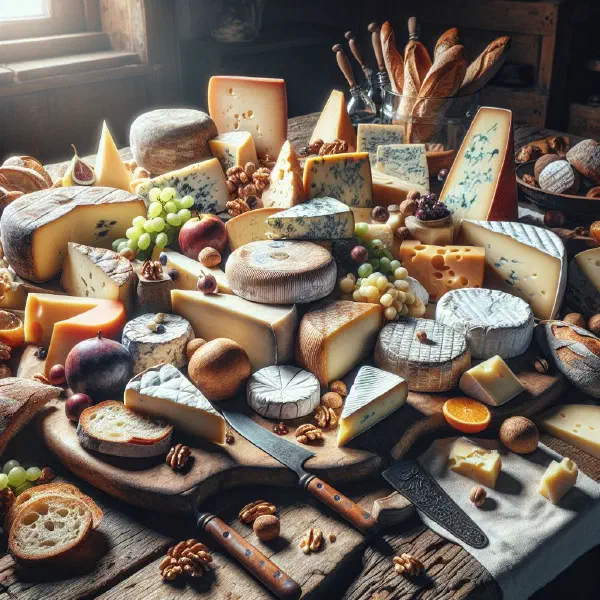
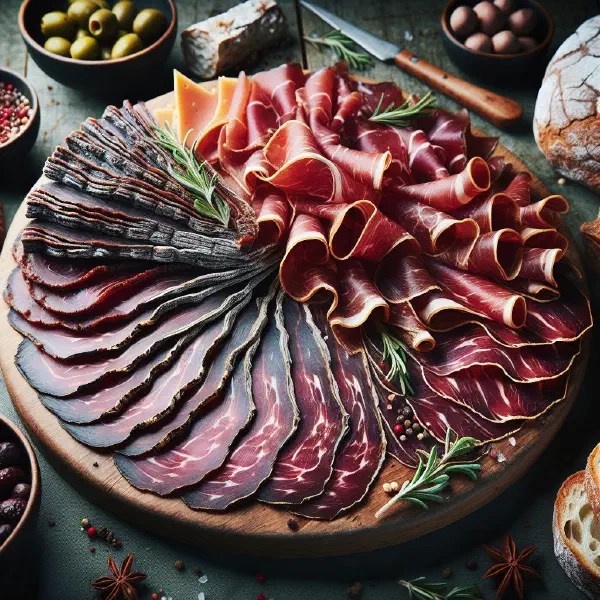
Presentation plays an important part in the whole experience. A rustic wooden board layered with Bündnerfleisch, cheese and fresh bread offers an inviting, space-saving way to show off your spread. Not unlike a classic Chaes Platte. Add fresh herbs as a garnish to please the eye as much as the palate. A creative arrangement heightens the pleasure and turns the meal into an occasion.
A bit of history
Bündnerfleisch has a long history in Swiss culture, reaching back to the Alps where it was traditionally developed as a way to preserve meat. Alpine life shaped its production, which relies on a combination of drying and salting. These methods were perfected over generations and helped create a delicacy now regarded as a symbol of Swiss cuisine. Today Bündnerfleisch is prized not only in Switzerland but internationally too.
More recipe ideas
Summary: Bündnerfleisch
Bündnerfleisch is a delicious delicacy that embodies traditional Swiss cuisine. Its tender texture and aromatic flavour make it perfect for all kinds of occasions, whether as a snack, on a cheese board or paired with other treats. It is simple to prepare and leaves plenty of room for creative touches. With Bündnerfleisch, discover the variety of Swiss food culture and enjoy a taste of the Alps on your own plate.