National Dish Switzerland: Lucerne Chügelipastete (Recipe)
In this article
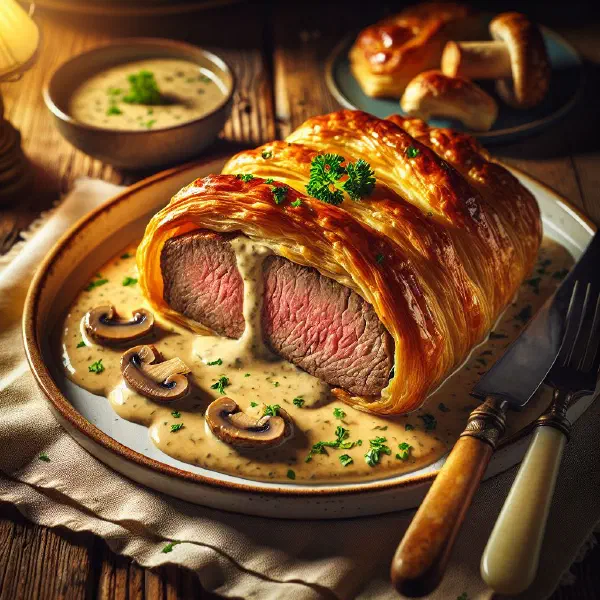
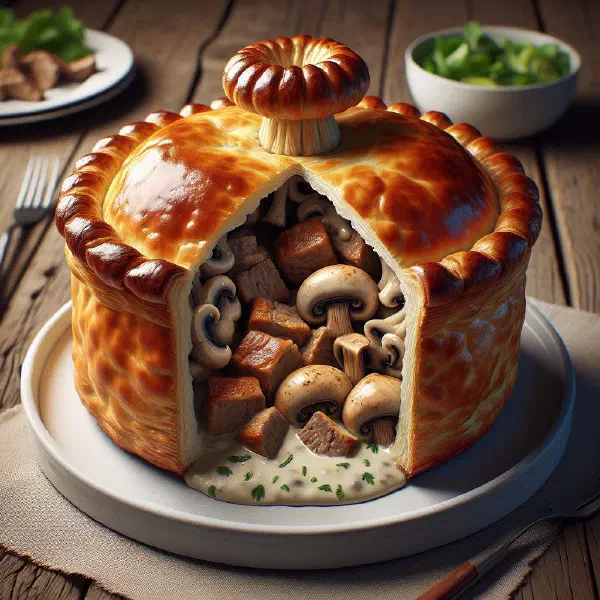
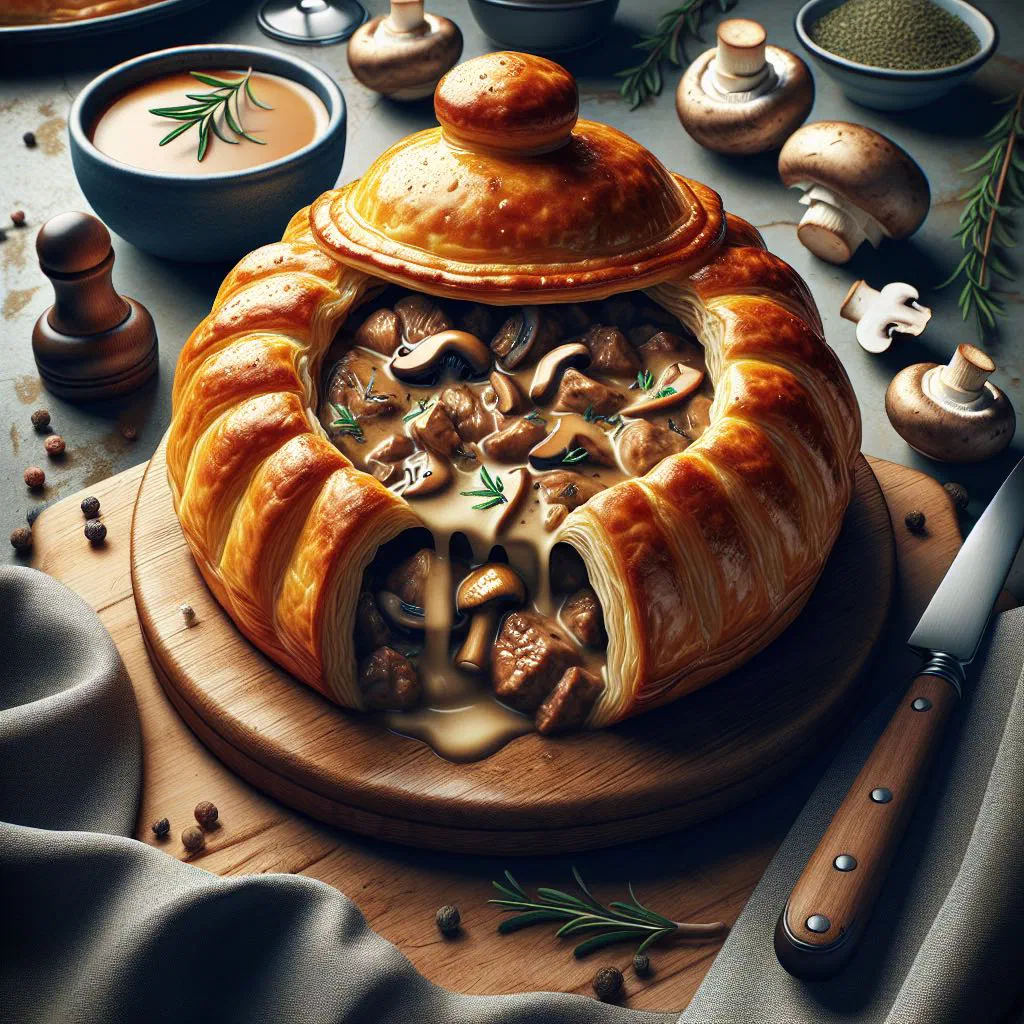
Meet the Lucerne Chügelipastete, a proud showpiece of the Swiss festive table. A crisp, golden puff pastry shell cradles a velvety filling of tender veal, delicate little meatballs, mushrooms and a fragrant cream sauce. It is the kind of dish that feels both comforting and refined, equally at home at a special celebration or as a memorable centrepiece for Sunday lunch. Bring a taste of central Switzerland straight to your own kitchen.
About Lucerne Chügelipastete
The Lucerne Chügelipastete is a genuine highlight of Swiss cuisine and is especially well known around the city of Lucerne as a classic festive dish. It presents a creamy filling inside a crisp pastry case, most often made from puff pastry. The signature elements are the small meatballs (Brätkügeli) and tender veal, rounded out with mushrooms and a carefully seasoned cream sauce. The result is a hearty yet elegant dish that works beautifully as a main course.
Ingredients (serves 1–2)
- 250 g puff pastry (or ready-made pastry cases for filling)
- 150 g veal, cut into small dice or finely chopped
- 120–150 g sausage meat (shaped into small meatballs)
- 100 g mushrooms, finely chopped
- 1 onion, diced
- 1 garlic clove, chopped
- 200 ml cream
- 1 egg (for the egg wash, if you are baking the pastry yourself)
- Salt and pepper, to taste
- A pinch of nutmeg (optional, but very fitting)
- Fresh parsley, to garnish
Shopping for the ingredients
When shopping for the ingredients for Lucerne Chügelipastete, it pays to look for quality, above all when it comes to the veal and the sausage meat. In Switzerland you can often buy the fine sausage meat directly from the butcher; elsewhere you may find it as veal or bratwurst meat (without the casing) at a well-stocked speciality counter. Choose fresh mushrooms, and pick a cream that reduces well so the sauce turns out lovely and glossy later on.
Preparing the dish
Preparation is the key to a successful Lucerne Chügelipastete. Take the puff pastry out of the fridge in good time so it is easy to work with. Shape the sausage meat into small, evenly sized meatballs (about the size of a hazelnut) and keep them cool. Finely chop the onion, garlic and mushrooms so the flavours later spread evenly through the sauce. For an especially tender result, sear the meat and meatballs only briefly, then let them finish gently in the sauce.
Step-by-step instructions
- Roll out the puff pastry on a floured surface and, depending on your version, shape it into a pastry case (or have ready-made cases to hand).
- Heat a little fat in a pan and sauté the onion and garlic until translucent, then add the mushrooms and let them sweat briefly.
- Add the veal and sear only briefly so it stays tender.
- Carefully add the meatballs and let them cook through gently.
- Pour in the cream, season with salt, pepper and a little nutmeg, and let it reduce over a low heat until the sauce is glossy and thick.
- Spoon the filling into the pastry (for a homemade case: fill the pastry, moisten the edges and seal well).
- Place the pies on a baking tray, brush with beaten egg (if using puff pastry) and bake in a preheated oven at 200°C for about 20 minutes until golden brown.
Gluten-free / lactose-free version
For a gluten-free Lucerne Chügelipastete you can use gluten-free puff pastry, or simply serve the filling as a ragout with gluten-free bread and no pastry at all. A lactose-free version works well if you reach for lactose-free cream. When buying sausage meat and spice blends, check that there are no hidden lactose-containing ingredients. That way you keep all the pleasure without giving up on suitable alternatives.
Tips for vegans and vegetarians
For a vegetarian version you can replace the veal and meatballs with a mix of mushrooms, finely diced vegetables and, if you like, plant-based “meatballs” (for example based on soya or pea protein). A vegan version succeeds when you use plant-based cream and a generous seasoning of nutmeg, pepper and fresh herbs. Mushrooms bring a particularly rounded, savoury depth that suits the pastry wonderfully.
More tips and tricks
A few simple tricks make the Lucerne Chügelipastete especially good. Take care not to leave the sauce too thin. It should be glossy and thick so the pastry does not turn soggy when served. A pinch of nutmeg and fresh parsley are a lovely match in terms of flavour. If you like the meatballs particularly juicy, let them poach gently in the sauce over a low heat rather than searing them hard. When baking, an even, not-too-fierce top heat gives you a beautifully golden crust.
Adapting the recipe to your taste
The Lucerne Chügelipastete adapts well to personal preference. If you like it especially aromatic, work with different varieties of mushroom or add a splash of white wine (reduced briefly) to the sauce. Fine herbs such as chives or chervil bring extra freshness. If you prefer a bolder flavour, reduce the sauce a little longer or round it off with a small amount of stock. That way the dish stays traditional while taking on exactly the note you are after.
Ingredient substitutions
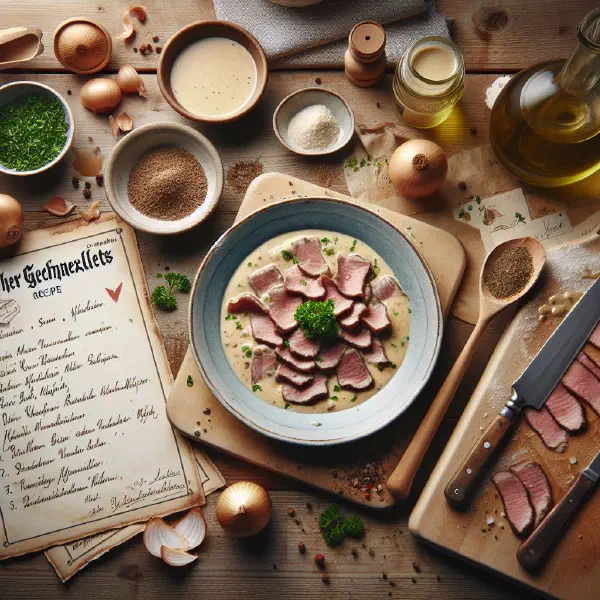
If particular ingredients are not available, there are good alternatives. Tender pieces of poultry make a fine stand-in for the meat, though the classic choice remains veal, as in the beloved Zürcher Geschnetzeltes. If you cannot find sausage meat, you can shape finely seasoned veal mince into small balls, although the original with its traditional meatballs is the most authentic. Instead of cream you can also use a lighter cooking cream; the important thing is that the sauce binds nicely at the end. As for the mushrooms, button mushrooms can be swapped for porcini, king oyster mushrooms or a mixture.
Drink pairing ideas
A freshly poured Swiss beer goes splendidly with a delicious Lucerne Chügelipastete. Alternatively, a light, fruity white wine complements the creamy sauce well. If you would rather stay alcohol-free, serve sparkling water with a slice of lemon or a mild herbal lemonade. The right choice of drink rounds off the dish and underlines its fine flavours.
Serving and presentation ideas
For a particularly attractive presentation, serve the Lucerne Chügelipastete on warmed plates and garnish with fresh parsley. A small pool of sauce alongside looks elegant, as do a few finely cut herbs or mushroom slices as a visual accent. A little salad or some vegetables make a good side, balancing the richness. Presented this way, the dish looks both festive and inviting.
A bit of history
The Lucerne Chügelipastete has a long tradition in and around Lucerne and is regarded as a typical festive dish. Pastries were historically a popular way to serve fine ragouts with style, often in restaurants, and later in many households too. The combination of cream sauce, mushrooms, veal and little meatballs still stands for classic, celebratory Swiss cuisine today. That makes the dish interesting on the plate and part of the region’s culinary heritage.
More recipe ideas
Summary: Lucerne Chügelipastete
The Lucerne Chügelipastete is a festive speciality of Swiss cooking that wins hearts with its crisp pastry and creamy filling. The signature touches are the small meatballs and tender veal, rounded out with mushrooms and a finely seasoned cream sauce. Whether for guests, for holidays or as a special everyday treat, this recipe brings classic Swiss flavours to the table. With a few small adjustments it adapts easily to personal taste while remaining a timeless pleasure.