National Dish Switzerland: Nidwalden Cream Soup (Recipe)
In this article
Warm, velvety and deeply comforting, Nidwalden Cream Soup is a cherished classic of the Swiss Alps. Born in the rural kitchens of the canton of Nidwalden, it brings together humble local ingredients and a wonderfully creamy texture that makes it the perfect bowl for a cold day. Every spoonful carries a taste of the mountains and the close bond between the Swiss and their land. Simple to prepare yet endlessly satisfying, it is the kind of dish that feels like coming home.
About Nidwalden Cream Soup
Nidwalden Cream Soup is very good and a much-loved part of Swiss cooking. It combines traditional ingredients with a creamy consistency that turns it into the ideal feel-good meal, especially on cold days. Originally from the canton of Nidwalden, this soup is a symbol of Swiss Alpine culture and reflects a genuine connection to nature and regional produce. Each spoonful is a little piece of home that enchants locals and visitors alike.
Ingredients (serves 1–2)
- 1 onion
- 200 g potatoes
- 150 g cream
- 500 ml vegetable stock
- 2 tablespoons butter
- Salt and pepper, to taste
- Fresh herbs (such as parsley or chives), to garnish
Shopping for the ingredients
To prepare Nidwalden Cream Soup, you will want fresh, good-quality ingredients. Visit a local market or a well-stocked supermarket to find the best produce. Pay particular attention to the vegetable stock, as it has a big influence on the flavour of the soup. Homemade stock or organic products are especially recommended to get the most out of the quality and taste.
Preparing the dish
Before you start cooking the Nidwalden Cream Soup, it is worth preparing all the ingredients properly. Begin by peeling and dicing the onion and the potatoes. Cutting them into even pieces is important so that they cook uniformly. Set the fresh herbs aside as well, ready to garnish the soup later and lend it a refreshing note.
Step-by-step instructions
- Heat the butter in a pan and sweat the onion until translucent.
- Add the diced potatoes and let them cook briefly alongside.
- Pour in the vegetable stock and bring the mixture to the boil.
- Simmer the soup for about 15 minutes, until the potatoes are soft.
- Use a hand blender to purée the soup until it is smooth and creamy.
- Stir in the cream and season to taste with salt and pepper.
- Garnish with fresh herbs just before serving.
Gluten-free / lactose-free version
Nidwalden Cream Soup can easily be made gluten-free and lactose-free. Simply use a gluten-free vegetable stock and replace the cream with a plant-based alternative such as soy or oat cream. These options offer a similar consistency and flavour, so anyone with an intolerance can enjoy this delicious dish too.
Tips for vegans and vegetarians
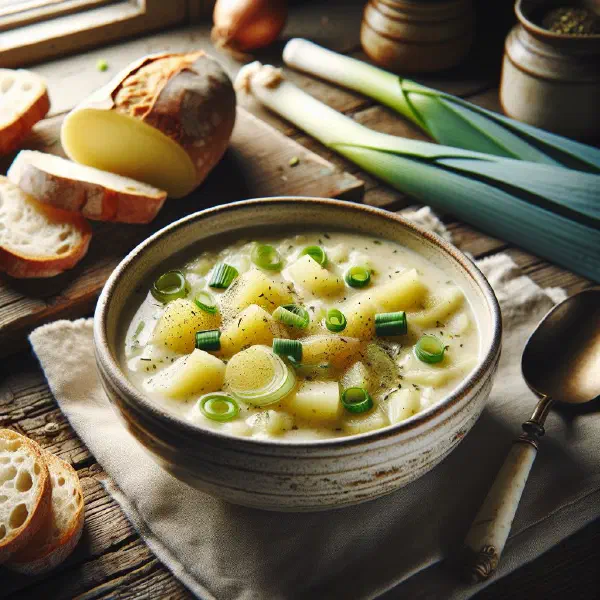
For vegans and vegetarians, Nidwalden Cream Soup offers plenty of scope for adaptation. Use vegetable stock and plant-based cream alternatives to make the dish entirely meat-free. Adding extra vegetables such as carrots or leeks enriches both the nutrients and the flavour of the soup, much like the hearty Potato and Leek Soup enjoyed elsewhere in Switzerland. These alternatives make for a healthy meal full of natural goodness.
More tips and tricks
Nidwalden Cream Soup is simple to tailor to your own preferences. Experiment with different herbs or spices to give the soup a personal touch. A pinch of nutmeg or a hint of chilli can lend it an exciting flavour. Adding roasted nuts or seeds as a topping also brings extra crunch and nutrients to every bowl.
Adapting the recipe to your taste
Should you be missing certain ingredients, this soup is easy to adapt. Instead of potatoes, you might use parsnips for a slightly sweeter note. For an even creamier version, swap the cream for cashew nuts, which give a gentle, smooth consistency once blended. Little changes like these make the dish all the more varied and creative, in the same spirit as the earthy Grisons Barley Soup.
Ingredient substitutions
If you find yourself without certain ingredients for Nidwalden Cream Soup, there are plenty of alternatives. In place of potatoes, parsnips add a touch of natural sweetness, while cashews blended into the soup make a wonderful stand-in for dairy cream. Substitutions like these keep the recipe flexible and let you cook with whatever is in season.
Drink pairing ideas
A range of drinks pairs beautifully with a hearty Nidwalden Cream Soup. A glass of white Swiss wine highlights the flavours of the soup perfectly, while a fruity apple cider creates an interesting balance. For alcohol-free options, try sparkling water with a slice of lemon or a cool herbal tea to echo the soup’s fresh herbs. Choose the drink that best suits your occasion and enjoy how the aromas play together.
Serving and presentation ideas
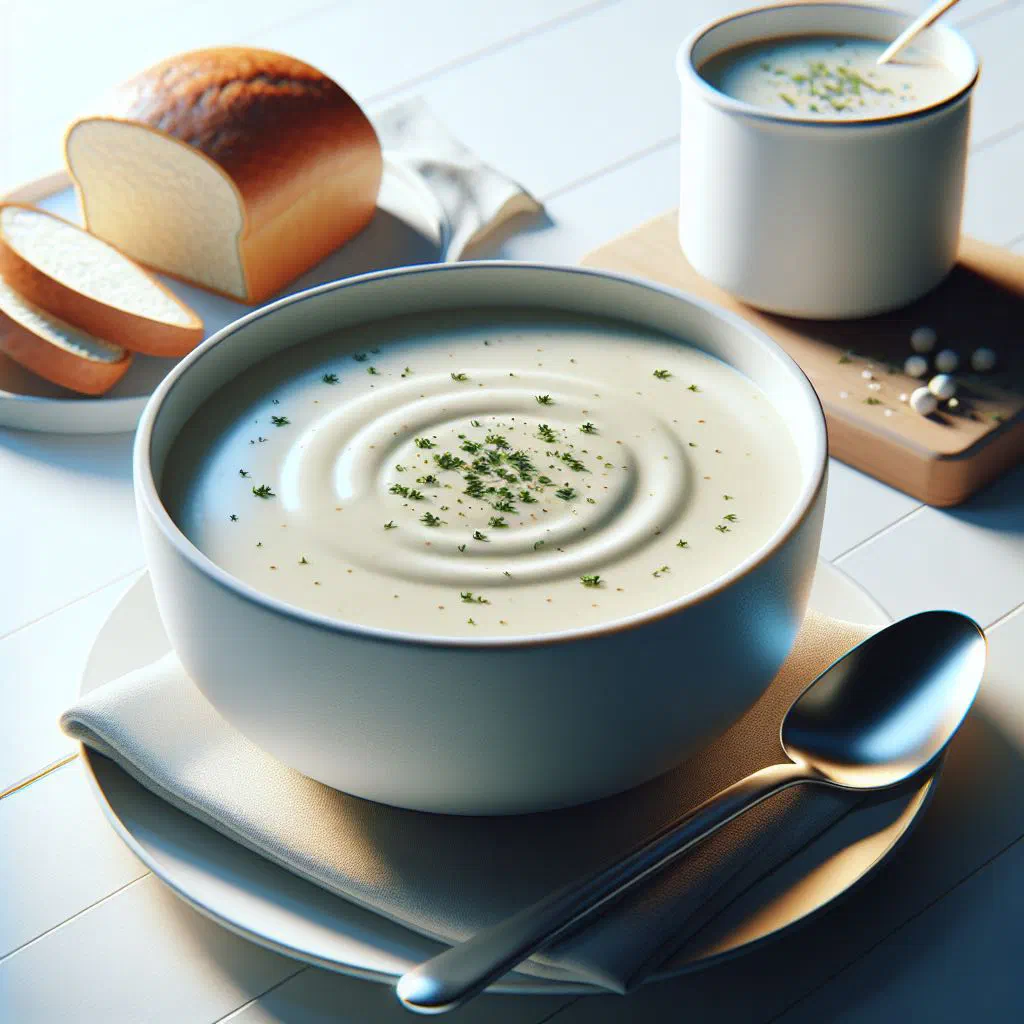
An appealing presentation can add greatly to the pleasure of Nidwalden Cream Soup. Serve it in attractive soup bowls and garnish with fresh, finely chopped herbs. A drizzle of smoked oil or a scattering of toasted seeds as a topping adds welcome flecks of colour and texture. A slice of freshly baked bread on the side rounds off the dish perfectly and makes it a highlight for both eye and palate.
A bit of history
Nidwalden Cream Soup has its roots in the rural cooking of Switzerland, where farming families prepared simple but nourishing meals. Over the generations the recipe has evolved while staying true to tradition. This soup stands for a closeness to nature and the use of fresh, regional ingredients. Today it is prized not only at home but in many restaurants as a symbol of Swiss gastronomy and the wider world of Swiss cuisine.
More recipe ideas
Summary: Nidwalden Cream Soup
Nidwalden Cream Soup is a traditional dish of Switzerland and a delicious way for anyone to taste the flavours of Alpine cooking. With its simple preparation and its many adaptable options, it suits vegans and vegetarians alike. Enjoy this hearty soup on cold days and dive into the culinary variety of Switzerland. Let it inspire you, and try out different variations to discover your own personal favourite.