National Dish Switzerland: Sbrinz (Recipe)
In this article
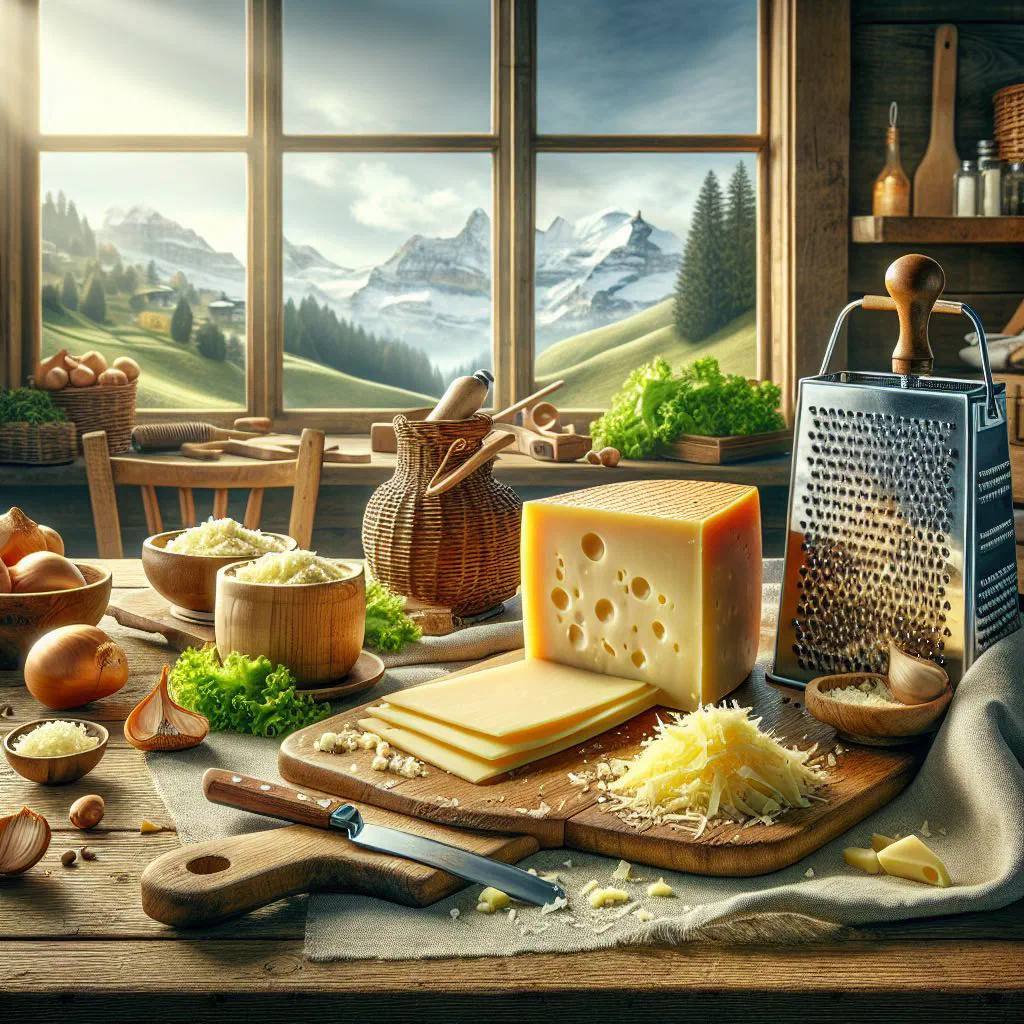
Meet Sbrinz, one of Switzerland’s oldest and most treasured cheeses, often called the “gold of the Alps”. Made from raw milk and matured for well over 18 months, it delivers a bold, savoury punch that has earned it a place at the heart of Swiss cooking. Whether grated over a bowl of pasta or shaved thin and enjoyed on its own, Sbrinz turns the simplest plate into something memorable. Bring a taste of the Swiss mountains straight to your own kitchen.
About Sbrinz
Sbrinz is one of the oldest cheeses in Switzerland and is often described as the “gold of the Alps”. This traditional Swiss speciality is usually made from raw milk and matured over a period of more than 18 months. Its powerful flavour and firm, aromatic structure make it an indispensable part of Swiss cuisine. Whether grated over pasta or eaten plain as a fine snack, Sbrinz brings intense enjoyment to the plate. Like a good Raclette, it is a cheese with real character.
Ingredients (serves 1–2)
- 200 g Sbrinz
- 150 g pasta (of your choice)
- 2 tablespoons olive oil
- 1 clove of garlic
- Fresh herbs (basil or parsley)
- Salt and pepper to taste
Shopping for the ingredients
When shopping for the ingredients for your Sbrinz dish, it is worth choosing high-quality products. The Sbrinz should come from a trusted cheesemonger to guarantee the best possible quality. Pay attention to the freshness of your vegetables and herbs too, as these are decisive for the flavour of your dish. Where you can, choose regional ingredients to support the freshness and the special character of the finished plate.
Preparing the dish
Begin by assembling all the ingredients for your recipe. Cut the Sbrinz into small pieces or grate it so it is easier to fold into your dish later. Finely chop the garlic and the fresh herbs to bring out their aromas at their best. Do not forget to bring a large pan of water to the boil ready for the pasta.
Step-by-step instructions
- Bring water to the boil in a large pan and cook the pasta until al dente, following the packet instructions.
- Meanwhile, heat the olive oil in a frying pan and gently sauté the garlic until translucent.
- Once the pasta is cooked, drain it and add it to the pan with the garlic.
- Add the grated Sbrinz and mix everything well until the cheese melts and binds with the pasta.
- Season with salt, pepper and fresh herbs, then serve.
Gluten-free / lactose-free version
To make the recipe gluten-free, you can use gluten-free pasta alternatives. These are now available in many supermarkets and offer a great texture. For those with a lactose intolerance, lactose-free products can be used, which are also easy to find in many shops.
Tips for vegans and vegetarians
For vegans, Sbrinz is naturally not suitable, but there are plenty of delicious plant-based alternatives on the market. Try vegan “cheese” alternatives made from nuts or other plant-based ingredients. Vegetarians, on the other hand, can enjoy this recipe straight away, though it is worth checking that no animal rennet was used in the cheesemaking. Another option is to prepare the dish entirely without cheese and let the other aromas take centre stage.
More tips and tricks
You will get a special flavour if you briefly fry the pasta in the pan after adding the Sbrinz. This lends the dish a pleasant roasted aroma. Take care not to overheat the pan, as this could ruin the delicate texture of the cheese. Experiment with different herbs and spices to adapt the recipe to your own preferences and make it even more varied.
Adapting the recipe to your taste
The wonderful thing about cooking is that you can adjust everything to your liking. Add extra vegetables, such as broccoli or courgette, to give your dish more bite. Pulses like chickpeas can also be integrated nicely and provide a protein-rich component. Do not be afraid to experiment with the spices; every ingredient can add a new layer of flavour.
Ingredient substitutions
If you do not have pasta to hand, quinoa or rice can also be used, offering a delicious base for your dish. If you are not keen on olive oil, simply use another vegetable oil such as rapeseed or sunflower oil. The Sbrinz can also be replaced with other hard cheeses like Parmesan, though the flavour may vary slightly. For a heartier alternative, the same cheese shines in a Risotto Mit Sbrinz.
Drink pairing ideas
A good white wine goes wonderfully with a Sbrinz dish, especially lighter varieties such as Sauvignon Blanc or Chardonnay. These wines underline the flavours of the cheese and harmonise perfectly with its savoury facets. Alternatively, a refreshing mineral water can be served alongside to balance the richness of the dish. A lightly fruity apple or grape juice can also make a great alcohol-free option.
Serving and presentation ideas
Presentation plays a decisive role in the enjoyment of a meal. Serve your Sbrinz dish in an attractive, deep bowl and garnish it with fresh herbs or toasted nuts. Colourful sides such as bright tomatoes or fresh vegetables can also be arranged on the plate. Do not forget to shave the Sbrinz into fine slivers and scatter them over the top afterwards. This makes the visual impression even more appealing.
A bit of history
The history of Sbrinz stretches back several centuries and is deeply rooted in Swiss culture. Originally this cheese was used above all as a trading commodity and was an important part of the diet in the mountainous regions. Making Sbrinz is an art form still cared for today by experienced cheesemakers. Thanks to its long maturing time, it develops a unique aroma that appeals to locals and tourists alike, much like the cheese-rich classics of Swiss cuisine.
More recipe ideas
Summary: Sbrinz
Sbrinz is a flavour highlight of Swiss cuisine and offers countless uses in a wide range of dishes. Whether as a snack or as the main ingredient in a recipe, its hearty, savoury taste captivates every cheese lover. With a variety of adaptations and alternatives, Sbrinz can be tailored perfectly to your own tastes and needs. Give it a try and let yourself be won over by its versatility and quality.