National Dish Syria: Baklava (Recipe)
In this article
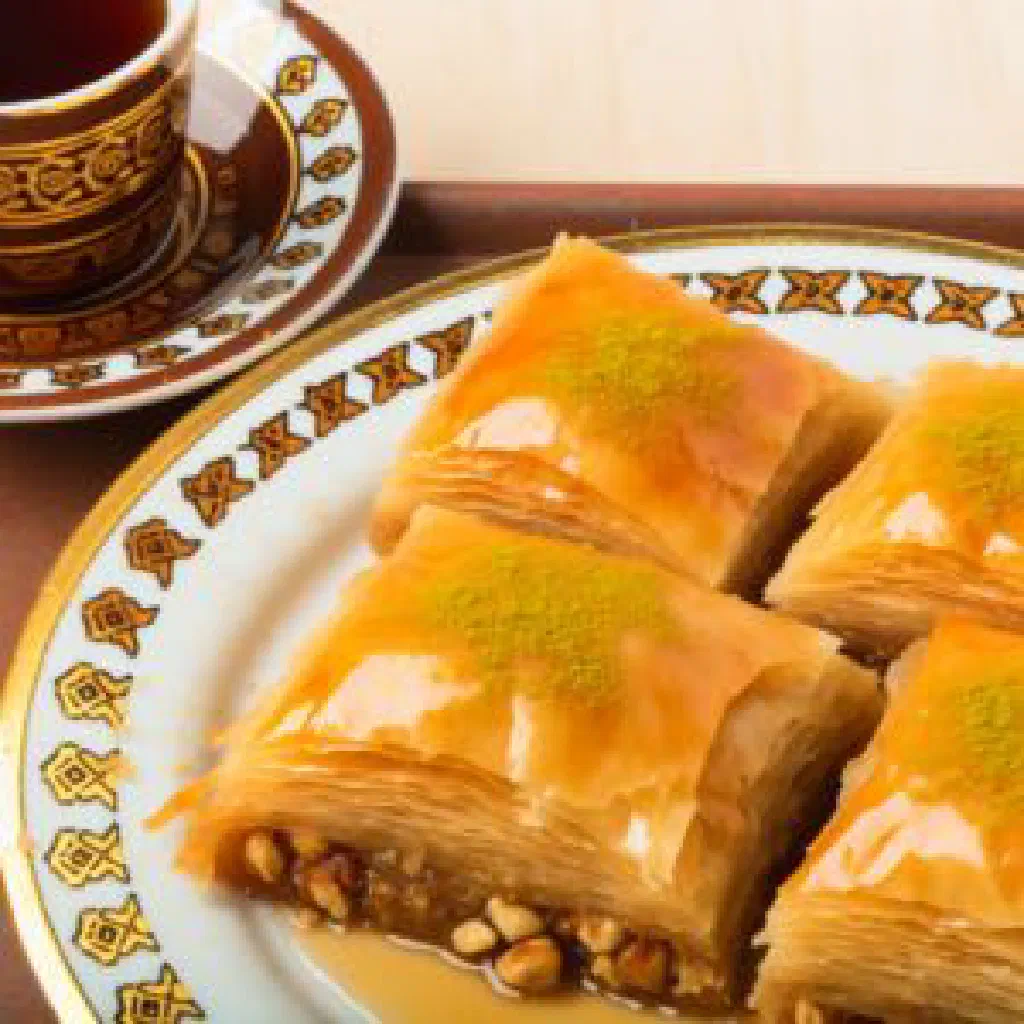
Say hello to Baklava, a jewel of Syrian sweets that has won over dessert lovers the world over. Wafer-thin layers of pastry cradle a filling of finely chopped nuts, all bathed in fragrant honey or syrup until every bite shatters and melts at once. It is the kind of treat reserved for celebrations and gatherings, yet appealing enough to enjoy as a small indulgence any time of day. Here is how to bring this classic of Syrian cuisine into your own kitchen.
About Baklava
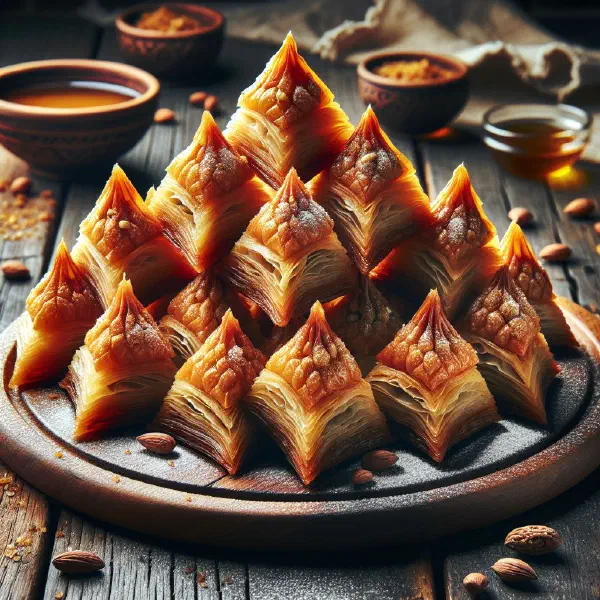
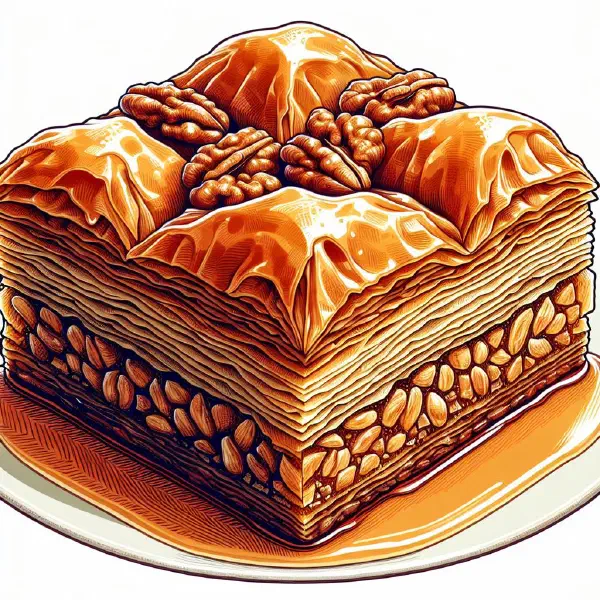
Baklava is a sweet pastry that has captured the hearts of food lovers across the globe. It is built from thin sheets of filo pastry layered with finely chopped nuts and finished with a generous pour of honey or syrup. The pleasure of baklava goes well beyond its taste alone: the interplay of crisp, flaky layers and soft, nutty filling makes eating it a genuinely memorable experience. It is often served at special occasions and festivities, though it works just as beautifully as a sweet snack between meals.
Ingredients (serves 1–2)
- 100 g filo pastry
- 50 g walnuts or pistachios, finely chopped
- 50 g butter, melted
- 100 ml honey or sugar syrup
- 1 tsp cinnamon (optional)
Shopping for the ingredients
To make baklava at home, it pays to choose fresh, good-quality ingredients. The filo pastry is especially important, as it forms the very base of the dish, look for sheets that are thin and will crisp up well. For the nuts you can pick either walnuts or pistachios, depending on your own taste. The honey or sugar syrup should likewise be of good quality to achieve that perfect, rounded sweetness.
Preparing the dish
Before you start baking, it is essential to have everything ready to go. That means the nuts should be well chopped and the butter fully melted. For an extra layer of flavour, you can mix the cinnamon in with the nuts. Keep a clean, clear work surface so you can lay out and handle the delicate filo pastry with ease. Good preparation ensures the whole baking process runs smoothly from start to finish.
Step-by-step instructions
- Preheat the oven to 180 degrees Celsius.
- Grease a baking tray with butter.
- Lay five sheets of filo pastry onto the tray, brushing each sheet with melted butter.
- Spread the chopped nuts evenly over the pastry and add cinnamon if you like.
- Layer another five sheets of pastry on top, brushing each again with butter.
- Cut the top layer into diamond shapes.
- Bake the baklava in the oven for 25–30 minutes, until golden brown.
- Straight after baking, pour the honey-syrup mixture evenly over the hot baklava.
Gluten-free / lactose-free version
For a gluten-free version of baklava you can use gluten-free filo pastry, now available in many supermarkets. When choosing your nuts, double-check that they too are certified gluten-free. To make baklava lactose-free, simply swap the regular butter for plant-based butter or oil. That way, anyone with a food intolerance can still enjoy this delicious dessert.
Tips for vegans and vegetarians
Vegans can adapt baklava with ease by replacing the butter with a plant-based oil or vegan butter. Just take care that every ingredient you use is free from animal products. Nuts and spices are generally vegan by nature, so the original character of the dish stays intact. There is plenty of room to be creative, too. Try folding in different fillings such as dried fruit for a new twist.
More tips and tricks
A few small tricks can make your baklava even better. Experiment with different nut mixtures to create a flavour that is all your own. Be sure to cut the baklava into even pieces after baking so the honey or syrup can soak in thoroughly. Another worthwhile tip is to let the baklava rest overnight before serving, the flavour deepens and the texture improves still further.
Adapting the recipe to your taste
The baklava recipe lends itself wonderfully to personalisation. If walnuts are not your favourite, try almonds or hazelnuts instead. For an exotic note, stir a little rosewater or orange blossom water into the syrup. Just make sure any new aromas blend harmoniously with the existing ingredients so the overall balance is not lost. Touches like these make the recipe truly your own and leave nothing to be desired.
Ingredient substitutions
First and foremost, in place of honey, a popular choice of sweetener, you can also use maple syrup or other plant-based sweeteners. Instead of filo you might reach for strudel pastry to achieve a slightly different flavour and texture, much as you would when shaping the shells of Maamoul. Bear in mind that alternative ingredients can shift the taste, so try a few combinations to find the perfect balance. In the end you can shape the recipe however you like, according to what is available or what pleases you most.
Drink pairing ideas
A number of drinks pair beautifully with baklava and set off its sweetness. Turkish coffee is a popular choice, its strong, intense flavour offering a lovely contrast to the sugary pastry. Minty teas or green tea also make fine companions that refresh the palate. Experiment with different varieties of tea, and with Arabic fruit juices too, to discover new flavour combinations.
Serving and presentation ideas
Presentation can lift the whole baklava experience. Serve the pieces on a decorative plate and garnish them with chopped nuts or a light dusting of cinnamon. A pretty arrangement of flowers, or a few fresh fruits set on the table, can add a wonderful visual touch. Offering the syrup in a separate bowl lets guests adjust the sweetness to their own taste. Small details like these help make baklava a highlight for the eyes as well as the palate.
A bit of history
Baklava has a fascinating history that reaches back into antiquity. The dessert’s roots lie in the lands of the Ottoman Empire, and countless variations exist across different countries. It was often prepared for special occasions and celebrations, and today it is cherished throughout the cultures of the Mediterranean and the Middle East. Baklava is valued not only as a dessert but as a symbol of hospitality, bringing people together at shared festivities. These cultural threads make baklava far more than a mere dish. It is a piece of history on a plate.
More recipe ideas
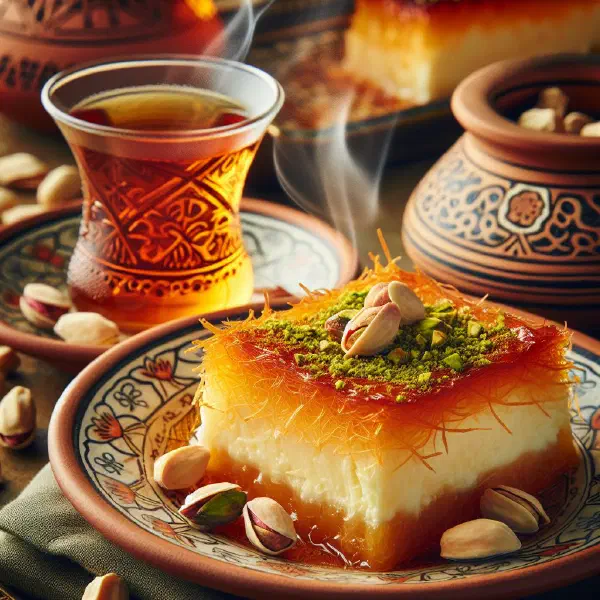
- Knafeh — a Syrian cheese pastry soaked in sweet syrup
- Maamoul — filled cookies with dates or nuts
- Basbousa — semolina cake drenched in syrup
- Zaatar Manakish — savoury flatbread with a za’atar spice blend
- Fattoush — a refreshing salad with toasted flatbread
Summary: Baklava
In short, baklava is a unique and utterly delicious dessert that dazzles with its variety of textures and aromas. It is not only straightforward to make but endlessly adaptable to suit personal tastes and dietary needs. The combination of crisp filo pastry, chopped nuts and sweet syrup makes for a very good treat that deserves a place in your kitchen. With the right recipe and a little love, you can carry yourself and your guests away into the delicious world of Syrian cooking.