National Dish Syria: Fattet Hummus (Recipe)
In this article
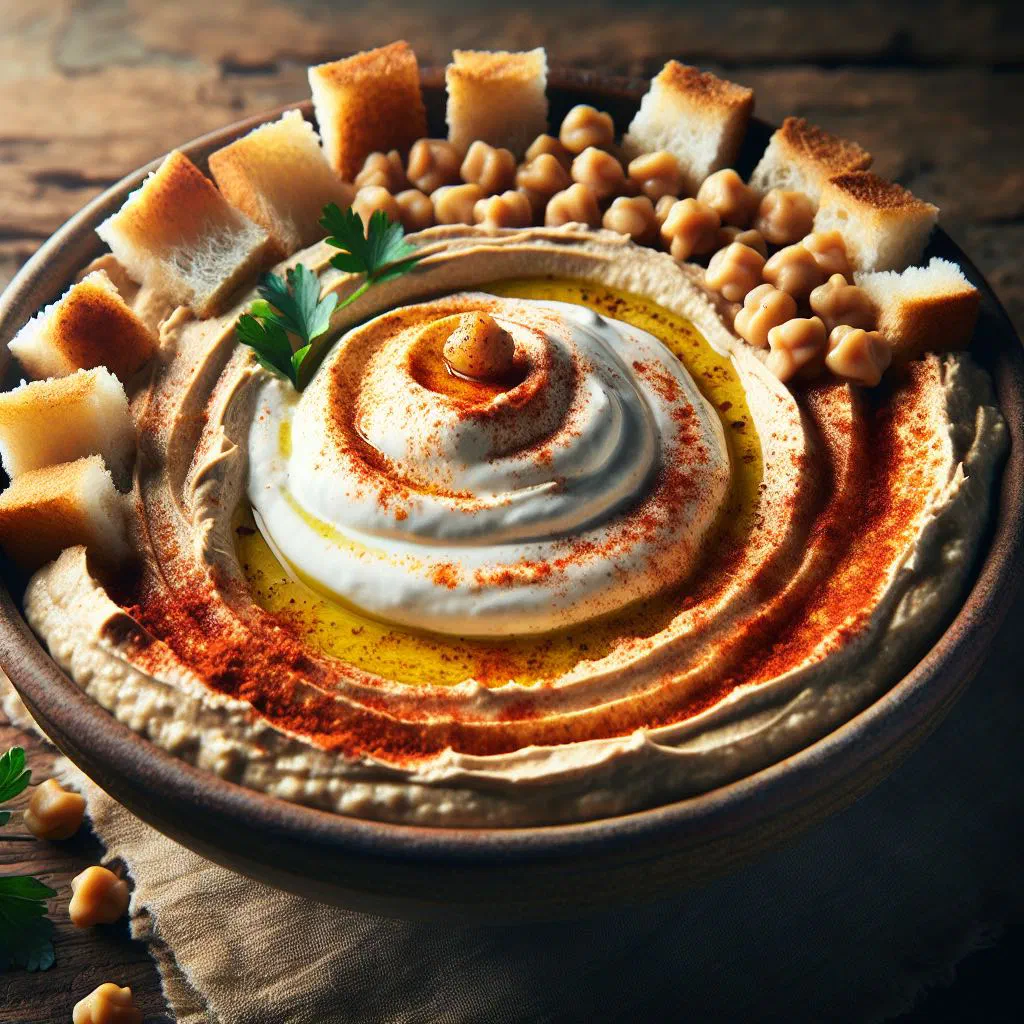
Discover Fattet Hummus, one of Syria’s most cherished national dishes. This good recipe layers tender chickpeas with cool, creamy yoghurt and shards of crispy flatbread for a texture and flavour combination that is nothing short of memorable. Bring the warm, generous spirit of the Syrian table into your own kitchen.
About Fattet Hummus
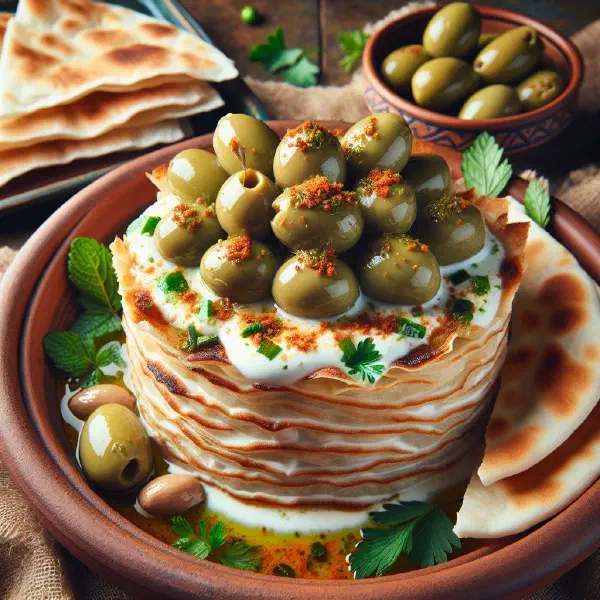
Fattet Hummus is a traditional Syrian dish, celebrated for its harmonious combination of tender chickpeas, deliciously creamy yoghurt and crispy flatbread. It captures the flavours and textures of Arabic cooking beautifully and is widely treasured as a national dish of Syria. Ideal as a starter or a main course, fattet hummus impresses with its taste and with its inviting presentation. Let this aromatic dish win you over and discover the secrets of Syrian cooking, a cuisine that shines in classics like Hummus and Fatteh.
Ingredients (serves 1–2)
- 250 g chickpeas (cooked or tinned)
- 200 g yoghurt (Greek or natural)
- 2 flatbreads
- 2 garlic cloves, chopped
- 1 teaspoon cumin
- 1 teaspoon paprika
- Fresh parsley, chopped
- Olive oil, for drizzling
- Salt and pepper to taste
Shopping for the ingredients
To make fattet hummus you will need fresh ingredients, all of which are available in most supermarkets or Middle Eastern grocery shops. Take care to choose good-quality chickpeas, whether from a jar or freshly cooked. Greek yoghurt provides the desired creaminess, while fresh herbs such as parsley add an extra flavour boost. Use the opportunity to stock up on the spices too. They are essential for many other dishes in Syrian cuisine.
Preparing the dish
Before you start cooking, make sure all the ingredients are properly prepared. Begin by soaking the chickpeas if you are using dried ones. They should sit in water for at least 8 hours. You can either bake the flatbread yourself or buy it ready-made. Make sure it is fresh and crisp, as this is crucial for the texture of the dish.
Step-by-step instructions
- Tear the flatbread into pieces and toast in the oven at 180°C until golden brown.
- In a bowl, toss the chickpeas with the cumin, paprika and chopped garlic.
- Place the toasted flatbread in a large serving bowl.
- Spread the chickpea mixture evenly over the bread.
- Spoon the yoghurt evenly over the chickpea layer.
- Garnish with fresh parsley and a generous drizzle of olive oil.
- Season with salt and pepper to taste and serve immediately.
Gluten-free / lactose-free version
For a gluten-free version of fattet hummus, simply replace the flatbread with gluten-free bread or an equivalent alternative, gluten-free pitta or rice crackers work well. If you would like a lactose-free version, use lactose-free yoghurt or a plant-based alternative such as soya or coconut yoghurt. The wonderful flavour stays intact, so no one has to miss out.
Tips for vegans and vegetarians
Fattet hummus is already a vegetarian dish, but it can easily be made vegan too. Simply swap the yoghurt for a plant-based option. Vegans can either purée the chickpeas to their preferred consistency or keep the textures as they are. Round the dish off with roasted vegetables on the side to boost both the nutritional value and the variety.
More tips and tricks
The flavours of fattet hummus are easy to vary through your choice of spices and herbs. Add sumac for a gently tangy note, for example, or harissa for a touch of heat. As a rule, the longer the chickpeas marinate, the better the flavours meld together. You can also play with the texture of the yoghurt by loosening it with a little water or olive oil until silky smooth.
Adapting the recipe to your taste
The flexibility of fattet hummus gives you plenty of scope to adapt the dish to your own preferences. If you like it heartier, add some grilled vegetables. Nuts such as pistachios or almonds bring a lovely crunchy accent. And do not forget pomegranate seeds, which lend the dish a splash of colour and a refreshing burst of flavour. Feel free to get creative.
Ingredient substitutions
If you would rather not use flatbread, bulgur or quinoa make a more wholesome base. Instead of chickpeas, a mix of beans can provide an additional source of protein. Remember to adjust your spices to taste as you go. In most cases a good olive oil can also be swapped for a high-quality truffle oil to give the dish a touch of luxury.
Drink pairing ideas
Refreshing drinks pair wonderfully with fattet hummus. A fruity pomegranate juice complements the flavours and adds a pleasant sweetness. For those who prefer something alcoholic, light white or rosé wines are perfect for highlighting the spices. A refreshing mint tea is another excellent companion to this dish, bringing a fragrant freshness to the table.
Serving and presentation ideas
Presentation can make a real difference with fattet hummus. Serve the dish in a large, shallow bowl and decorate it with fresh parsley and pomegranate seeds for a splash of colour. A fine olive oil or a spicy sauce drizzled over the top makes it not only delicious but stunning to look at. Use layered bowls or serving platters to create a family-friendly atmosphere where everyone can help themselves. Just as you would with a fresh Fattoush on the side.
A bit of history
Fattet hummus has a long history and is deeply rooted in Syrian culture. The combination of chickpeas and yoghurt is believed to have been used in the region for centuries. Families in particular often gather around this dish, as it is perfectly suited to feeding a crowd. Over time the popularity of fattet hummus has spread well beyond Syria’s borders, and today it enjoys international recognition.
More recipe ideas
- Tabbouleh — a refreshing bulgur salad with parsley and mint
- Falafel — crispy deep-fried chickpea fritters
- Kibbeh — spiced bulgur and meat croquettes
- Fatteh Al Laban — a creamy yoghurt-topped cousin of this dish
Summary: Fattet Hummus
Fattet hummus is a versatile and delicious dish that reflects the magic of Syrian cooking. The combination of fresh ingredients and aromatic spices makes it a highlight of any meal. Dare to recreate this traditional recipe in your own kitchen and let the flavours put you to the test.