National Dish Syria: Fattet Makdous (Recipe)
In this article
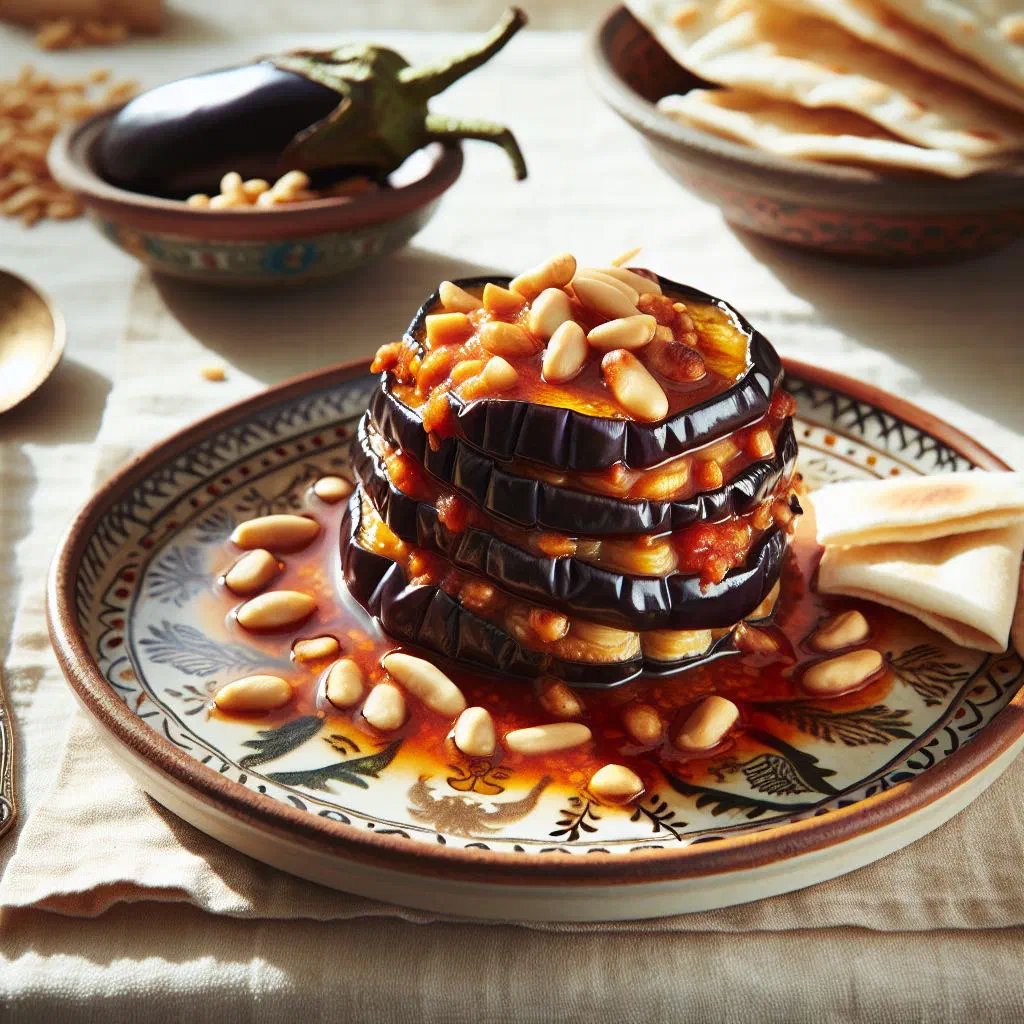
Discover Fattet Makdous, a jewel of the Syrian table that layers tender stuffed aubergines over crisp bread and blankets them in a garlicky yoghurt-tahini sauce. Every spoonful brings together creamy, crunchy and aromatic elements in true Levantine style, a dish that embodies the warmth and generosity of Syrian hospitality, whether you serve it at a festive gathering or a cosy family dinner.
About Fattet Makdous
Fattet Makdous is a traditional Syrian dish, cherished both within Syria and across the wider Middle East. It is built around stuffed aubergines, prepared with a variety of fillings and served in a luscious yoghurt sauce. The combination of aromatic spices and a creamy texture gives the dish its unmistakable character. Fattet Makdous is more than a culinary delicacy. It is also a symbol of Syrian hospitality and the deep bond of families who gather to enjoy it together.
Ingredients (serves 1–2)
- 2 small aubergines
- 250 g yoghurt
- 2 tablespoons tahini
- 1 garlic clove, crushed
- 1 teaspoon cumin
- Olive oil
- Salt and pepper to taste
- Bread, to serve
Shopping for the ingredients
When shopping for Fattet Makdous, it pays to choose fresh produce. Look for fresh aubergines that are firm and glossy to get the best flavour. The yoghurt should be unsweetened and creamy to guarantee a rich sauce. Spices such as cumin really bring the aromas to life, so seek out good-quality options at a spice shop or well-stocked supermarket.
Preparing the dish
Preparation for Fattet Makdous begins with carefully selecting and readying the ingredients. Wash the aubergines thoroughly, then halve them lengthways so they are easy to stuff. Plan in advance which filling you would like to use to achieve the flavour you are after. It is a good idea to measure and lay out all the ingredients before you start cooking. It makes the whole process run far more smoothly.
Step-by-step instructions
- Hollow out the aubergine halves and sprinkle them with salt to draw out any bitterness, then leave to rest for 30 minutes.
- Meanwhile, mix the yoghurt with the tahini, crushed garlic, cumin, salt and pepper in a bowl until well combined.
- Once the aubergines have drained, fill the halves with your chosen stuffing (chickpeas or rice, for example).
- Fry the stuffed aubergines in a pan with olive oil until golden brown.
- Arrange the cooked aubergines on a plate and spoon the yoghurt sauce generously over the top.
- Serve with crisp bread to round the dish off perfectly.
Gluten-free / lactose-free version
For a gluten-free version of Fattet Makdous, use gluten-free bread lightly toasted to keep that essential crunchy texture. To create a lactose-free variation, swap the regular yoghurt for a plant-based alternative made from soya or coconut. These alternatives pair beautifully with the spices and the filling of this dish. Keep the spices and stuffing in their original form to preserve the authentic flavour.
Tips for vegans and vegetarians
Fattet Makdous is wonderfully suited to vegans, as the dish is easy to adapt. Simply use plant-based ingredients and leave out all animal products. Instead of yoghurt, for example, reach for a vegan yoghurt alternative. You can also vary the filling with purely plant-based options such as pulses, vegetables and spices to create a delicious, nourishing meal, much like the classic Mujadara, which proves how satisfying plant-based Syrian food can be.
More tips and tricks
To coax even more flavour out of Fattet Makdous, roast the aubergines in the oven before stuffing them. This lends an extra smoky note. Experiment with different spices to adjust the taste to your liking. A garnish of fresh herbs such as mint or parsley also gives the dish a lovely fresh lift.
Adapting the recipe to your taste
The flexibility of Fattet Makdous makes it easy to adapt the recipe to your own preferences. Add extra vegetables to enrich the filling, or use different kinds of pulses for a protein-packed variation. The spices can be adjusted to taste as well, so you can create a mild or fiery version. Small changes like these can make a big difference to the flavour and the overall experience.
Ingredient substitutions
If you are missing certain ingredients for Fattet Makdous, there are plenty of alternatives to fall back on. Instead of tahini, for example, peanut butter adds a similarly creamy note. Courgettes or peppers can stand in for the aubergines and offer a comparable texture. Just as they do in Kousa Mahshi. For the yoghurt sauce, various plant-based yoghurt alternatives are worth trying, depending on your preferences and tolerances.
Drink pairing ideas
A refreshing mint tea or an Arabic coffee pairs beautifully with Fattet Makdous, underscoring the dish’s oriental aromas. If you fancy something cool, try a fruity drink or a splash of pomegranate syrup for a touch of sweetness. A rich, refreshing yoghurt drink also makes an excellent alcohol-free companion. These drinks round off the flavour experience perfectly and foster the convivial atmosphere that Syrian cuisine is famous for.
Serving and presentation ideas
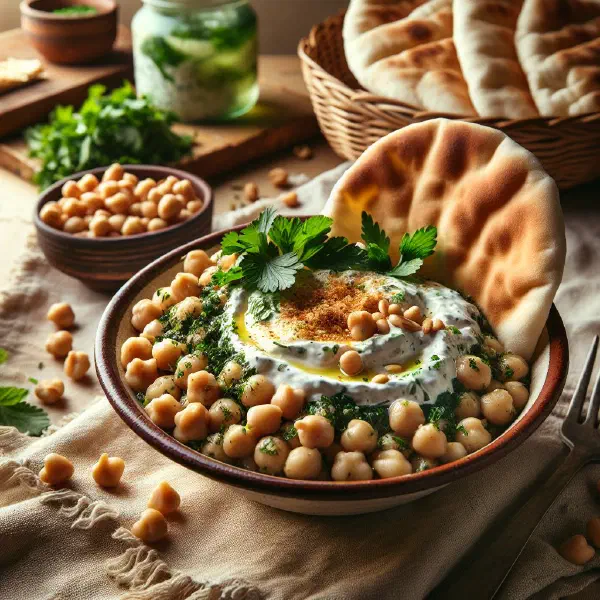
The presentation of Fattet Makdous can be just as important as the taste. Serve the dish in a decorative bowl and garnish it with fresh herbs such as parsley or mint to create a beautiful contrast of colours. Toasted nuts or seeds also make a wonderful addition. Finally, arrange the dish alongside the crisp bread on an attractive serving tray for an inviting, appetising spread.
A bit of history
Fattet Makdous has its origins in Syrian cooking and is closely tied to the country’s cultural identity. The dish has a long history, often associated with family gatherings and festive occasions. In many Syrian households the recipe is passed down from generation to generation, a testament to how important traditions are in Syrian culture. Preparing Fattet Makdous brings the joy of cooking and a sense of togetherness within the family, much like sharing a bowl of creamy Hummus at the start of a meal.
More recipe ideas
- Tabbouleh — a refreshing parsley salad with bulgur
- Kibbeh — spiced bulgur shells with a meat filling
- Falafel — crisp fried chickpea balls with herbs
- Fatteh — the classic layered bread-and-yoghurt dish
Summary: Fattet Makdous
In summary, Fattet Makdous is more than just a dish; it is an expression of hospitality and culture. With its wealth of aromas, hearty filling and creamy yoghurt sauce, it invites you to explore and savour every bite. Let Syrian cooking inspire you and enjoy the rich variety it has to offer.