National Dish Syria: Halawet El Jibn (Recipe)
In this article
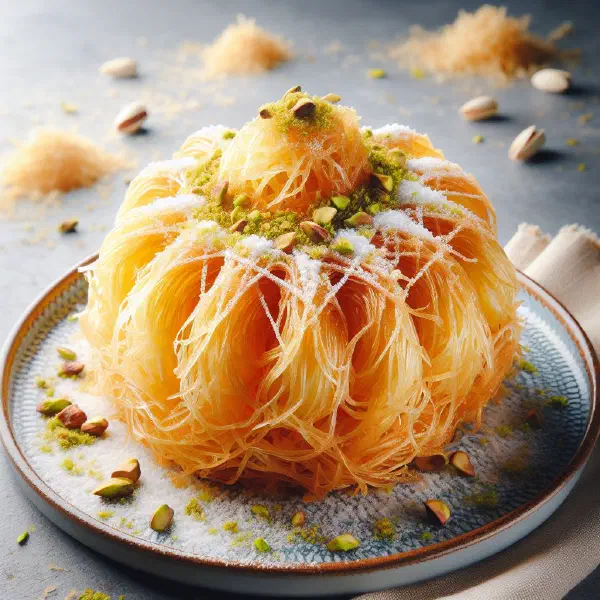
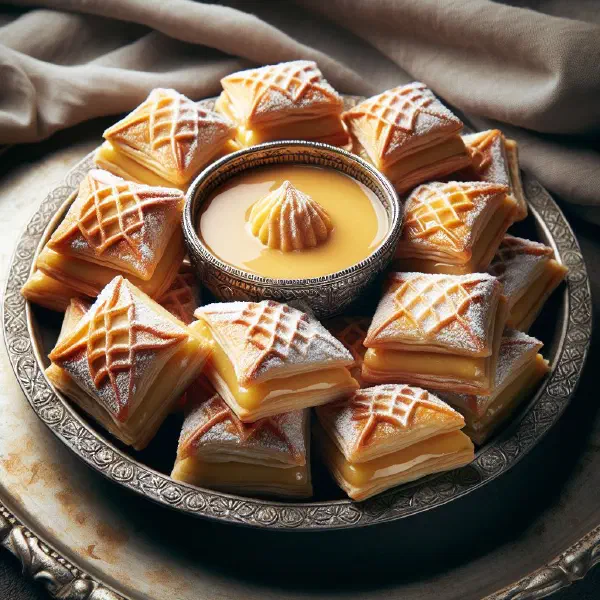
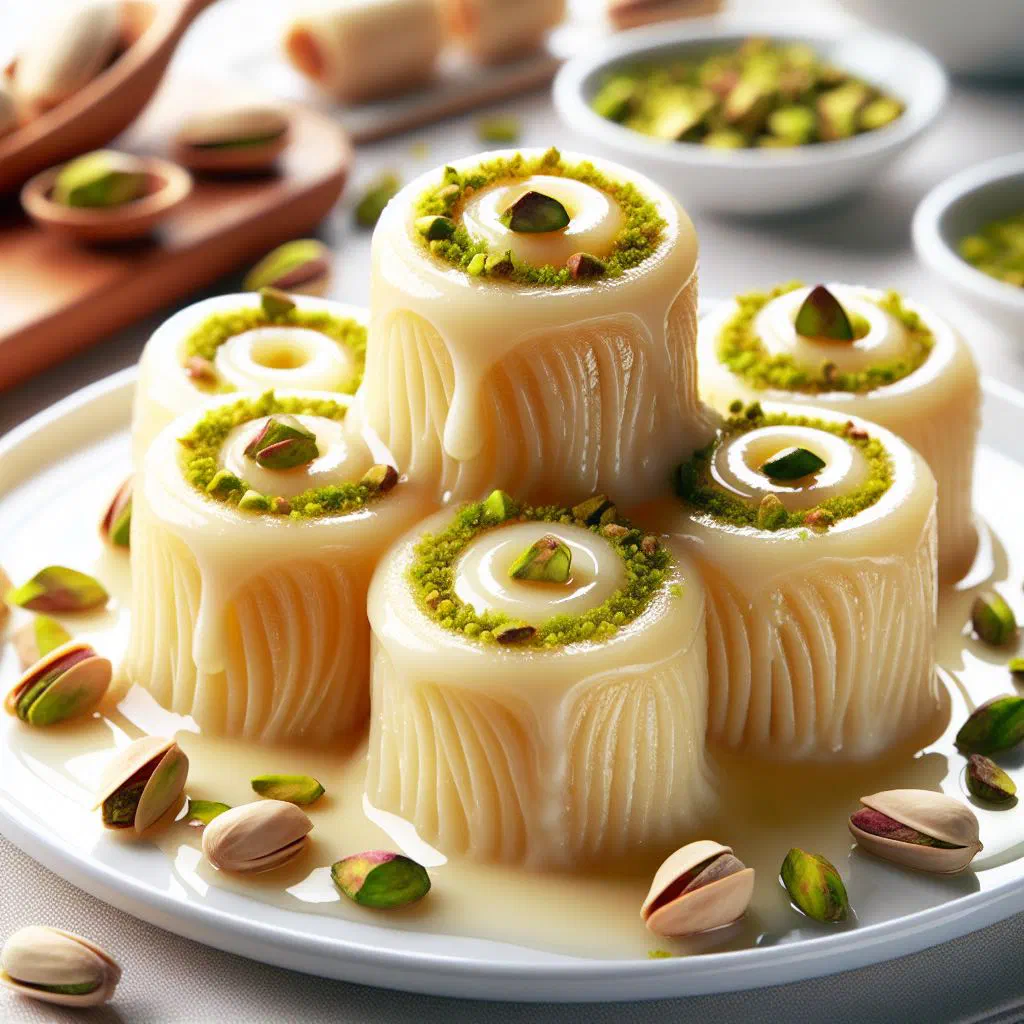
Discover Halawet El Jibn, Syria’s beloved sweet cheese dessert. Delicate rolls of soft cheese and semolina dough are filled with a creamy centre, perfumed with fragrant rose water and finished with a scattering of roasted pistachios. Meltingly tender and very sweet, this Levantine treasure turns any occasion into a celebration, bring a taste of Damascus straight to your own kitchen.
About Halawet El Jibn
Halawet El Jibn is a traditional Syrian dessert that wins hearts with its delicate texture and sweet filling. Often refined with rose water and roasted pistachios, this dessert becomes an absolute highlight on any menu. Perfect for special occasions or simply for indulging, Halawet El Jibn will conquer the heart of every food lover.
Ingredients (serves 1–2)
- 200 g fine cheese (e.g. mozzarella or Akkawi)
- 100 g semolina
- 50 g sugar
- 150 ml water
- 1 teaspoon rose water
- 50 g roasted pistachios
- 1 tablespoon butter (for the filling)
Shopping for the ingredients
When shopping for the ingredients for Halawet El Jibn, it is important to choose fresh, high-quality produce. Fine cheese is the main component and should be fresh to ensure the dessert gets its smooth, supple texture. Semolina is available in most supermarkets, while rose water can be found in Middle Eastern shops or online. The choice of pistachios can also influence the flavour, so it is worth buying them in good quality.
Preparing the dish
Before you start making Halawet El Jibn, good preparation is essential. Make sure all the ingredients are ready to hand and the work surface is clean and organised. It can also help to prepare a suitable dish or tray in which the dessert can set. Many cooks recommend wearing an apron while preparing, to keep the kitchen tidy and make the cooking more enjoyable.
Step-by-step instructions
- Tear the cheese into small pieces and heat it in a saucepan with the water and sugar until it melts.
- Add the semolina and stir well until the mixture thickens.
- Take the mixture off the heat and let it cool slightly.
- Add the rose water and butter and knead the dough well until it is smooth and pliable.
- Roll the dough out on a lightly greased surface and place the filling in the centre.
- Wrap the dough around the filling and cut it into pieces.
- Sprinkle with pistachios and serve.
Gluten-free / lactose-free version
Halawet El Jibn can also be made gluten-free by using gluten-free semolina. Bear in mind that the choice of cheese should also be gluten-free. For a lactose-free version, special lactose-free cheese alternatives can be used. These adaptations make it possible to open the dessert up to a wider audience without losing any of its delicious flavour.
Tips for vegans and vegetarians
If you would like to prepare a vegan version of this dessert, look for plant-based cheese alternatives that can mimic the texture of Halawet El Jibn. Some recipes use coconut milk or cashew cream as a base. Also look out for vegetarian alternatives to semolina-based products. Halawet El Jibn can be a delicious addition to any vegan dessert selection when the right ingredients are used.
More tips and tricks
Success with Halawet El Jibn often comes down to getting the texture right. Make sure the dough is neither too dry nor too moist. A dry dough will not let the aromas shine, while a dough that is too wet makes the dessert heavy. Experiment with the amounts of sugar and rose water to find the perfect flavour balance for your personal taste.
Adapting the recipe to your taste
Every cook has their own preferences, and that applies to Halawet El Jibn too. You can easily adapt the recipe by using different nuts or dried fruits. Walnuts or almonds, for example, offer a different texture and flavour. The sweetness can also be varied to taste by using less sugar or even natural sweeteners instead.
Ingredient substitutions
There are plenty of alternatives you can use in Halawet El Jibn. If you cannot find mozzarella or Akkawi, other soft cheeses such as ricotta or cottage cheese are a good choice. For a different aroma, you could also try a floral water such as orange blossom water to bring a new depth of flavour. Each substitution can steer the dish in a fresh direction and invites you to experiment with the ingredients.
Drink pairing ideas
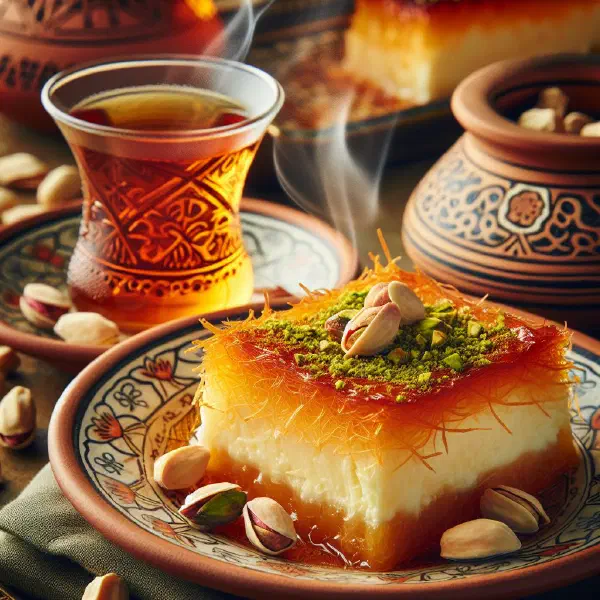
Various drinks make a lovely accompaniment to Halawet El Jibn. A cup of mint tea brings a refreshing note, while a traditional Arabic coffee offers a pleasant contrast to the sweetness of the dessert. Hibiscus tea also provides a floral aroma that pairs beautifully with the flavours of Halawet El Jibn, much as it does with a warm cup of Sahlab on a cool evening.
Serving and presentation ideas
The presentation of Halawet El Jibn can significantly enhance the tasting experience. Think of a decorative serving platter dressed with fine nuts and edible flowers. A splash of rose water over the dessert is visually appealing and heightens the fragrance and allure. Offering small portions in glass dishes makes for an elegant presentation that will amaze your guests.
A bit of history
The origins of Halawet El Jibn go back to the Levant, where sweets are often created from regionally available ingredients. This dessert reflects the love of sweetness and hospitality at the heart of Syrian cuisine. Historically it was served at celebrations and feasts, which underlines the cultural significance and standing of Halawet El Jibn. Many families have their own special variations and recipes, passed down from generation to generation.
More recipe ideas
- Baklava — a sweet filo pastry with nuts, soaked in syrup.
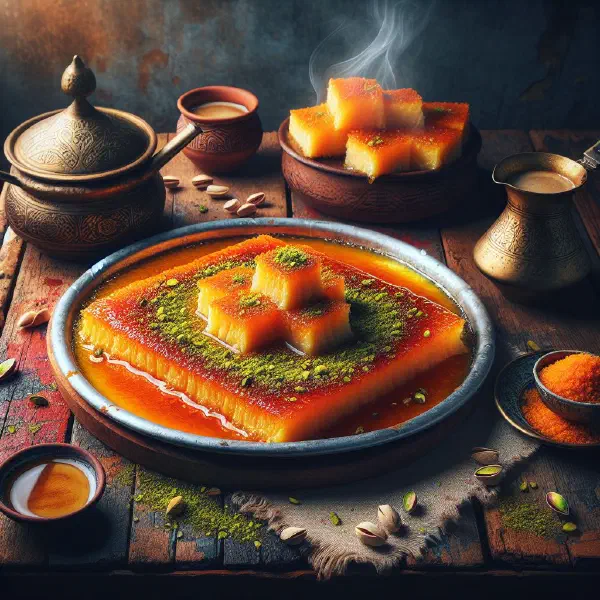
- Knafeh — another delicious dessert of fine pastry and cheese, usually drenched in sugar syrup.
- Maamoul — filled biscuits stuffed with dates, nuts or figs.
- Basbousa — a sweet semolina cake, often garnished with almonds.
- Halawet El Roz — a close cousin made with rice instead of semolina.
Summary: Halawet El Jibn
Halawet El Jibn is a dreamy dessert that pampers the palate with its delicate texture and the sweet aroma of rose water. It is simple to prepare and easy to adapt to different preferences. Whether for festivities or simply for pure enjoyment, Halawet El Jibn remains an essential classic of Syrian cooking that everyone should try. Create memorable moments with this recipe and experience the true joy of culinary artistry.