National Dish Syria: Makloubeh (Recipe)
In this article
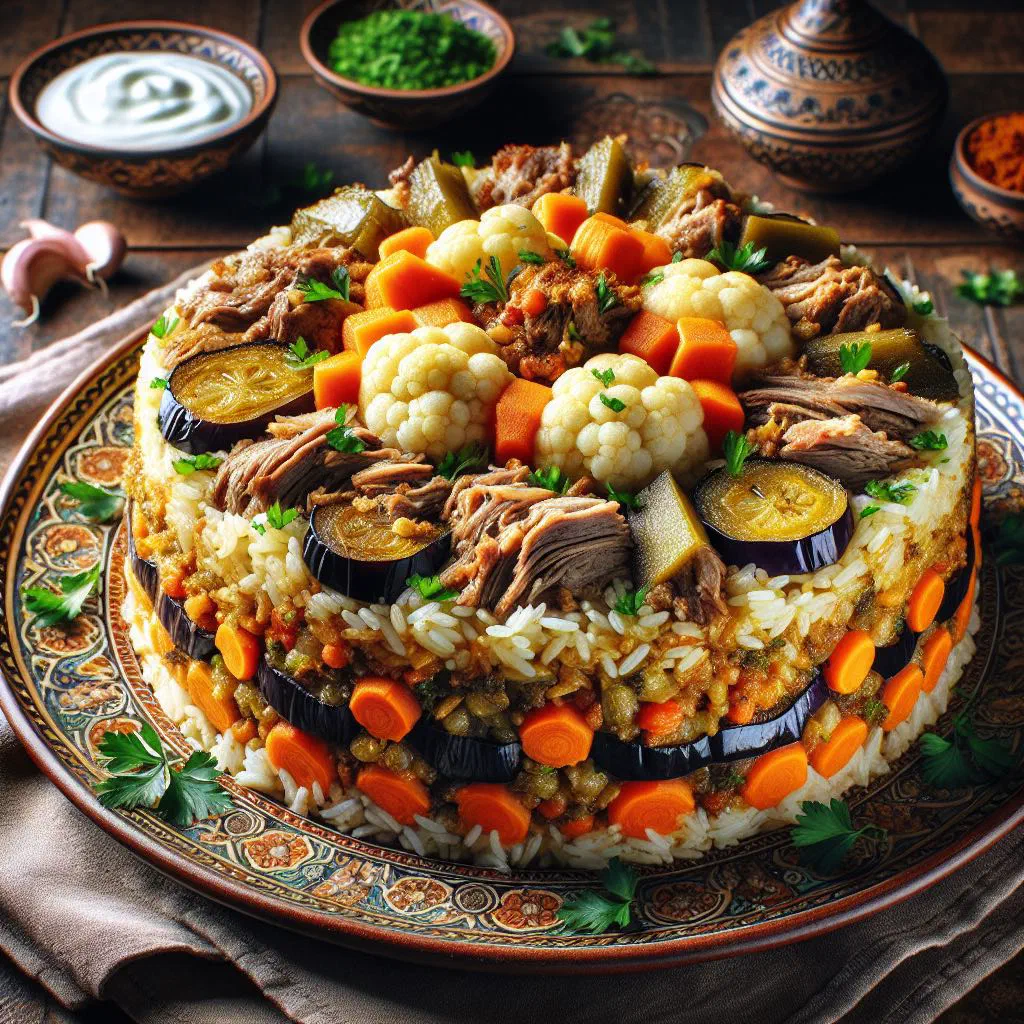
Meet Makloubeh, Syria’s spectacular upside-down rice dish and one of the great showpieces of the Levantine table. Layers of fragrant rice, tender meat and golden vegetables are cooked together in one pot, then flipped onto a platter in a moment of pure kitchen theatre. This recipe walks you through the full dish, from the shopping list and step-by-step method to dietary swaps, drink pairings and a little history, so you can bring a true taste of Syria home.
About Makloubeh
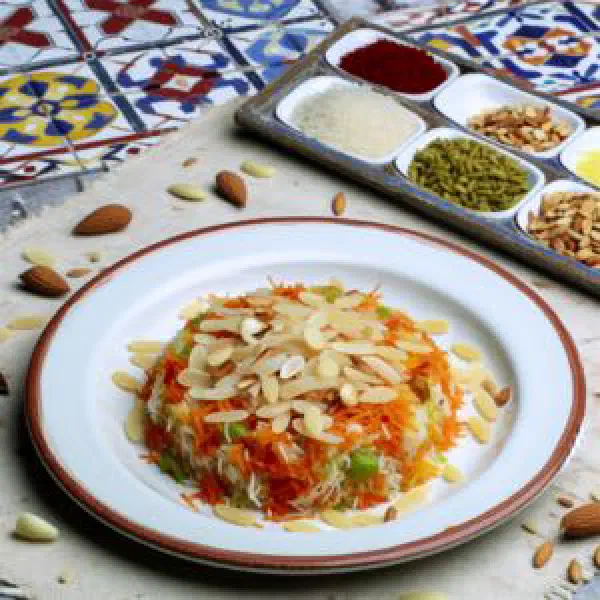
Its layered combination of rice, vegetables and meat appeals to the palate and the eye in equal measure. Bold spices and fresh ingredients come together during cooking to create an enchanting aroma. Most impressive of all is the serving ritual: the pot is turned upside down, revealing the ingredients artfully arranged on the plate.
Ingredients (serves 1–2)
- 200 g basmati rice
- 250 g chicken or lamb
- 1 large onion
- 2 tomatoes
- 1 medium aubergine
- 1 small courgette
- 1 teaspoon cinnamon
- 1 teaspoon cumin
- Salt and pepper to taste
- Olive oil
- Fresh parsley, to garnish
Shopping for the ingredients
When shopping for Makloubeh, it pays to focus on the quality of the ingredients. Fresh vegetables and good meat give the dish its characteristic flavour. Visit local markets or a trusted supermarket to find the best produce. Do not forget to put spices such as cinnamon and cumin on the list, as they shape the aroma more than anything else.
Preparing the dish
Before you start cooking Makloubeh, wash and cut all the ingredients thoroughly. The aubergine can be sliced and sprinkled with a little salt to draw out excess moisture. Cut the meat into small pieces as well. Careful preparation makes the cooking process easier and ensures that everything cooks evenly.
Step-by-step instructions
- Heat a little oil in a large pot and fry the onion until golden brown.
- Add the meat and brown it on all sides.
- Add the diced tomatoes, the aubergine and the courgette, and season everything with salt, pepper and the spices.
- Add the rinsed rice and give it one good stir.
- Pour in enough water to cover the rice. Bring the dish to the boil over high heat, then reduce the temperature and let it simmer gently for about 30 minutes.
- Once cooked, take the pot off the heat and let it rest for about 10 minutes.
- Carefully turn the dish out onto a large platter and garnish with fresh parsley.
Gluten-free / lactose-free version
Makloubeh also works well for anyone with special dietary needs. The recipe is naturally gluten-free, since it relies only on rice, which contains no gluten. And because it is built on fresh vegetables and meat, no dairy products are required, making the dish an easy choice for anyone avoiding lactose. It is still wise to double-check the ingredient list to rule out any hidden allergens.
Tips for vegans and vegetarians
Makloubeh is easy to adapt for vegan and vegetarian diets. Swap the meat for chickpeas or other pulses to create a protein-rich alternative, the same beloved legume behind a classic Hummus. You can also add extra vegetables such as carrots or broccoli to boost the nutritional value. Use vegetable stock instead of meat stock to make the dish even more flavoursome.
More tips and tricks
To intensify the aroma of Makloubeh, add extra spices such as nutmeg or freshly ground black pepper. A squeeze of lemon just before serving gives the dish a refreshing lift. If you enjoy a bit of heat, chilli flakes are an excellent addition. Remember to taste as you cook so you can adjust the flavours to your liking.
Adapting the recipe to your taste
The variations on Makloubeh are almost endless. Use different vegetables or tweak the spices according to personal preference. If you love the taste of nuts, scatter toasted almonds or cashews over the top. Experiment with different cuts of meat, or try a purely vegetable version, much like the meat-free stuffed vine leaves known as Yalanji, to discover new flavours you enjoy.
Ingredient substitutions
If you are looking for substitutions for certain ingredients in Makloubeh, there are plenty of options. Jasmine rice can stand in for basmati, giving a slightly different texture and flavour. Frozen vegetables can replace fresh ones to save time. Just adjust the cooking time accordingly, as frozen vegetables usually cook faster.
Drink pairing ideas
The right drink rounds off a Makloubeh meal beautifully. Classic Arabic drinks such as mint tea or rosewater lemonade provide a refreshing contrast to the hearty dish. A glass of young red wine or white grape juice is another good choice to underline the flavours of the food. Consider adding a little lemon or mint for extra freshness.
Serving and presentation ideas
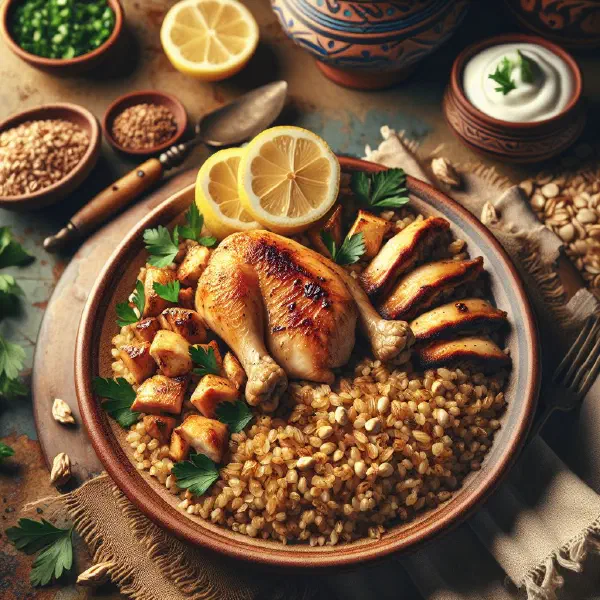
An attractive presentation can lift the whole Makloubeh experience. Serve the dish on a large, flat platter so the layers are on show. Garnished with fresh parsley or toasted nuts, it looks especially inviting. Colourful crockery and a well-laid table bring out the oriental flair even more, a crisp herb salad on the side adds a bright splash of colour too.
A bit of history
The origins of Makloubeh are deeply rooted in Arab culture. The dish is traditionally served at festive occasions and family gatherings, and preparing it is often a communal affair with many hands helping along the way. Makloubeh embodies the rich culinary tradition of Syrian cuisine and the hospitality and shared meals at the heart of family life.
More recipe ideas
Summary: Makloubeh
In short, Makloubeh is a varied and exciting dish that wins people over with its many flavours and textures. Whether as a main course or for a special occasion, it never fails to captivate. The combination of fresh vegetables, tender meat and aromatic rice creates a meal that is as nourishing as it is delicious. If you have never tried Makloubeh, now is the time, let Syrian cooking cast its spell on you.