National Dish Syria: Samboosak (Recipe)
In this article
Step into the delicious world of Syrian cooking with Samboosak, crisp, golden pastry pockets hiding a savoury filling of spiced meat, cheese or vegetables. These moreish little parcels are a fixture at Syrian gatherings, and this recipe walks you through everything from mixing the dough to frying, with easy adaptations for vegan, vegetarian, gluten-free and lactose-free diets along the way.
About Samboosak
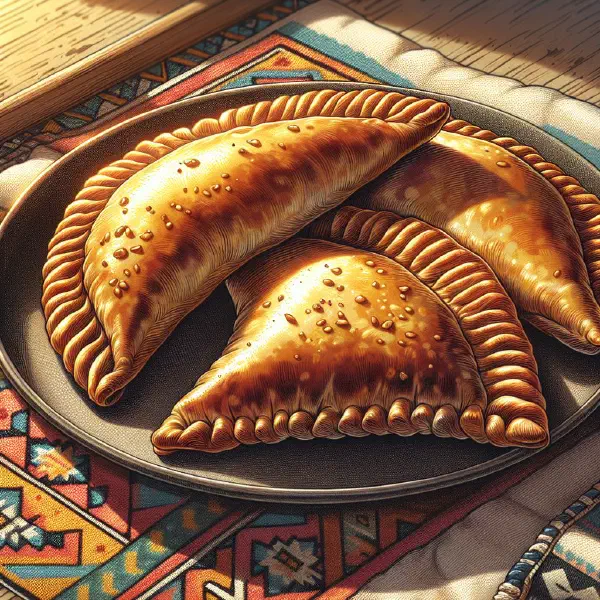
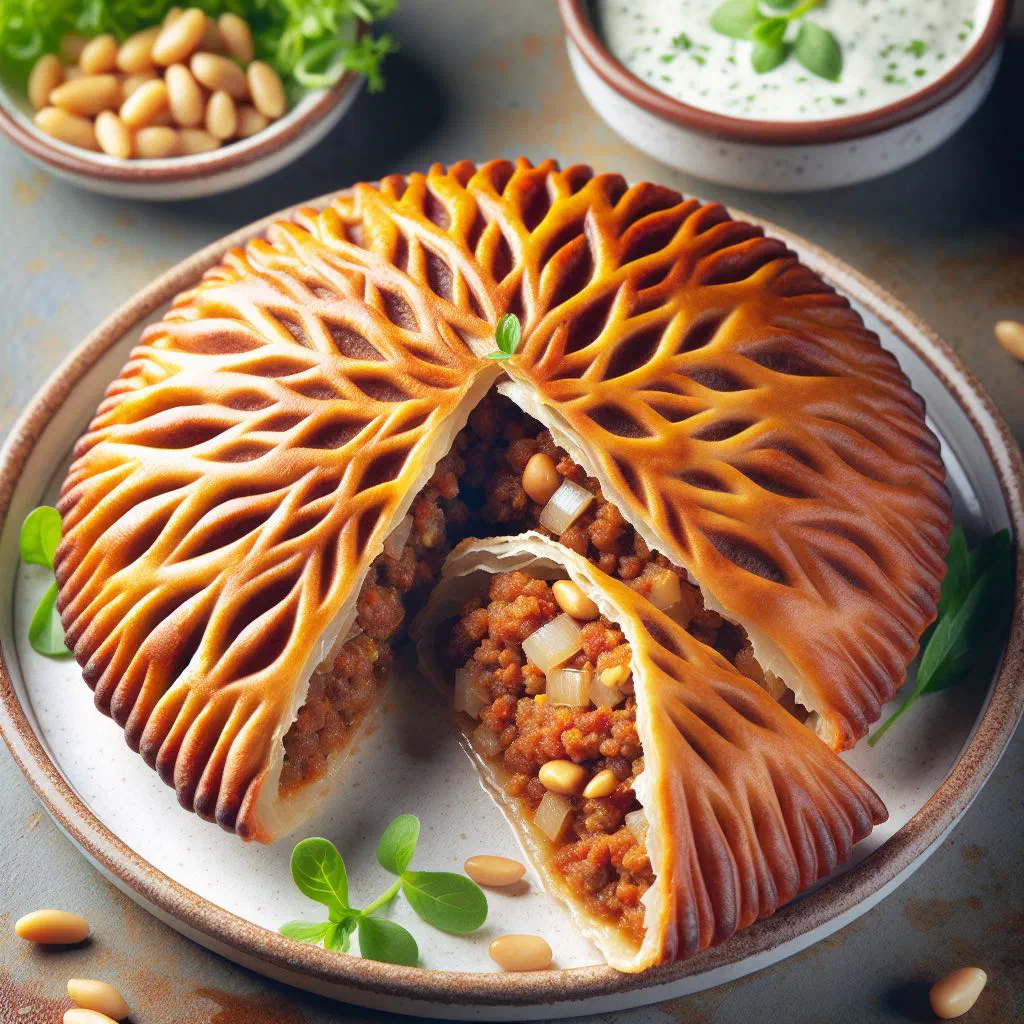
Samboosak is a traditional Syrian dish of crispy pastry pockets filled with a variety of delicious fillings. Its origins lie in Syria’s rich culinary history, where eating is very often a social occasion. In every bite you will taste the aromas of cumin, coriander and other typical spices that are characteristic of Syrian cooking. Samboosak offers a flavour experience that draws you straight into the wonderfully varied world of Syrian cuisine.
Ingredients (serves 1–2)
- 150 g flour
- 50 ml water
- 1 tablespoon olive oil
- 1 teaspoon salt
- 200 g minced meat or a vegan alternative
- 1 small onion, finely chopped
- Spices: cumin, coriander, pepper
- Optional: cheese, vegetables or pulses for the filling
Shopping for the ingredients
To make samboosak you need fresh, good-quality ingredients. The basics, flour, water and olive oil, are easy to find in any well-stocked supermarket. For the filling, buy fresh minced meat or vegetables at a local market. Speciality spices such as cumin and coriander are usually available in Middle Eastern or international grocery shops.
Preparing the dish
Preparation begins with the dough. Mix the flour, salt, water and olive oil until you have a smooth dough, then let it rest for about 30 minutes so the texture can develop properly. In the meantime, prepare the filling: sauté the onion, add the minced meat or vegetables and season everything generously with the spices.
Step-by-step instructions
- Roll the rested dough out thinly on a floured surface.
- Cut out circles using a glass or a pastry cutter.
- Place a spoonful of the prepared filling in the centre of each circle.
- Seal the edges of the pockets well, pressing them together with a fork.
- Deep-fry in hot oil over a medium heat until golden brown.
- Drain the samboosak on kitchen paper and serve warm.
Gluten-free / lactose-free version
If you want to make samboosak gluten-free, use a gluten-free flour blend that handles well. Keep the quantity the same, but be prepared to add a little extra water, as gluten-free flour behaves differently. For a lactose-free version, adapt the filling with lactose-free cheese or keep it entirely plant-based. There are plenty of excellent gluten-free dough recipes that work beautifully for samboosak.
Tips for vegans and vegetarians
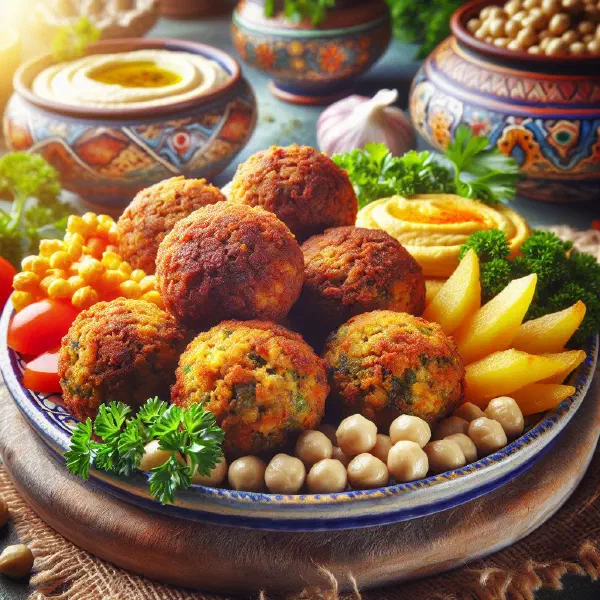
Vegans and vegetarians have plenty of options for adapting samboosak. Instead of minced meat, use fried mushrooms, tofu or a mixture of different vegetables. Pulses are another delicious, protein-rich alternative. Think of the chickpeas that make Falafel so satisfying. Season your filling generously with aromatics to intensify the flavour, and use plant oils for frying or baking.
More tips and tricks
To get the very best out of your samboosak, knead the dough thoroughly. It makes a real difference to the texture. Make sure the oil temperature is right before you add the pastry pockets, so they fry evenly. A good trick is to fry a couple of test pieces first to work out the perfect cooking time. That way every single piece turns out crisp and golden brown.
Adapting the recipe to your taste
Samboosak is easy to personalise. Try different fillings using regional ingredients or seasonal vegetables. If you like it spicier, add more chilli or pepper; for a milder version, stick to the classic aromas. Be creative and combine different fillings, much as Syrian cooks do with Fatayer, to create your own personal favourite.
Ingredient substitutions
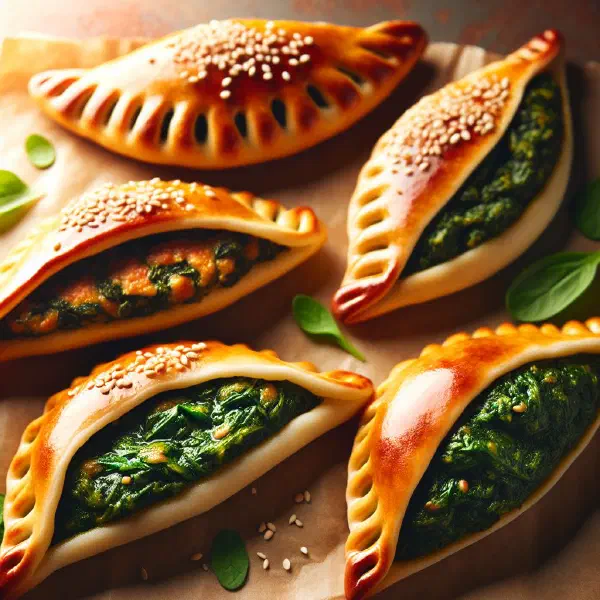
If you do not have specific ingredients to hand, do not be afraid to substitute. A plant-based meat alternative can stand in for minced meat, for instance. Instead of olive oil you can use other oils such as sunflower oil, the important thing is that the oil can take high heat. As for fillings, let your imagination run free: potatoes or spinach make a delicious combination too.
Drink pairing ideas
A range of drinks rounds off the samboosak experience nicely. A refreshing mint tea is a superb match and complements the flavours of the filling. For a festive occasion, serve pomegranate juice, which pairs perfectly with the crisp pastry. If you prefer something alcoholic, a light white wine is an option that supports the many flavours hidden in this dish.
Serving and presentation ideas
Presentation can make all the difference to the eating experience. Arrange the crisp pastry pockets attractively on a large platter and garnish them with fresh herbs such as parsley or mint. Serve a selection of dips alongside, yoghurt sauces or spicy dips, for variety, perhaps with a fresh Tabbouleh on the side. Dividing the pockets into small individual portions so every guest gets their own is a nice touch too.
A bit of history
The history of samboosak is as rich as its flavour. The dish has its origins in the Middle East and is closely bound up with Arab culture. It is thought that samboosak was inspired by nomadic peoples who needed simple food that could be enjoyed on the move. Over time the recipe evolved and diversified, with each country developing its own special fillings and preparation methods, much like its cousin Kibbeh.
More recipe ideas
Summary: Samboosak
In summary, samboosak is an incomparable dish that has won the hearts not only of lovers of Syrian food but of many other cultures too. It offers countless possibilities for adaptation, so everyone can shape it to their own taste. These crisp pastry pockets never fail to impress. Try it yourself and discover the delicious world of Syrian cooking.