National Dish Syria: Sfiha (Recipe)
In this article
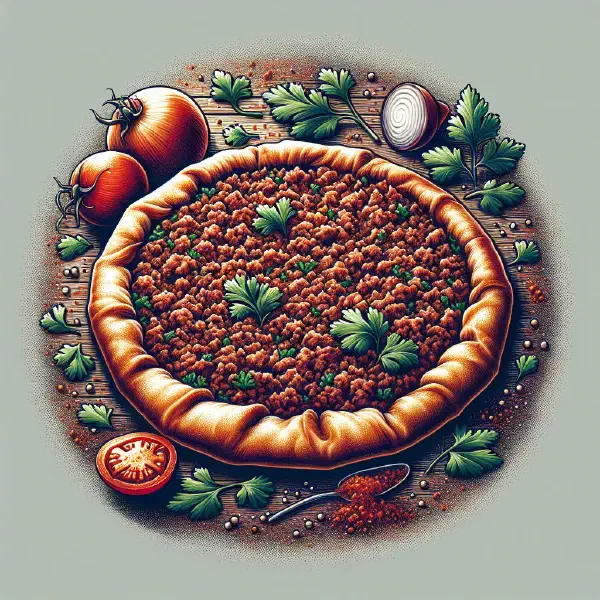
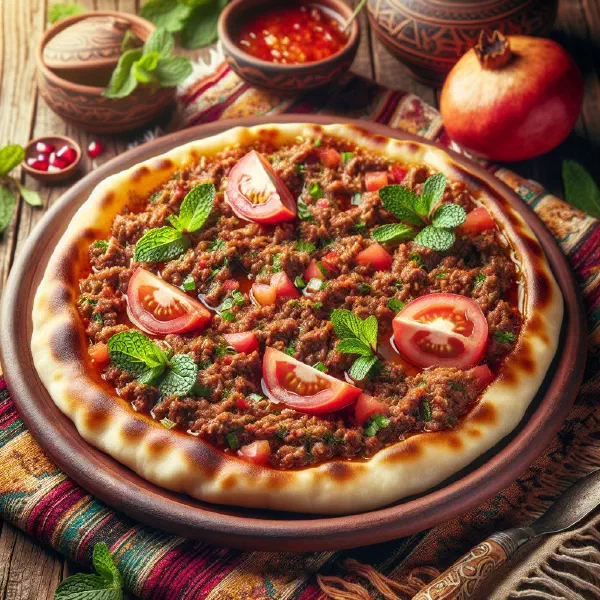
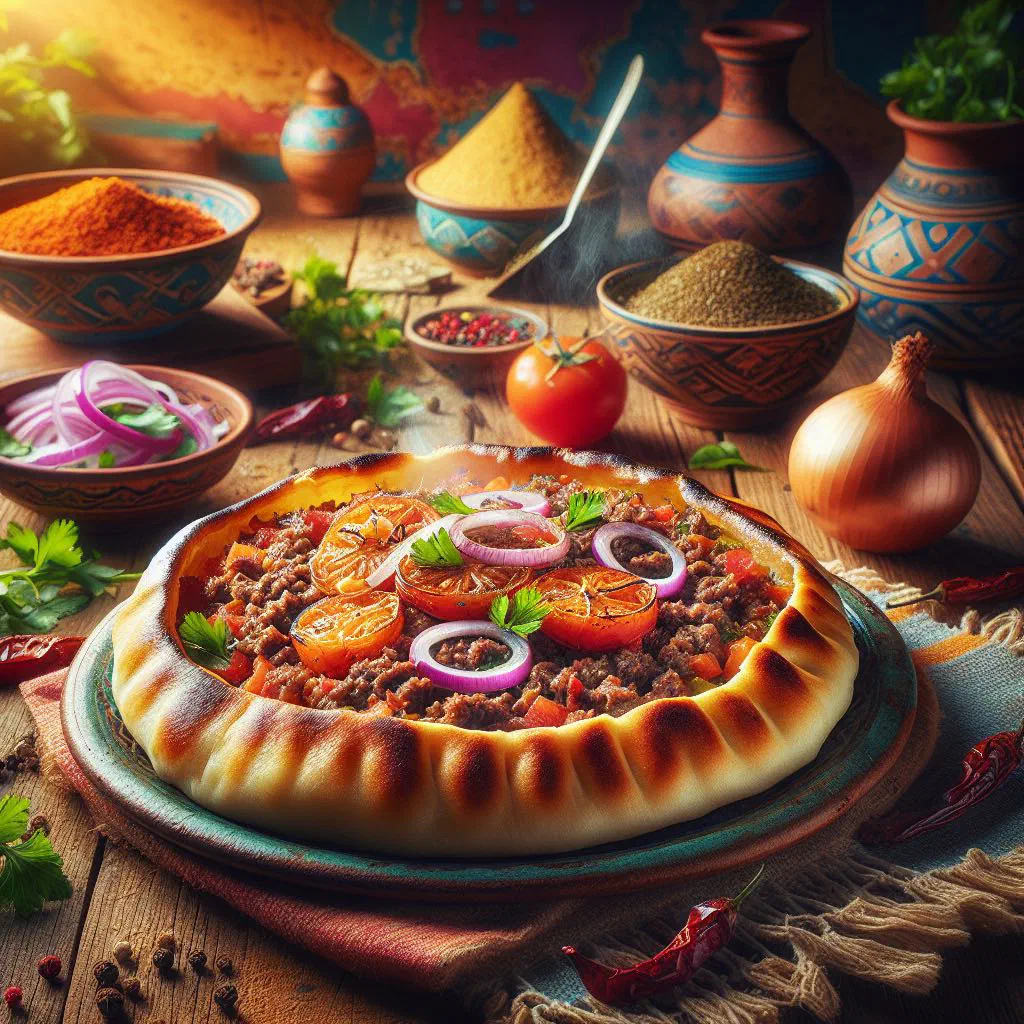
Meet Sfiha, Syria’s answer to pizza, golden rounds of yeast dough crowned with a fragrant topping of spiced minced meat, onion and tomato. Often called Arab pizza, these little flatbreads are eaten everywhere from busy street stalls to family tables, and they are surprisingly simple to bake at home. One batch in the oven and your kitchen will smell very of the Levant.
About Sfiha
Sfiha, also known as Arab pizza, is a dish steeped in tradition that has its origins in Syria. These delicious topped rounds of dough are commonly served as a snack or a main course, and the sheer variety of fillings and spices has made sfiha a favourite across many Arab countries. Much like its close cousin Lahm Bi Ajeen, it pairs a crisp base with a deeply aromatic meat topping, an unbeatable combination that brings a touch of the Orient into any kitchen.
Ingredients (serves 1–2)
- 250 g minced meat (beef or lamb)
- 1 onion, finely diced
- 2 tomatoes, diced
- 1 tsp paprika
- 1 tsp cumin
- 1 pinch of salt and pepper
- 300 g flour
- 125 ml water
- 1 tsp yeast
- 1 tbsp oil
Shopping for the ingredients
When shopping for sfiha, pay close attention to the quality of the ingredients. Fresh minced meat is crucial for the flavour and texture of the topping, and local markets often offer high-quality, freshly minced meat. The vegetables, above all the tomatoes and onions, should be fresh and ripe too, so the aromas come through at their fullest.
Preparing the dish
The preparation of sfiha begins with the dough. First, put the flour in a bowl and work the yeast in thoroughly. Once the water and oil have been added, knead the dough until it is smooth and elastic. After kneading, let the dough rest in a warm place until it has risen. This step is essential for the right texture.
Step-by-step instructions
- In a frying pan, brown the minced meat together with the onions until the onions turn translucent.
- Add the diced tomatoes and the spices, then let the mixture simmer for a few minutes until well combined.
- Roll out the risen dough thinly on a floured work surface and cut out circles roughly 10 cm across.
- Place a spoonful of the meat mixture on each round of dough and press the edges together firmly.
- Arrange the sfiha on a baking tray lined with baking paper and bake in a preheated oven at 200°C for about 15–20 minutes.
Gluten-free / lactose-free version
For a gluten-free version, the flour can simply be replaced with a gluten-free blend. Many supermarkets stock special gluten-free flours that work very well here. Lactose-free alternatives are equally straightforward, as long as you reach for lactose-free products. The topping itself stays exactly the same and still delivers an authentic taste of Syria.
Tips for vegans and vegetarians
Vegans and vegetarians can swap the minced meat for plant-based alternatives such as soya mince or hearty green vegetables. A mixture of spinach, feta and herbs also makes an excellent filling, very much in the spirit of a good Fatayer. Season these alternatives with the same spices to keep the traditional character, and add fresh herbs such as parsley or mint for an extra layer of aroma.
More tips and tricks
To make your sfiha especially crisp, roll the dough out as thinly as you can. A slightly hotter oven can also help you achieve the ideal texture. Experiment with different spices and herbs in the topping to develop your own signature flavour. A side of cool yoghurt or a fresh salad such as Tabbouleh rounds the dish off beautifully.
Adapting the recipe to your taste
The sfiha recipe is wonderfully adaptable. Vary the topping to suit your own palate, grilled vegetables or different cuts of meat both work well. You can also adjust the spices to taste, or add an extra kick of heat if you like things fiery. With a little creativity you can create your very own version of sfiha, tailored perfectly to your taste buds.
Ingredient substitutions
If you have no yeast to hand, baking powder makes a workable alternative and produces a similar effect. The minced meat can be replaced with chicken or turkey for a lighter take on sfiha. Instead of fresh tomatoes, ajvar or tomato purée can be used to make the topping even richer. Substitutions like these enrich the dish and adapt it to different tastes.
Drink pairing ideas
A range of drinks pairs well with sfiha, depending on your preference. A classic, refreshing mint tea is ideal for complementing the aromas of the dish. Lightly sparkling mineral water or an Arabic-style lemonade also makes a refreshing accompaniment. For an evening occasion, a mellow red wine such as a Merlot harmonises nicely.
Serving and presentation ideas
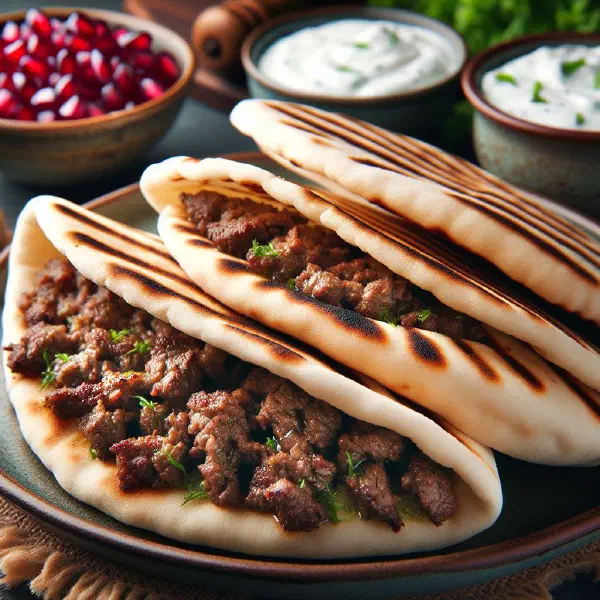
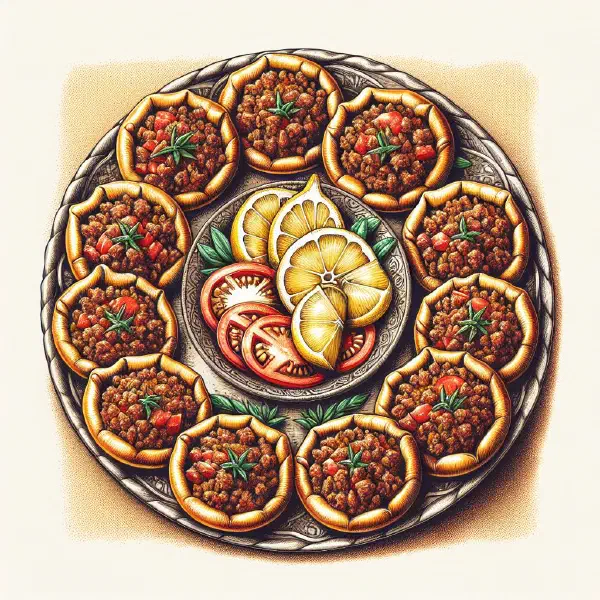
Presentation can make a big difference to the overall impression of the dish. Serve the sfiha on a large platter, garnished with fresh herbs such as mint or parsley. A bowl of ice-cold yoghurt or a dip alongside makes the dish even more inviting. A few lemon wedges improve the look and intensify the flavour.
A bit of history
Sfiha has a long history stretching back to antiquity. Originally widespread across the eastern Mediterranean, each region went on to develop its own variation of this much-loved dish. In Syria, sfiha is often prepared with different toppings and spice mixes, making it a fascinating part of the country’s culinary culture and of Syrian cuisine as a whole. Its popularity has spread to many other countries, and today it is a favourite street food and family meal alike.
More recipe ideas
- Sambousek — crisp filled pastries with cheese or spinach.
- Manakish — Levantine flatbreads with za’atar or cheese.
- Kibbeh — spiced bulgur and minced meat croquettes.
- Falafel — deep-fried chickpea fritters.
Summary: Sfiha
In summary, sfiha is a versatile, aromatic dish that is remarkably easy to prepare. It unites the tradition of Syrian cooking with modern techniques and adaptations for a range of diets. Give this dish a try and enjoy the flavours of the Orient in your own home.