National Dish Taiwan: Golden Kimchi (Recipe)
In this article
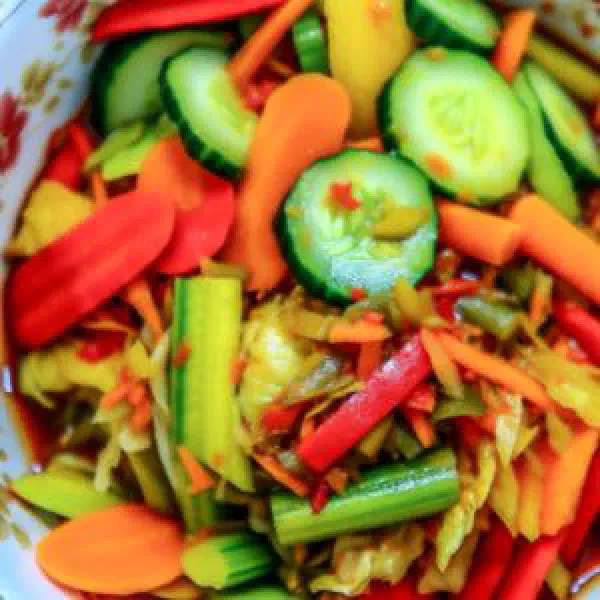
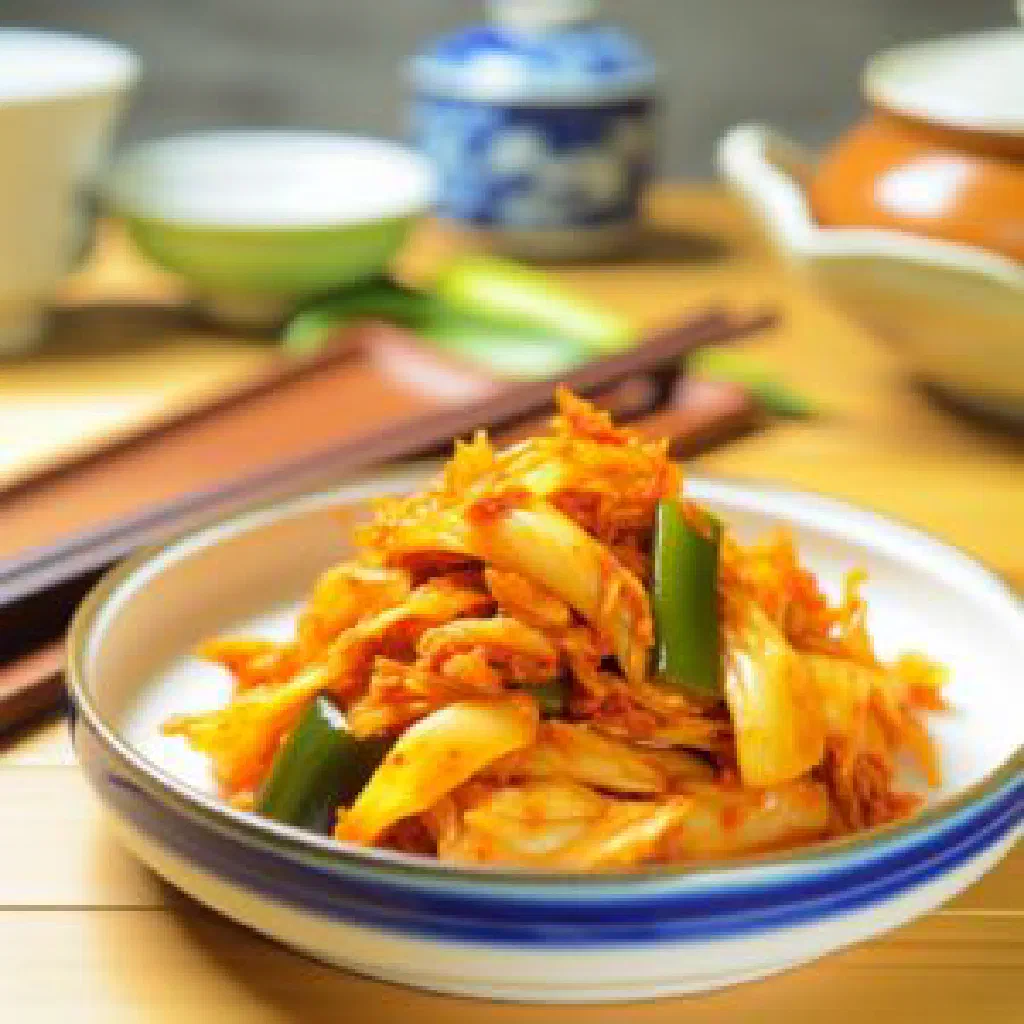
Meet Golden Kimchi, a bright and lively take on the classic fermented staple that has found a home in Taiwan. Crisp seasonal vegetables mingle with a fragrant blend of garlic, ginger and chilli to create a side dish that is at once refreshing, tangy and deeply savoury. Easy to make and packed with goodness, it is the perfect way to bring a splash of colour and plenty of flavour to your table.
About Golden Kimchi
Golden Kimchi is a distinctive variation on the traditional Korean kimchi that has taken on a life of its own in Taiwan. What sets it apart is its glowing colour and the range of flavours that come together in such harmony. Fresh vegetables are combined with a unique blend of spices that lends the dish a very good depth. Ideal as a snack or a side dish, Golden Kimchi offers a delicious pick-me-up while being rich in nutrients at the same time.
Ingredients (serves 1–2)
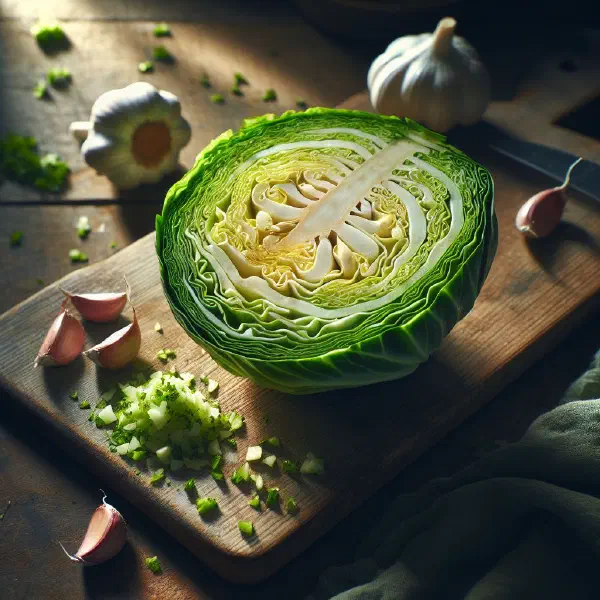
- 1/2 head of chinese cabbage (napa cabbage)
- 1 carrot, grated
- 1/2 daikon radish, cut into batons
- 2–3 spring onions, finely chopped
- 2–3 garlic cloves, crushed
- 2–3 cm fresh ginger, grated
- 2 tablespoons fish sauce, or soy sauce for the vegan version
- 1–2 tablespoons Korean chilli powder
- 1 teaspoon sugar
- Salt to taste
- 1–2 tablespoons rice vinegar, to finish
Shopping for the ingredients
To make Golden Kimchi, it is well worth sourcing good-quality ingredients, as fresh vegetables play a decisive role in the success of the dish. When shopping, make sure the chinese cabbage is crisp and free of brown spots. The spices should be fresh too, so you can draw out their full aroma. A trip to an Asian grocery can help you track down the very best ingredients for your Golden Kimchi.
Preparing the dish
Preparing Golden Kimchi is straightforward, but it does take a little time for the flavours to develop properly. First, cut the chinese cabbage into small pieces and sprinkle it with salt so it releases some of its water. This is an important step for improving the texture of the kimchi. While the cabbage sits, you can get the remaining vegetables and spices ready. This keeps everything running smoothly and lets you focus on balancing the flavours.
Step-by-step instructions
- Wash the chinese cabbage, cut it into bite-sized pieces and toss with salt. Leave to sit for 30 minutes.
- Prepare the remaining vegetables (carrot, daikon radish, spring onions) and set them aside.
- In a bowl, mix the spices (garlic, ginger, fish sauce, chilli powder, sugar) together well.
- Rinse the cabbage, squeeze out the excess water thoroughly, then add it to a large bowl along with the other vegetables.
- Pour the spice mixture over the vegetables and knead everything together until the vegetables are fully coated.
- Pack into an airtight jar and leave to ferment in the fridge for at least 24 hours.
Gluten-free / lactose-free version
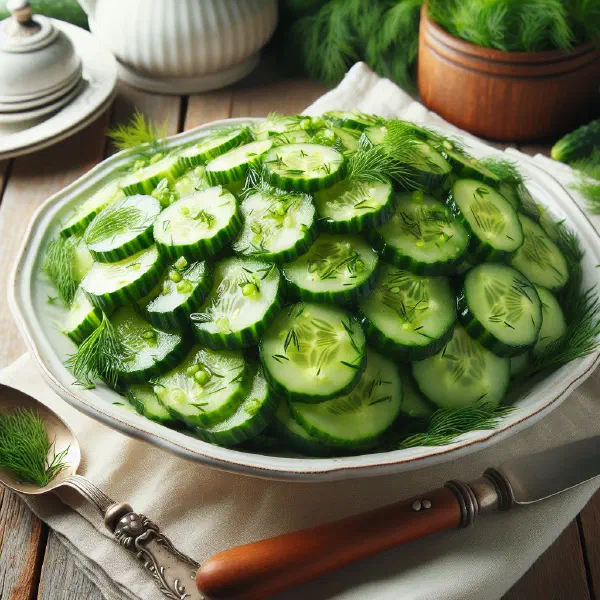
Golden Kimchi can be made gluten-free and lactose-free with ease by swapping the fish sauce for a gluten-free soy sauce or tamari. This makes the dish suitable for anyone with allergies or intolerances. It is already ideal for those who are lactose intolerant, since no dairy products are used. This version lets everyone enjoy the delicious taste of Golden Kimchi. If you like light, refreshing sides of this kind, the crisp Cucumber Salad is another naturally dairy-free option.
Tips for vegans and vegetarians
For vegans and vegetarians there are plenty of ways to create Golden Kimchi without any animal products. Instead of fish sauce you can use soy sauce, miso or even seaweed extract to add that salty note. The combination of fresh vegetables and savoury spices gives a richly flavoured experience that works perfectly well without animal ingredients. With a little creativity, vegans and vegetarians can enjoy delicious vegan Golden Kimchi just as much, much like the meat-free Braised Tofu with Mushrooms.
More tips and tricks
You can add an extra flavour kick by varying the types of vegetables you use in the preparation. You can also play with the heat, adding more or less chilli powder to suit your taste. Another option is to add fresh herbs or spices to personalise the kimchi even further. Do not forget to taste the kimchi regularly to reach the level of fermentation you are after. Experiment to find your perfect blend.
Adapting the recipe to your taste
The lovely thing about Golden Kimchi is that it adapts perfectly to personal preference. If, for example, you do not care for certain vegetables or cannot tolerate them, they can easily be swapped for alternatives. The spices, too, can be varied to taste, making sure the kimchi suits your own palate.
Ingredient substitutions
If some of the ingredients are not available to you, or they do not fit your diet, alternatives are easy to find. For instance, the daikon radish can be replaced with cucumber, which adds a refreshing note. When it comes to chilli powder, milder varieties can be chosen to make the dish less spicy. The versatility of Golden Kimchi makes it easy to tailor the recipe to individual needs. Fermented cabbage of this sort also pairs beautifully with rice dishes such as Taiwanese Cabbage Rice.
Drink pairing ideas
Golden Kimchi pairs wonderfully with a range of drinks that complement its flavours. A dark Asian beer or a refreshing green tea are excellent companions that also help to balance the heat of the kimchi. For wine lovers, a crisp Riesling is a good choice, rounding out the flavours in a special way. Experiment and find the perfect drink to complete your Golden Kimchi experience, a tart Sour Plum Juice is a refreshing non-alcoholic option too.
Serving and presentation ideas
An appealing presentation of Golden Kimchi can enrich the whole dining experience. Use colourful crockery to bring out the bright colour of the kimchi. A handsome terracotta or ceramic vessel is ideal for underlining the homemade style. Extra small bowls for accompaniments or further complementary dishes can round out the overall picture. Do not forget to work in fresh herbs or sesame seeds as a garnish, giving your guests a highlight not just in flavour but in appearance too.
A bit of history
Golden Kimchi has an interesting history, one closely woven into Taiwanese culture. The origins of kimchi lie in Korea, where the fermentation of vegetables has a long tradition. The Taiwanese version, however, has a character all its own, marked by the use of local ingredients and spices. This distinctiveness makes Golden Kimchi a fascinating example of culinary exchange and creative adaptation within Taiwanese cuisine.
More recipe ideas
- Cabbage with Garlic
- Fried Tofu with Pickled Cabbage
- Cucumber Salad
- Daikon Radish Cake
- Eggplant with Garlic Sauce
Summary: Golden Kimchi
In short, Golden Kimchi is a true taste experience that makes an impression both as a side dish and as a snack. The combination of fresh vegetables and delicious spices offers a wonderful way to discover new flavours of Taiwanese cooking. With easily adaptable ingredients and methods of preparation, Golden Kimchi is suited to anyone who loves Asian cuisine. Give the recipe a try and see for yourself just how simple and tasty it is to make this special variation on kimchi.