National Dish Taiwan: Tea Egg (Recipe)
In this article
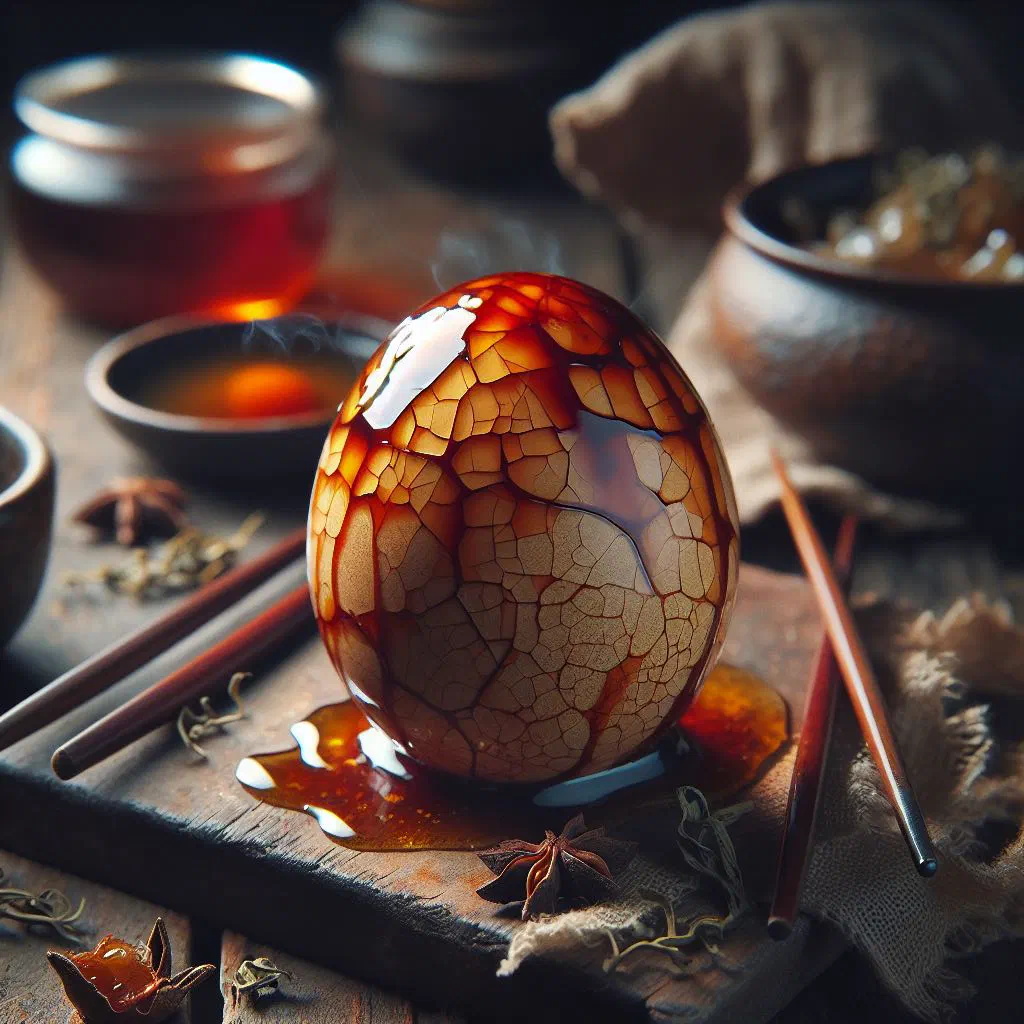
Discover the Tea Egg, one of Taiwan’s most beloved everyday treats. Tender eggs are gently steeped in a fragrant marinade of black tea and soy sauce, taking on a beautiful marbled shell and a savoury, deeply aromatic flavour. Sold from steaming pots at convenience stores and night-market stalls right across the island, these eggs make a moreish snack or an easy side dish. Bring a little of that unmistakable Taiwanese aroma straight into your own kitchen.
About Tea Egg
The Tea Egg is a traditional Taiwanese dish that has grown steadily in popularity, not only across Asia but around the world. The pairing of marinated eggs with the aromatic warmth of black tea and soy sauce creates a truly distinctive taste. Often served as a snack or a side, these eggs are a genuine part of Taiwanese culture. Making tea eggs is a simple yet fascinating process, giving every home cook the chance to expand their skills in the world of Asian cuisine.
Ingredients (serves 1–2)
- 4 eggs
- 2 cups brewed black tea (such as Assam or Earl Grey)
- 4 tablespoons soy sauce
- 1 tablespoon dark cane sugar
- 1 teaspoon five-spice powder
- 1 cinnamon stick
- Water (as needed)
Shopping for the ingredients
When shopping for tea eggs, it is worth paying attention to the quality of the eggs. Fresh, organic eggs not only taste better but are also better for you. Head to your nearest supermarket or health-food shop to find fresh produce. For the tea, a specialist Asian grocery will often offer a wide selection, helping you get the very best aromas into your dish.
Preparing the dish
To get the best out of your tea eggs, begin by boiling the eggs. Place them in a pan of cold water and bring it to the boil. As soon as the water is bubbling, lower the heat and let the eggs simmer for around 6 to 7 minutes so the yolks cook to just the right point. Once done, transfer the eggs to an ice bath to stop the cooking and make them easier to peel.
Step-by-step instructions
- After boiling, place the eggs in an ice bath and let them cool.
- Gently tap the cooled eggs with the back of a spoon to crack the shells all over.
- In a pan, combine the black tea, soy sauce, sugar, five-spice powder and cinnamon stick.
- Bring the prepared marinade to the boil, then lower the heat.
- Lay the eggs into the marinade and let the mixture steep for at least 4 hours, or overnight.
- Once the steeping time is up, lift the eggs from the liquid, peel and serve.
Gluten-free / lactose-free version
Making tea eggs suitable for gluten-free and lactose-free diets is straightforward. Simply use a gluten-free soy sauce, which is often made from rice or other gluten-free ingredients. The remaining ingredients are naturally gluten-free anyway. Since the eggs themselves are lactose-free, you can enjoy the recipe with complete peace of mind, even if you are lactose intolerant.
Tips for vegans and vegetarians
A traditional tea egg obviously cannot be made without eggs, but there are creative alternatives. One option is to steep plant-based alternatives such as tofu in the marinade, firm tofu soaks up the flavours beautifully and offers a similar bite, much like in Braised Tofu with Mushrooms. Another idea is to build the marinade on a vegetable stock to keep the whole thing plant-based while echoing the classic preparation.
More tips and tricks
To intensify the flavour of your tea eggs, experiment with different teas or spices. Some cooks add ginger or chilli for an extra kick of heat. Make sure the eggs stay in the marinade long enough to take on the fullest flavour. A good rule of thumb is to leave them overnight, which improves the taste profile considerably.
Adapting the recipe to your taste
Everyone has different tastes and preferences, and that is part of the joy of making tea eggs. Feel free to adjust the amount of sugar or soy sauce to suit yourself. If you like things a little sweeter, add more sugar or try honey as an alternative. For a saltier note, stir in an extra tablespoon or two of soy sauce, or a little more five-spice powder.
Ingredient substitutions
If you cannot find certain ingredients, or simply have your own preferences, there are plenty of alternatives for the ingredients in tea eggs. In place of black tea you could use green tea, which lends the dish a different flavour direction. The soy sauce can be swapped for tamari to keep the recipe gluten-free. The sugar, meanwhile, can be replaced with agave syrup or stevia for a healthier option.
Drink pairing ideas
When it comes to choosing a drink to go with tea eggs, the options are wonderfully varied. A good glass of Taiwanese oolong tea makes an excellent companion, as it complements the flavours of the dish, a Tieguanyin Tea is a lovely choice here. Alternatively, a light Asian beer or even a dry white wine such as a Riesling can make an interesting pairing. For an alcohol-free option, try plain sparkling water with a slice of lemon.
Serving and presentation ideas
Presentation is an important part of the meal, and that holds true for tea eggs too. Serve them on an attractive plate, perhaps with a garnish of fresh coriander or spring onions. Arranging the eggs in a bowl with a little of the marinade can also look inviting. Consider finishing them with a scattering of sesame seeds or a drizzle of chilli oil to bring extra colour and flavour.
A bit of history
The tea egg has its origins in Taiwanese cuisine, where it is often served as a snack or street food. Historically, the eggs were valued by rice farmers as a nourishing, easily portable meal. Making and enjoying tea eggs is firmly rooted in Taiwanese cuisine, and there are many regional variations using different teas and spices, a reflection of the variety and richness of the island’s cooking, seen also in the salt-cured Iron Egg.
More recipe ideas
Summary: Tea Egg
The tea egg is a delicious Taiwanese dish and an exciting way to explore Asian cooking. The combination of tender egg with an aromatic marinade delivers a wonderful taste experience. Whether as a snack or a side to a main course, tea eggs are easy to make at home and simple to adapt to your own preferences. Use the tips and suggestions above to create your own version of tea eggs and discover the fascinating world of Asian aromas.